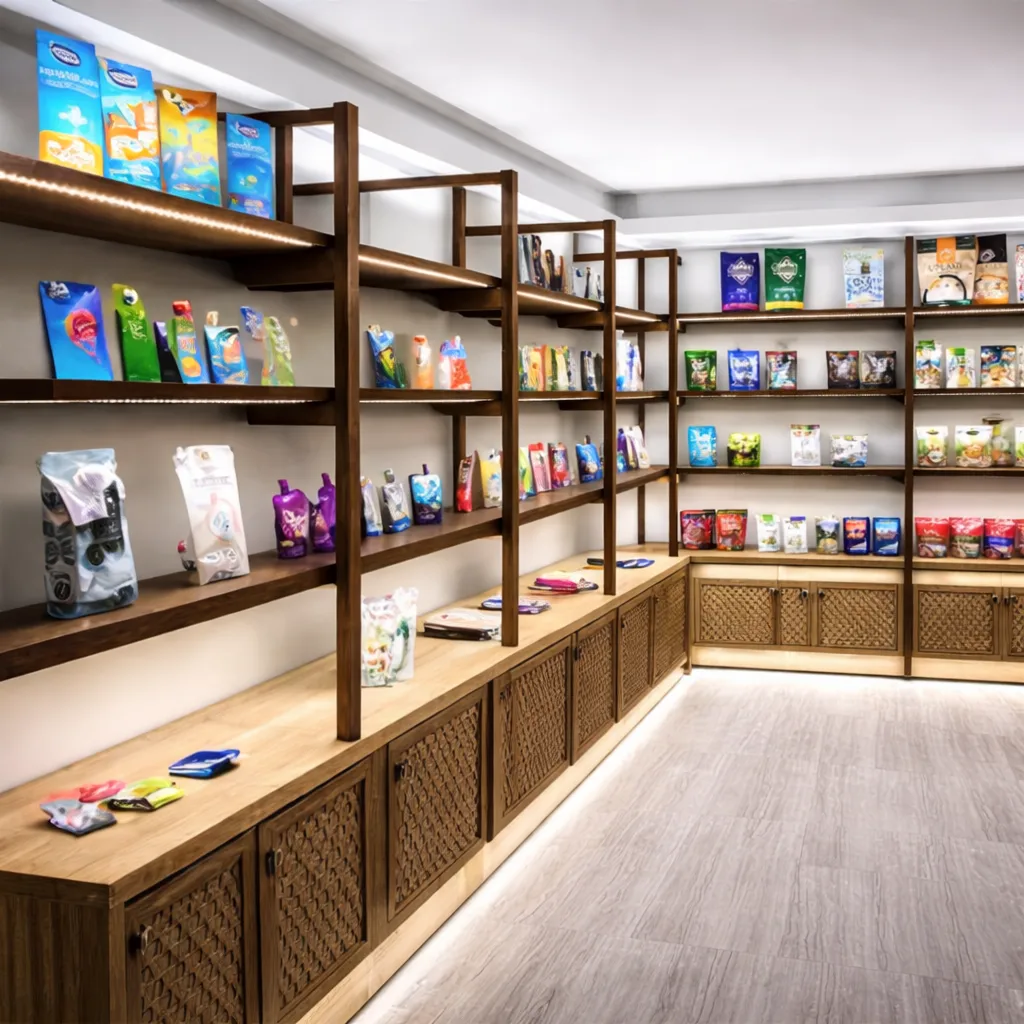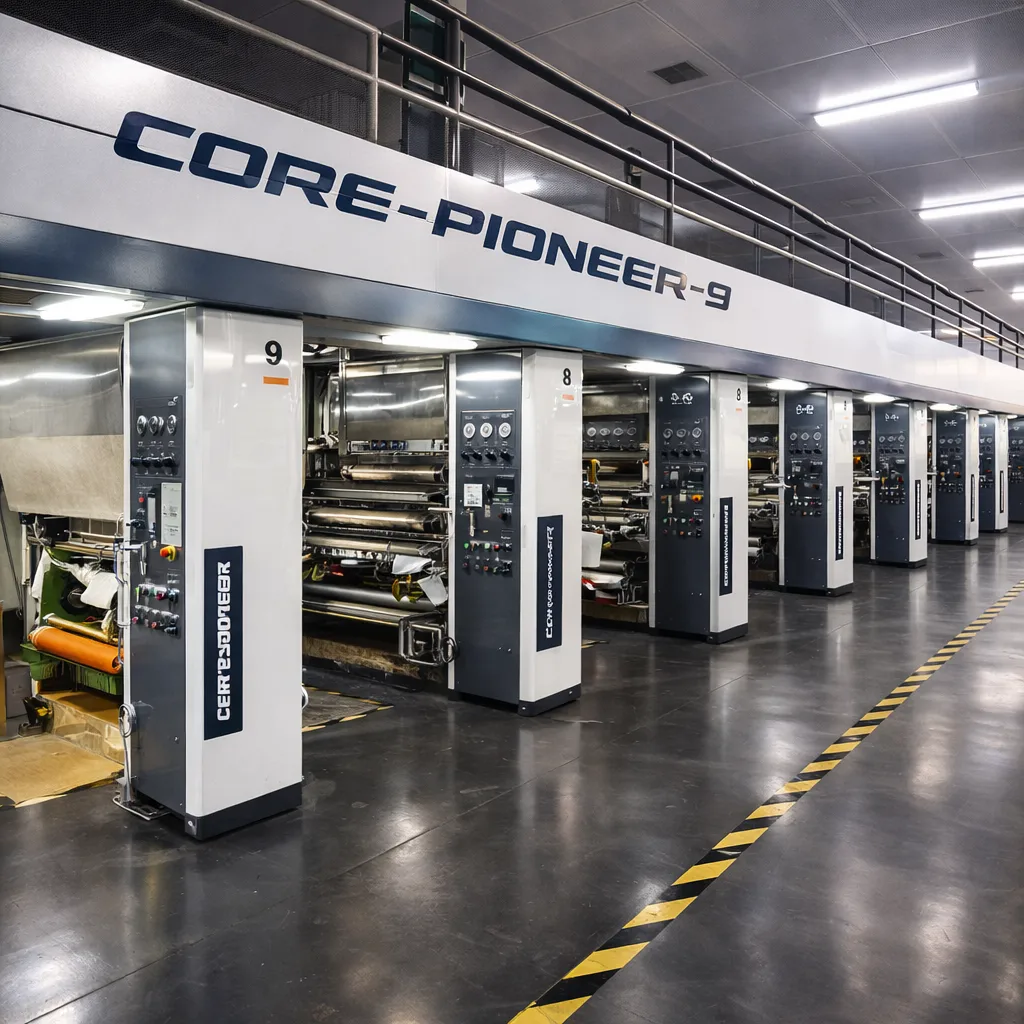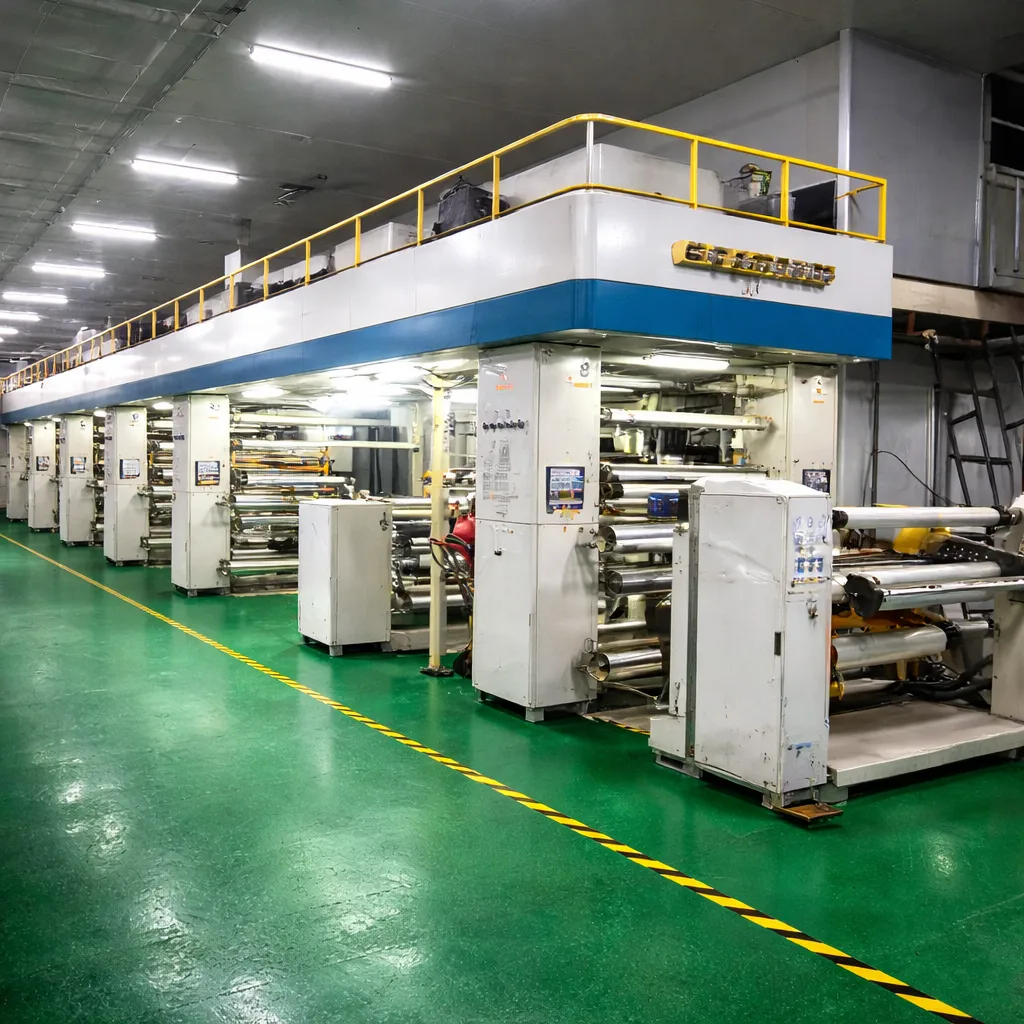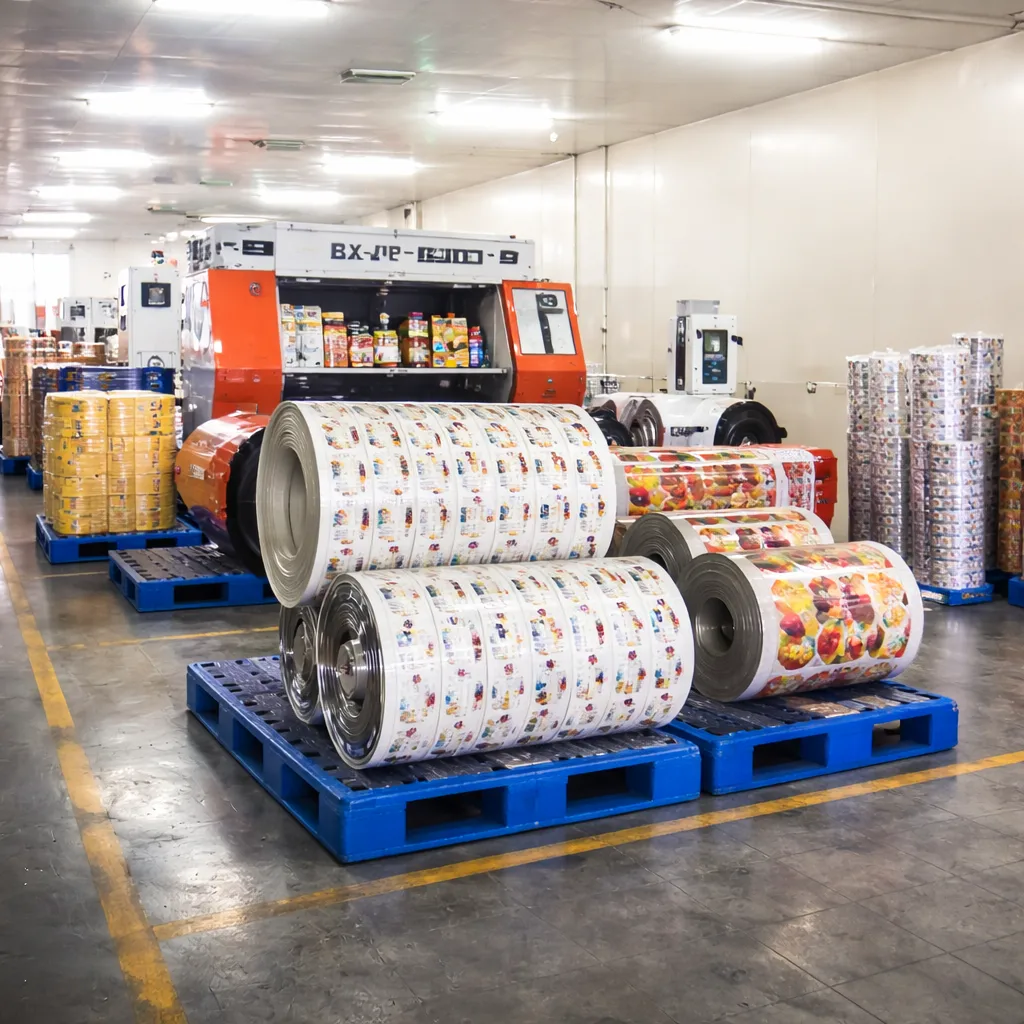


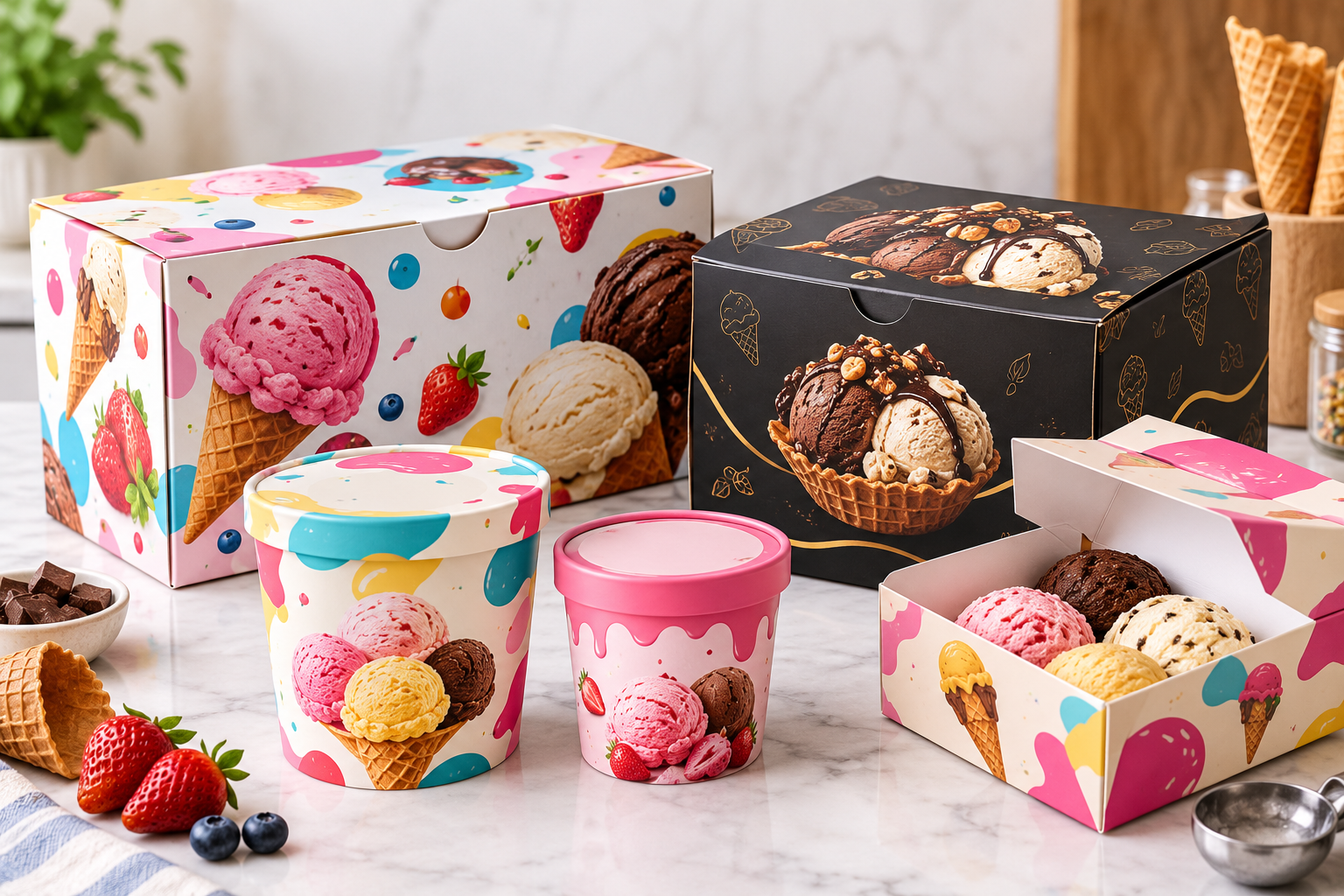
Packagly works with dessert brands that need their frozen products noticed within seconds. A shopper walks down the freezer aisle and scans dozens of pints at once. Printed ice cream boxes often decide which one gets picked up. That moment lasts about as long as a blink, so every detail on the front panel counts.
Taste matters, but nobody tastes before they buy. The box speaks first. Colour, finish, flavour cues and clear labels tell a stranger why your scoop deserves a place in their basket.
Maybe you run a gelato shop in Manchester or ship pints across Ontario. Maybe you sell at farmers’ markets in Melbourne. This guide covers why packaging affects sales, which materials survive a freezer, how production works, what it costs and how to choose a printer. We keep the advice practical, with real cost ranges and clear next steps. Ready to see what turns a plain carton into a sales tool?
Why custom ice cream boxes win attention in a crowded freezer
The frozen dessert market is huge, and it is crowded. According to the International Dairy Foods Association (2024), U.S. makers produced 1.30 billion gallons of ice cream in 2023. The same group says the average American eats roughly 20 pounds a year.
Appetite is shrinking, though. USDA Economic Research Service data show frozen dairy intake dropped by about five pounds per person between 2000 and 2020, to roughly 21 pounds. Fewer spoonfuls per shopper means every brand fights harder for each one.
What can a small brand do about that? Packaging is the cheapest lever you control. Custom ice cream boxes let you set the colour, the flavour cues and the story before a shopper reads a single ingredient. A clear front panel can lift a new label above older, better-funded names.
Brands across the UK, Canada, Australia and the United States pick custom printing for three reasons. It builds recognition across flavours. It supports a premium price. It carries the allergen and nutrition details that retailers require.
Look at your own freezer for a moment. Which pint would you grab first? Most people pick the cleanest design with the clearest flavour name, even at a higher price. Keep three things on the front panel: your brand mark, the flavour name and one visual cue, such as a fruit or a cone.
Materials and box styles for frozen dessert packaging
Freezers are tough on cardboard. Condensation softens weak board, and cold temperatures crack cheap ink. Most brands choose from four materials, and the right pick depends on your pack size, your price point and your shipping method.
Solid bleached sulphate (SBS) paperboard gives the whitest surface and the sharpest colour. Kraft board suits natural, eco friendly ice cream packaging boxes and pairs well with one-colour prints. Corrugated board protects multi-pint orders in transit. Rigid boxes suit gift sets, but they belong in a cooler bag, not a freezer.
Every material needs a food-safe barrier coating on the inside. Printed ice cream boxes need two layers of defence: that coating and a scuff-resistant varnish outside. In the United States, FDA food contact rules cover packaging that touches your product. The UK and the EU apply Regulation (EC) No 1935/2004 to food contact materials. Ask your printer for a compliance declaration before you approve any order.
Size matters too. Pint formats run from 4 oz cups to 32 oz quarts in the US, and from 100 ml to 1 litre in the UK and EU. Give your printer the exact fill volume, because the lid must clear the product.
One food packaging consultant in Toronto notes that most freezer failures trace back to the wrong coating, not the wrong board. Her advice is to leave a sample in your own freezer for a week before you place a full order. The table below compares the four options at a glance.
|
Material |
Typical cost per box (1,000+ units) |
Freezer performance |
Best for |
Eco profile |
|
Coated SBS paperboard |
$0.30 to $0.80 |
Excellent |
Retail pints, bold graphics |
Recyclable with water-based coating |
|
Lined kraft paperboard |
$0.35 to $0.90 |
Good |
Artisan, natural brands |
FSC options, often recyclable |
|
Corrugated E-flute |
$0.60 to $1.50 |
Very good |
Multi-pint shipping |
Recyclable |
|
Rigid box with insert |
$1.50 to $4.00 |
Poor |
Gift sets, cooler delivery |
Reusable, higher footprint |
Finishes change the look and the price. Matte feels premium and hides fingerprints. Gloss makes colours pop under freezer lights. Spot UV and foil highlight a logo or flavour name, but they raise your cost.
From artwork to delivery: how ice cream pint boxes get made
First orders can feel confusing. A clear process removes most of the stress. Here is how a typical order moves from idea to freezer.
- Share your pint size, volume and flavour list so the printer can quote.
- Receive a flat dieline template and place your artwork on it.
- Approve a digital proof, then a physical sample if your budget allows.
- Choose board, coating and finish based on the sample test.
- Printing, die cutting, gluing and quality checks run in sequence.
- Cartons ship flat to save freight and storage space.
Many printers quote 10 to 15 business days after proof approval, plus shipping. Send vector artwork with a 3 mm bleed and convert all text to outlines. Use Pantone references for brand colours so every batch matches.
What changes the price
Pricing for printed ice cream boxes drops sharply as volume rises. Short runs of 500 boxes can cost twice as much per unit as runs of 5,000, because setup costs stay fixed. Board type, coating, colour count, finish and box size all move the number. New shapes also need a one-time die charge. Wholesale ice cream boxes at 5,000 units often land between $0.30 and $0.60 each for standard pint sizes.
Take a gelato maker in Leeds who launches six flavours. She picks kraft board with a single spot UV logo, then uses one shared dieline and swaps only the colour band for each flavour. That choice keeps tooling to a single charge and holds her cost near the low end of the range.
How to choose a printer for your ice cream cartons
A low quote tells you little. Ask five questions before you commit. Can the printer show a food-contact declaration? Have they tested their board at minus 18°C? What is the minimum order? How many proof rounds come with the price? Who fixes artwork problems?
Experience with frozen products matters more than a flashy portfolio. A specialist that makes custom packaging every day, such as Packagly, usually keeps dielines for standard pint and tub sizes on file and knows which coatings survive cold storage. A general print shop may treat a freezer carton like any other job, and that gap shows up as soft corners and cracked ink after two weeks.
Sustainability counts too. Look for FSC-certified board and water-based coatings if your customers care about recycling. Request sample sets from at least two printers and compare them side by side.
Location shapes your timeline. Ice cream packaging suppliers in Canada often ship within a week, while overseas factories may take four to six weeks by sea. Weigh freight time against savings before you decide. Walk away from any supplier that skips proofs or gives vague lead times.
Frequently asked questions about freezer-ready packaging
What are printed ice cream boxes made from?
Most printed ice cream boxes use SBS or kraft paperboard with a food-safe barrier coating inside. Corrugated board suits shipping cartons, and rigid board suits gift sets. The coating matters most, because it blocks condensation and keeps the board from going soft in cold storage.
How much do custom ice cream boxes cost in the UK?
Most UK printers quote roughly £0.25 to £0.70 per pint box at 1,000 to 5,000 units, depending on board and finish. Short runs of 500 can cost double per box. Delivery and VAT come on top, so request an itemised quote.
What is the minimum order for wholesale ice cream boxes in Australia?
Many Australian suppliers set minimums between 500 and 1,000 boxes for digital printing and 2,000 or more for offset. Digital suits small flavour runs. Offset cuts the unit price once your volume grows. Ask each supplier for tiered pricing.
Do ice cream pint boxes need FDA approval in the United States?
The FDA does not approve individual boxes, but packaging that touches food must use materials that meet FDA food contact rules. Labels must carry nutrition facts and allergen declarations under federal labeling rules, including sesame, which the FASTER Act added as a major allergen.
Which allergen rules apply to ice cream cartons in Canada?
Health Canada requires priority allergens, gluten sources and added sulphites to appear in plain language on pre-packaged foods, in English and French. Milk, eggs, nuts and sesame are common in ice cream. Your printer cannot check your recipe, so confirm the list before approving the proof.
Do ice cream boxes hold up in humid places like Florida or Queensland?
Yes, if the board has a proper moisture barrier and the cartons stay sealed until filling. Humidity pulls water into uncoated board and causes warping before the box reaches the freezer. Store flat cartons in a cool, dry room and use them within a few months.
Can small businesses order custom ice cream boxes with a logo?
Yes. Digital printing makes small runs affordable, often from 250 to 500 boxes. Send a vector logo and your pint dimensions, and most printers return a proof within two or three days. Ice cream boxes for small businesses can start simple, with one colour and a kraft finish.
Are eco friendly ice cream packaging boxes recyclable?
Many are. Kraft board with a water-based coating usually goes into standard paper recycling, while plastic-laminated boxes often do not. Ask your printer which coating they use, and check your local council or municipality rules, because accepted materials vary by region.
How long does production take for ice cream cartons?
Most printers quote 10 to 15 business days after you approve the proof. Shipping adds three to seven days within the same country and several weeks by sea freight. Order at least six weeks before a seasonal launch to leave room for revisions.
Why do short runs cost more per box?
Setup work, digital preparation and the cutting die cost the same whether you print 500 boxes or 5,000. Spread across fewer boxes, those fixed costs raise each unit price. Reusing one dieline across flavours keeps your spend down.
Your next step is simple. List your pint sizes, flavours and monthly volume, then request samples from two or three printers. Test each sample in your own freezer for a week. If you want help with materials, finishes or artwork setup, reach out to Packagly for a quote and ask about sizes that fit your range. Good packaging will not fix a weak recipe, but it gives a strong one the first chance it deserves