

Packagly works with mushroom brands every week, and the same question keeps coming up: will Mylar actually keep the product fresh, or is it just another packaging trend? Mushroom Mylar bags have become the default choice for dried mushrooms, mushroom powders, and functional mushroom supplements, and there's a real reason for that beyond looks. The functional mushroom supplement market was valued at roughly $5.68 billion in 2024 according to Market Research Future, and that growth means more brands competing for shelf space and online attention. Packaging is often the first thing a buyer notices before they read a single ingredient. This guide covers what mushroom Mylar bags actually do for your product, the main options available, what drives cost, and how to pick a packaging partner who won't cut corners on barrier quality.
What Mushroom Mylar Bags Actually Protect Against
Dried mushrooms and mushroom powders are sensitive products. Moisture triggers mold. Light breaks down active compounds like beta-glucans and polysaccharides. Oxygen speeds up oxidation, which dulls flavor and reduces potency over time. Mylar addresses all three at once. Metallized PET film posts an oxygen transmission rate as low as 0.01 cc per 100 square inches per day, compared with 150 to 200 cc for plain polyethylene, and the aluminum layer blocks close to 99% of visible light.
That combination matters most for powdered mushroom extracts, where surface area is high and degradation happens fast once a bag is opened and resealed a few times. A brand selling lion's mane or reishi powder needs the product to test the same in month six as it did on day one. Mushroom Mylar bags give that consistency a fighting chance in a way that basic kraft paper or thin plastic pouches cannot.
Comparing Mylar Bag Types for Mushroom Products
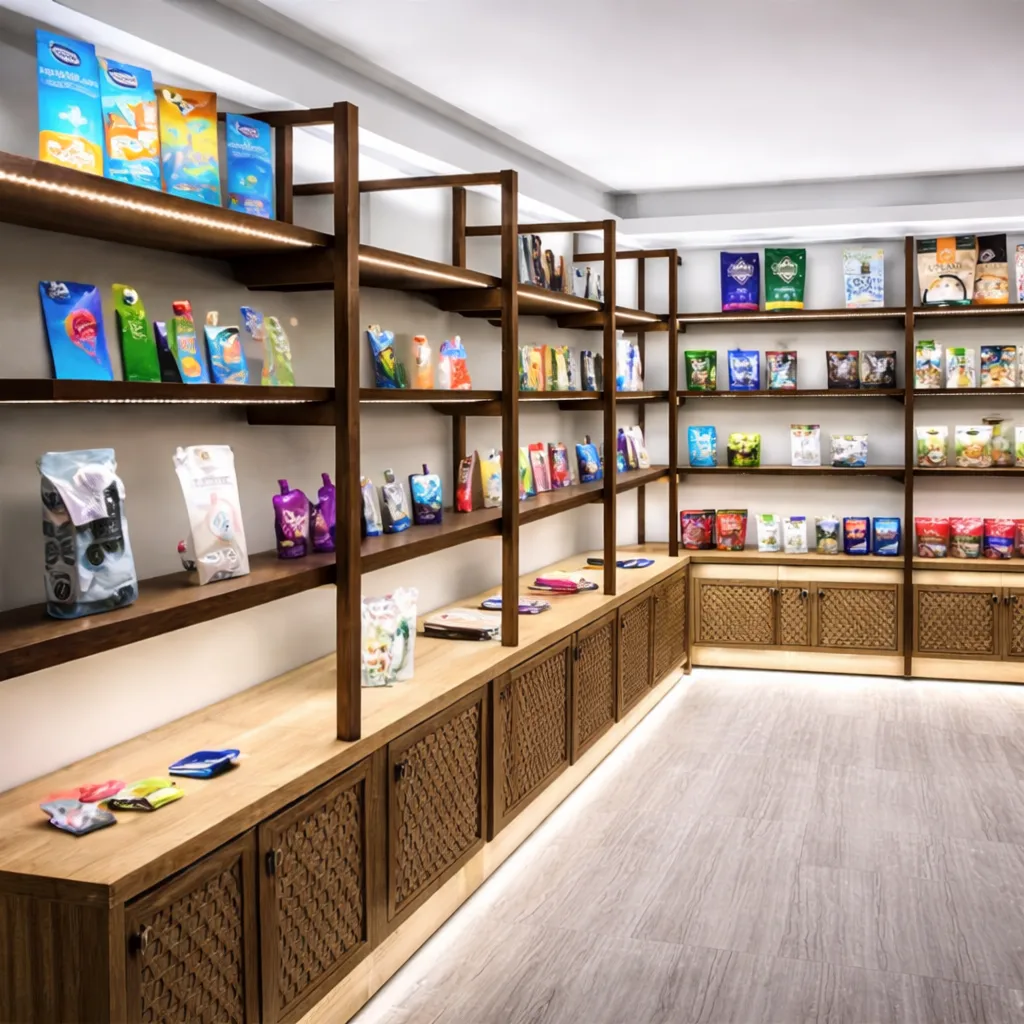
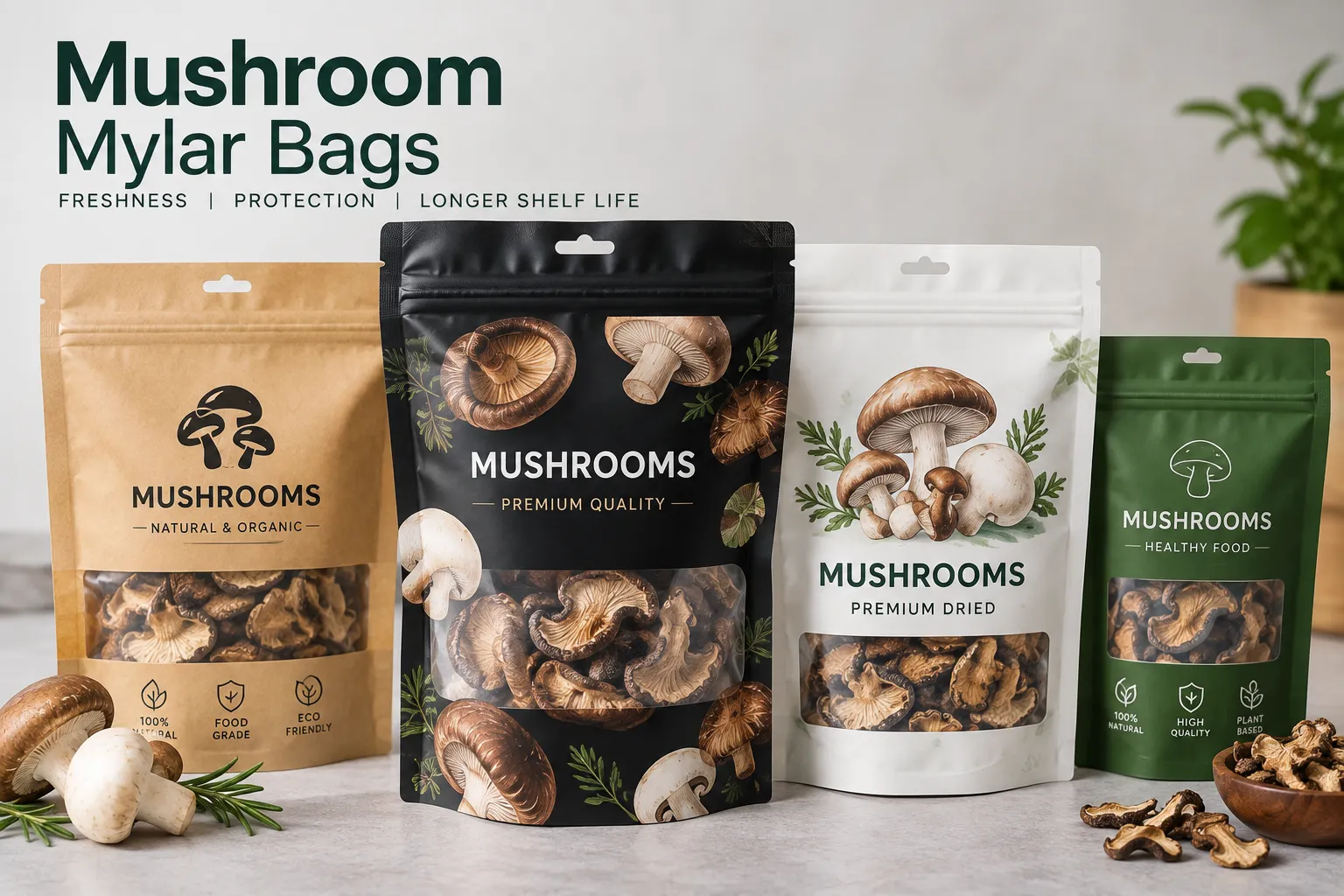
Not every mushroom product needs the same bag. A dried whole mushroom snack has different display needs than a fine powder meant for scooping into smoothies. Some brands want a clear window so the product sells itself on the shelf. Others prioritize a fully opaque barrier to protect light-sensitive compounds.
|
Bag Type |
Barrier Level |
Shelf Visibility |
Best Suited For |
|
Full Metallized Mylar |
Highest oxygen and light barrier |
Opaque, no window |
Powders and extracts needing maximum shelf life |
|
Clear Window Mylar |
High barrier, small clear panel |
Partial product view |
Whole dried mushrooms, gourmet snacks |
|
Kraft-Mylar Hybrid |
Moderate barrier, paper-look exterior |
Opaque with matte finish |
Brands wanting a natural, premium look |
|
Resealable Stand-Up Pouch |
High barrier, zipper closure |
Opaque or windowed |
Repeat-use powders and supplement blends |
None of these is automatically the right pick. A brand chasing a premium wellness shelf position often leans toward the Kraft-Mylar hybrid, while a bulk supplement seller usually needs the full metallized option for cost efficiency at scale.
How a Mushroom Mylar Bag Order Actually Comes Together
The process starts with a conversation about the product itself: is it a fine powder, a whole dried mushroom, or a capsule blend that still needs a barrier pouch for the bulk container? From there, a packaging provider recommends film thickness, usually somewhere between 3.5 and 7 mil depending on how much physical handling the bag will see during shipping and retail display.
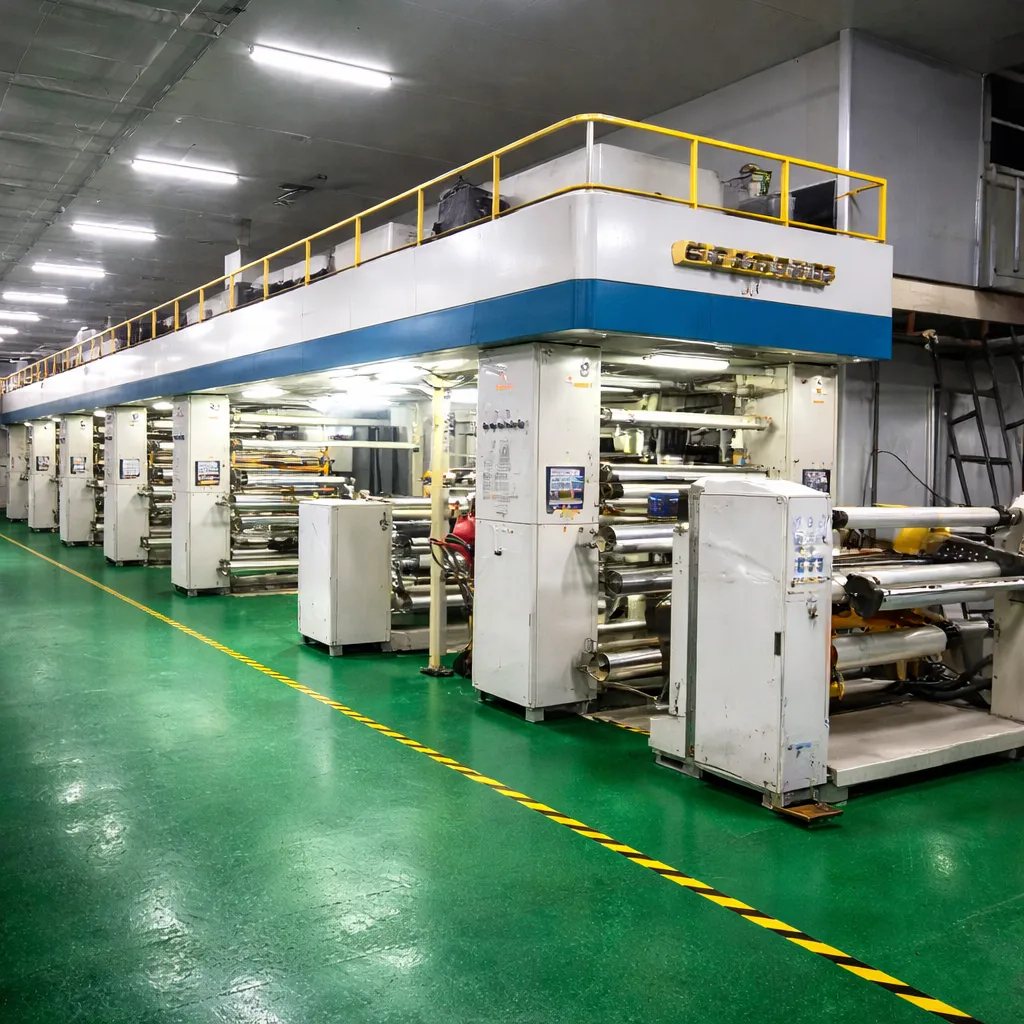
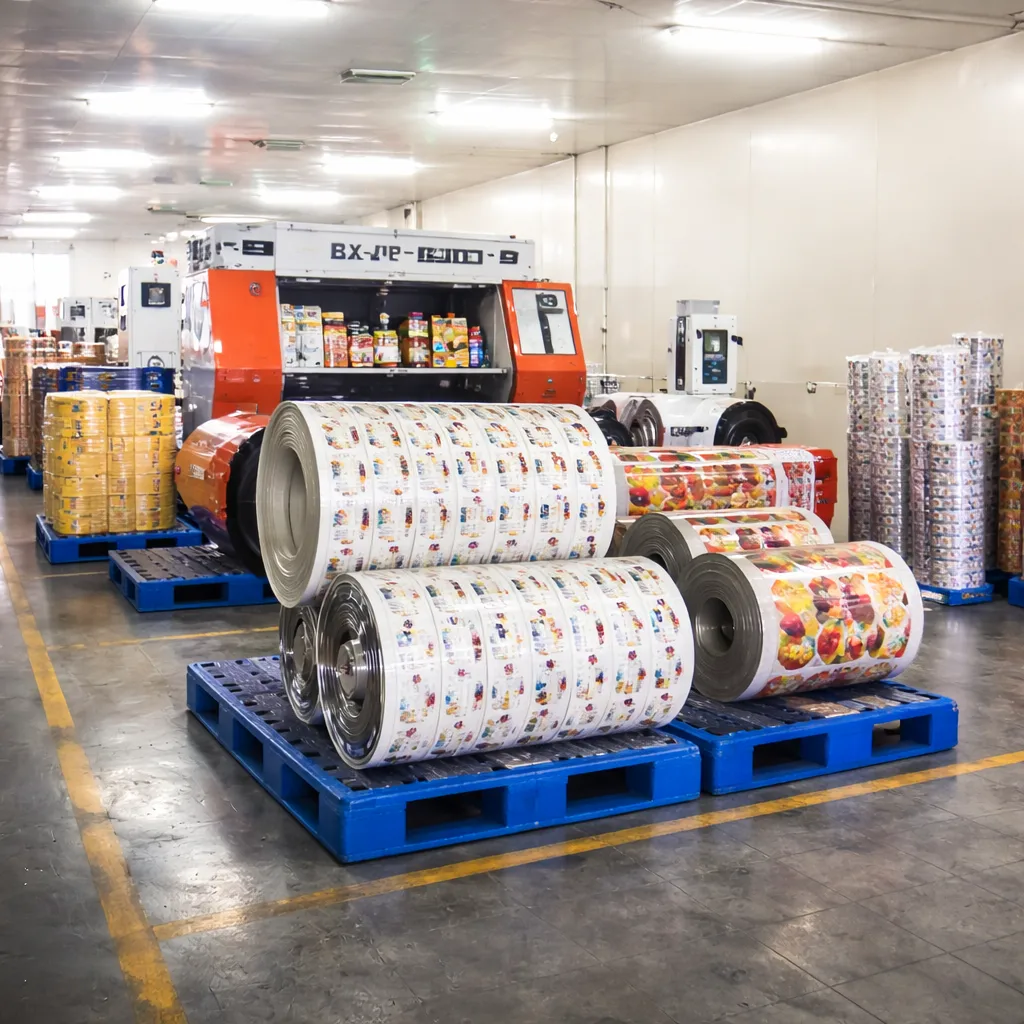
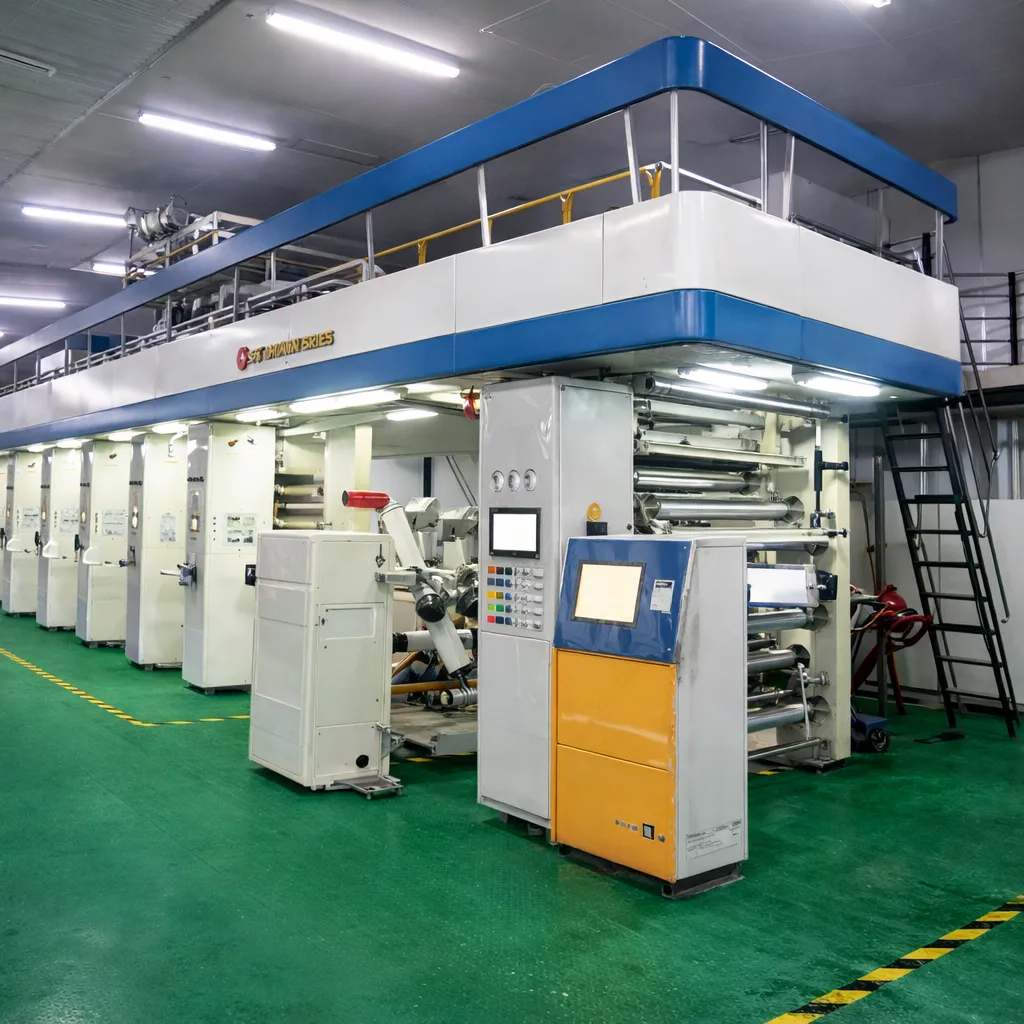
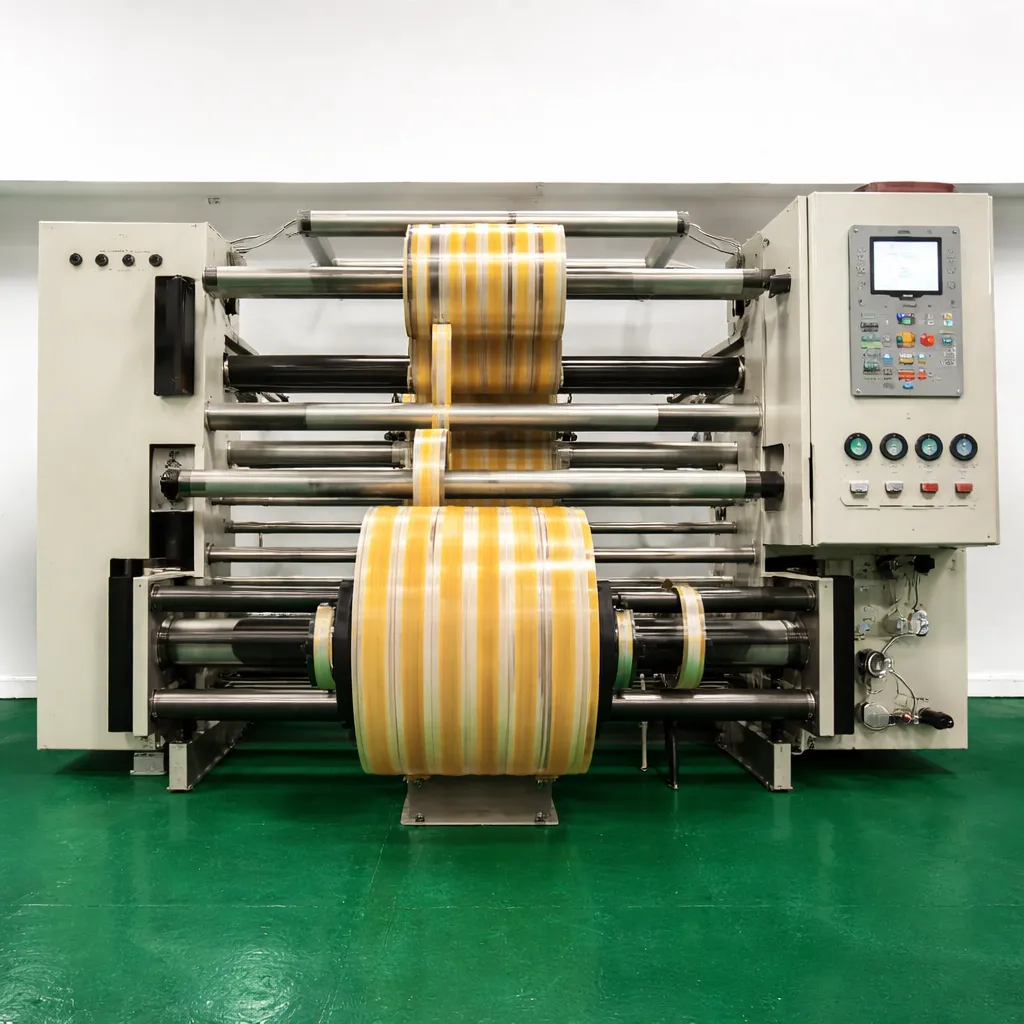
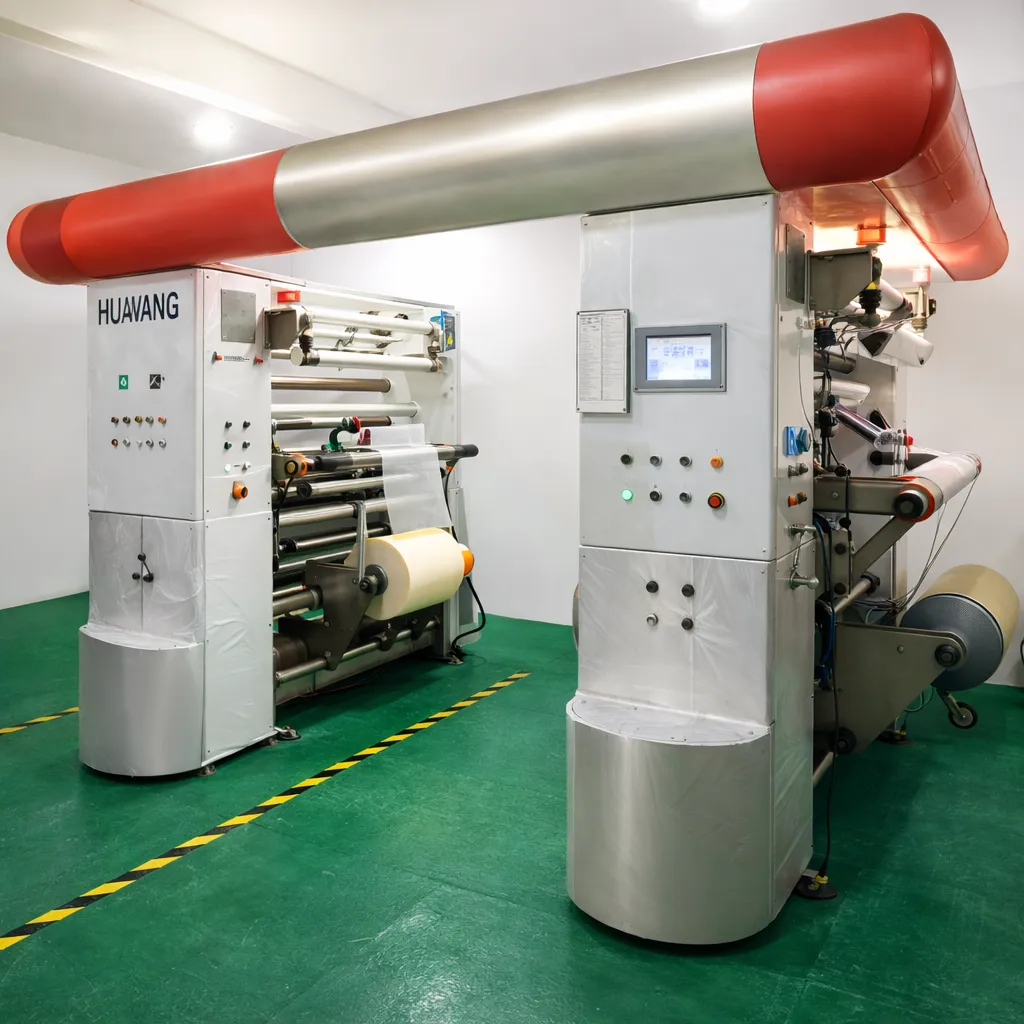
Next comes design and proofing. Brands submit artwork, and the printer produces a digital proof before any material gets cut. Once approved, production runs on lamination lines that combine the PET, aluminum, and polyethylene layers, then form and seal the finished pouches. Turnaround typically depends on order volume and whether the design needs custom printing plates or can run on existing tooling. A rushed order without a proper proofing step is how brands end up with color mismatches or a zipper that doesn't seal properly, so that step is worth the extra day or two.
What Drives the Cost of Mushroom Mylar Bags
Several factors shape what a mushroom Mylar bag order actually costs, and understanding them helps a brand compare quotes fairly instead of just chasing the lowest number. Film thickness and layer count matter most, since a higher barrier structure with more lamination layers costs more to produce than a thinner, single-purpose film. Custom printing adds cost too, particularly full-color designs that require multiple print stations compared with a simple one or two color layout.
Order volume plays a large role as well. Bag pricing typically drops per unit as quantity increases, since setup and plate costs get spread across more units. Special features like resealable zippers, tear notches, or a clear window insert each add a small production step, and those steps add up. A brand deciding between a basic pouch and one with every add-on should weigh whether the feature actually changes buyer behavior or just adds cost without much return.
Choosing a Mushroom Mylar Bag Supplier You Can Trust
So how do you tell a reliable supplier from one that's cutting corners on material quality? Start by asking what film structure they're actually using. A supplier who can't explain their oxygen transmission rate or layer composition probably hasn't tested it. Ask for a physical sample too, not just a digital mockup, since barrier film feels and seals differently than standard plastic.
Regulatory compliance matters as well. Packaging that touches food-grade mushroom products in the US should use materials authorized under FDA 21 CFR Parts 174 through 178, which govern indirect food additives and food contact substances. A supplier who works specifically with mushroom and supplement brands, like Packagly, will typically already have that documentation ready rather than scrambling for it after an order ships. That kind of preparation separates a specialist packaging partner from a general printer who happens to also make bags.
One supplement brand we worked with had been using a generic printer that couldn't confirm their film's moisture barrier rating. After switching to a properly tested metallized structure, their customer complaints about clumped powder dropped within two production cycles. Small material details like that show up fast in customer reviews.
Frequently Asked Questions
What makes Mylar better than plastic for mushroom packaging?
Mylar's metallized PET layer blocks far more oxygen and light than standard plastic film. This slows oxidation and protects light-sensitive compounds in dried mushrooms and mushroom powders, extending shelf life significantly compared with basic polybags.
How much do mushroom Mylar bags cost?
Cost depends on film thickness, print complexity, and order volume. Larger orders lower the per-unit price since setup costs spread across more bags, while custom full-color printing and added features raise cost per unit.
Do mushroom Mylar bags need to be FDA compliant?
Yes, if the product is food-grade. Materials that contact the mushroom product directly should meet FDA 21 CFR Parts 174 through 178, which regulate indirect food additives and food contact substances in the United States.
What film thickness works best for mushroom powder packaging?
Most mushroom powder brands use film between 3.5 and 7 mil. Thicker film handles rougher shipping and frequent resealing better, which matters for supplement products customers open repeatedly.
Can Mylar bags include a clear window for whole dried mushrooms?
Yes. A clear window Mylar bag lets buyers see the product while still keeping most of the pouch opaque for barrier protection, which works well for gourmet dried mushroom snacks sold at retail.
How long do mushroom products last in Mylar packaging?
Shelf life varies by product form, but the strong oxygen and moisture barrier in Mylar typically extends freshness well beyond what standard plastic or paper packaging can offer for dried and powdered mushroom goods.
Are resealable zippers worth the extra cost?
For powders and supplement blends that customers open repeatedly, yes. A resealable zipper keeps the barrier intact after first use, which matters more for a jar-replacement pouch than a single-use snack bag.
What print options are available for mushroom Mylar bags?
Most suppliers offer one to two color printing on the low end and full-color digital or rotogravure printing for detailed branding. Full-color runs cost more but give brands a more premium, shelf-ready finish.
Does humidity affect Mylar bag performance?
Mylar performs well in humid climates specifically because of its low moisture vapor transmission rate. This makes it a strong choice for mushroom products shipped or stored in warmer, more humid regions of the country.
What's the minimum order quantity for custom mushroom Mylar bags?
Minimum order quantities vary by supplier and print method. Digital printing generally allows smaller custom runs, while rotogravure printing usually requires higher volumes to justify the plate setup cost.
How do I know if my current packaging is actually protecting my product?
Ask your supplier for the film's oxygen and moisture transmission rate. If they can't provide it, that's a sign the material hasn't been properly tested, and your product may be losing potency faster than expected.
Ready to Package Your Mushroom Product Right?
Choosing the right mushroom Mylar bag comes down to matching barrier strength, film thickness, and design to how your product actually gets used. Packagly works with mushroom and supplement brands on exactly this kind of decision, from film selection through FDA-compliant material sourcing. If you're weighing your packaging options, a quick conversation about your product's specific needs is worth more than guessing from a catalog.