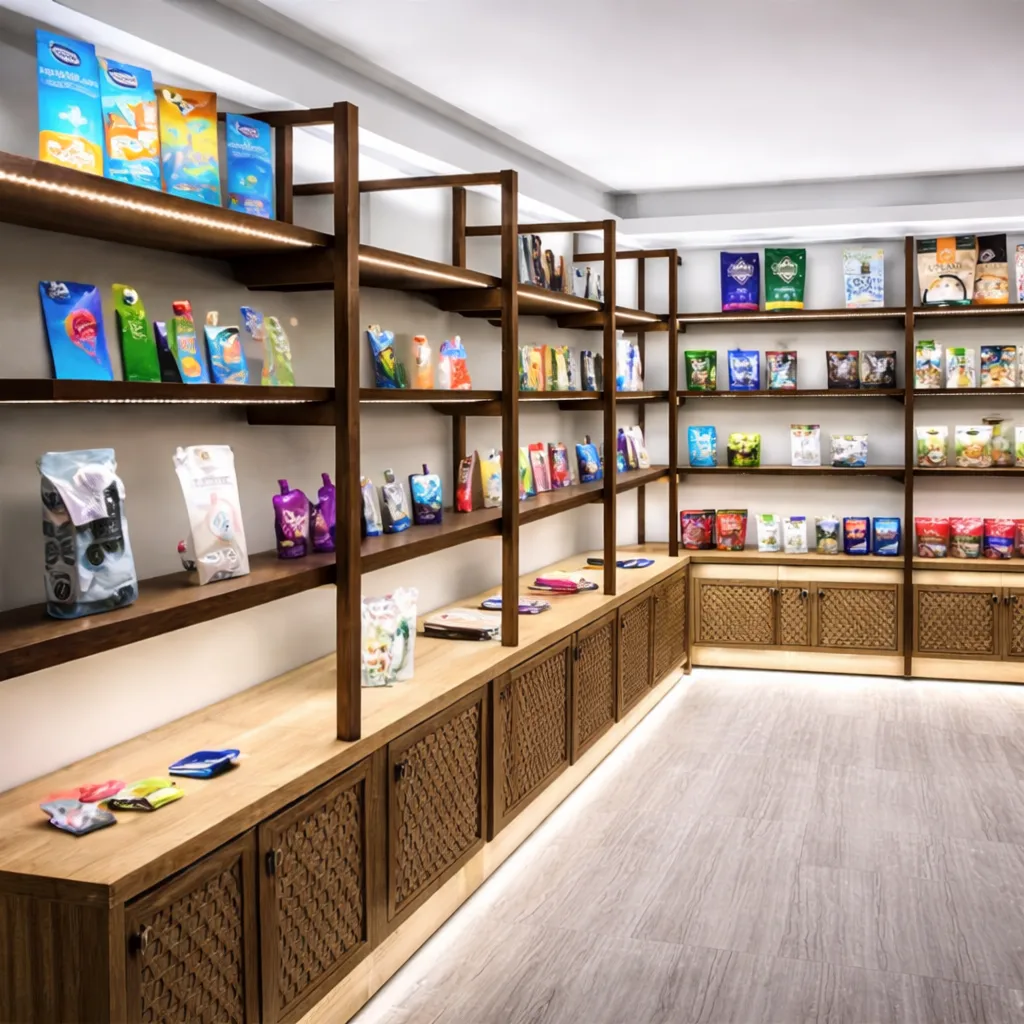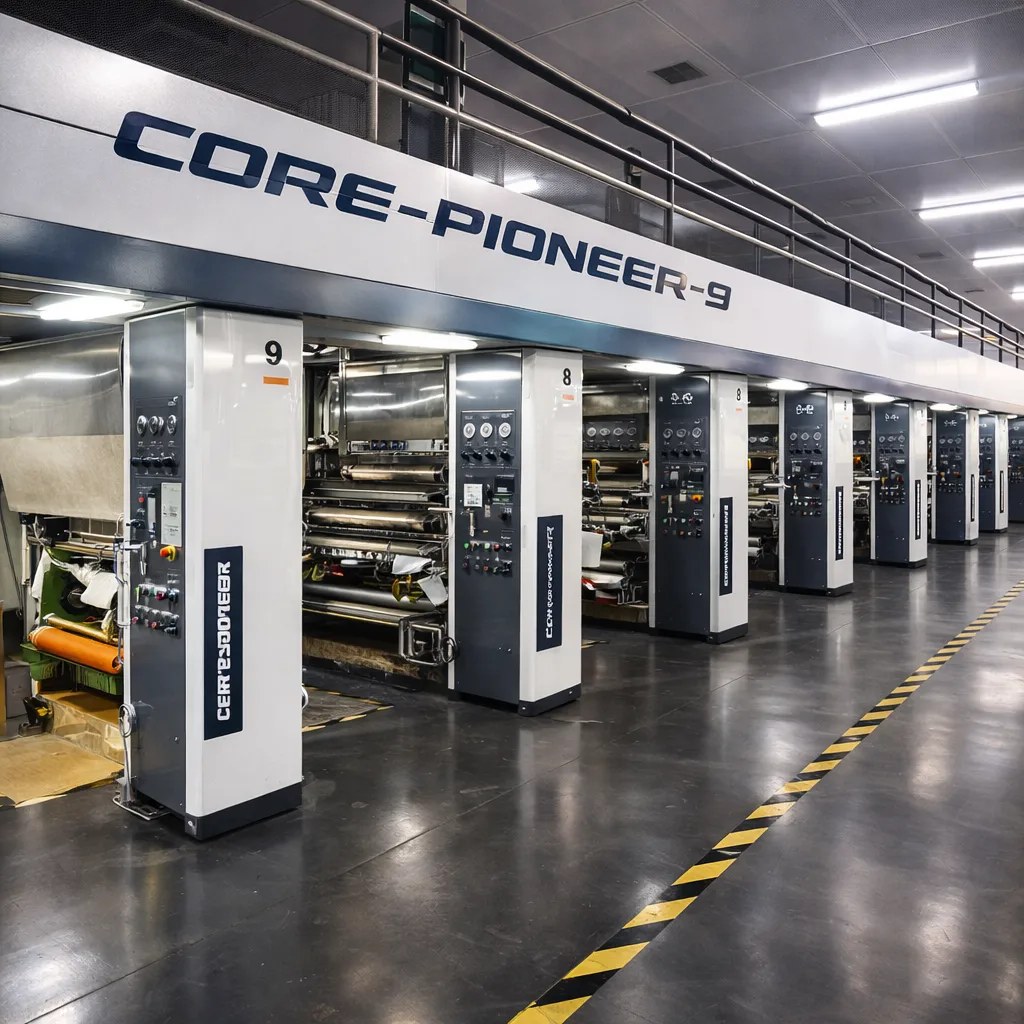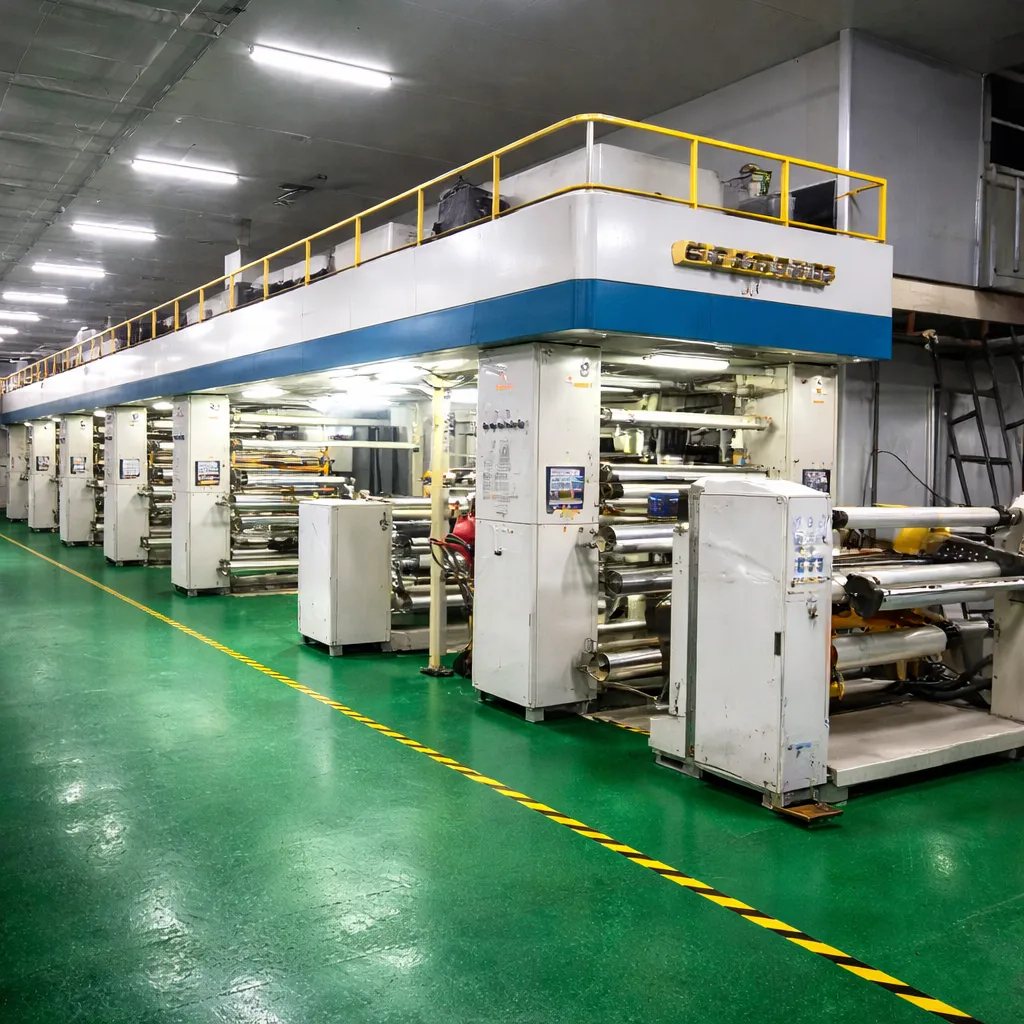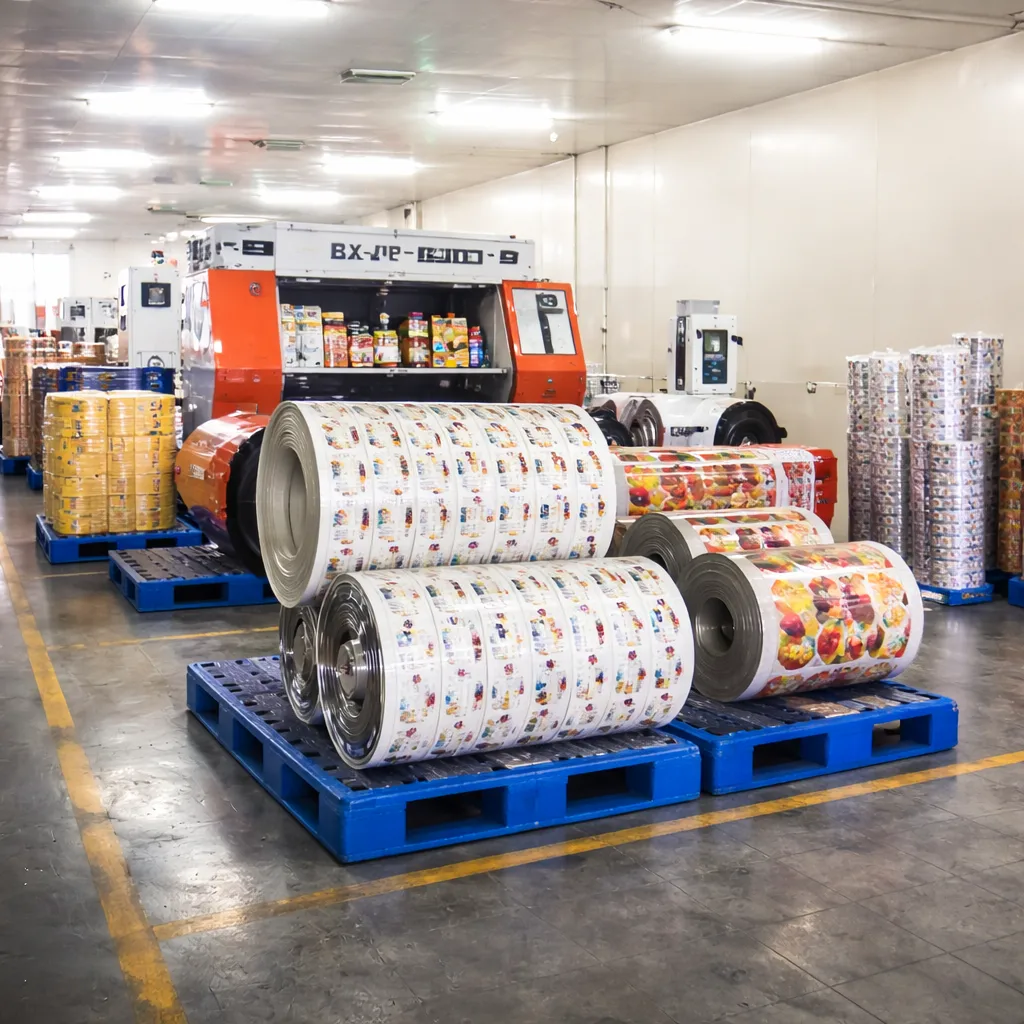


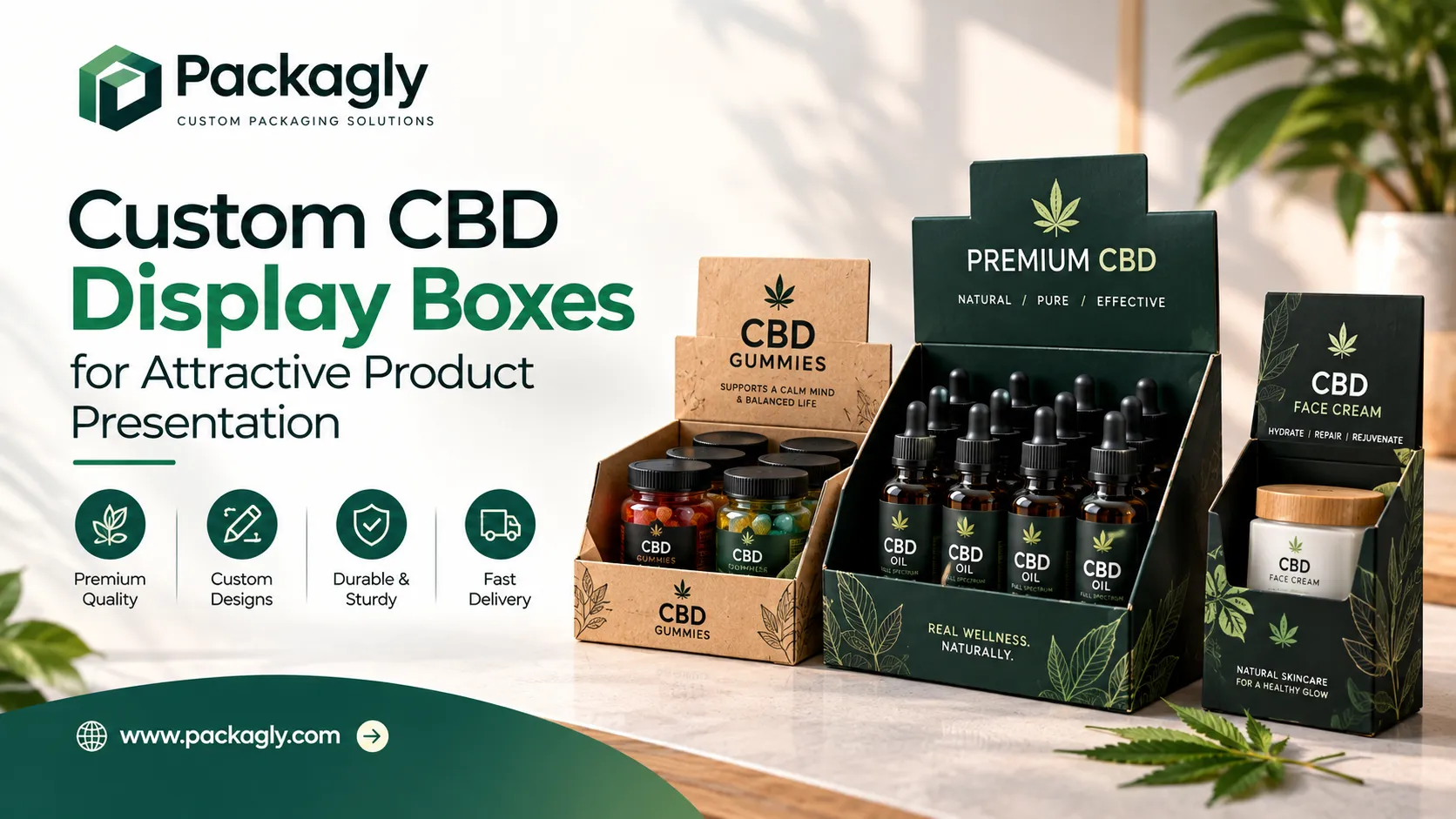
Packagly works with hemp and wellness brands every week, and one question comes up again and again: how do you make a small product stand out on a shelf packed with competitors? Custom CBD display boxes are one of the fastest answers to that problem. They turn a plain product into something a shopper actually stops to pick up, and they do it without demanding a full store redesign.
A well-built display box does more than hold bottles or pouches in place. It tells a shopper what the product is, why it's different, and why it's worth trying before they even read the label. For CBD brands competing against dozens of near-identical tinctures and gummies, that first three seconds of shelf attention often decides the sale.
Why Local Brands Are Switching to Custom Displays
Retailers in the US, UK, Canada, Australia, and beyond are stocking more CBD products than they were three years ago, and shelf space hasn't grown to match. Brands that show up in a generic brown box get lost between five other generic brown boxes. Custom CBD display boxes solve that by giving each product its own visual footprint, right down to the counter or endcap.
This is not just a branding preference. According to Smithers' report on the future of cannabis and CBD packaging, the global cannabis packaging market was forecast to reach $1.6 billion in 2024, driven partly by producers seeking packaging that supports product differentiation on crowded shelves. That growth reflects a simple truth: as more brands enter the category, the box becomes part of the sales pitch, not just the container.
Isn't it strange how often a good box outsells a good product? A tincture with average branding in a sharp, well-lit display case will often outsell a superior tincture stuffed into a flat cardboard tray at the back of the counter. Shoppers are making split-second decisions, and custom CBD packaging gives your product the visual cues it needs to win that moment.
Materials, Options, and What Actually Holds Up
Not every display box needs to be built the same way. A tabletop counter display for a boutique dispensary has different demands than a floor-standing unit for a big-box retailer. Cardboard works well for lightweight tinctures and short retail runs. Corrugated stock handles heavier gummies and topicals that need to survive shipping and repeated restocking.
Kraft paperboard gives a natural, apothecary-style look that many wellness brands prefer, though it scuffs faster under heavy handling. Rigid board sits at the premium end, holding its shape for months on a shelf and giving a sturdier printing surface for foil accents or spot UV. Each option trades cost against durability and shelf life, so the right pick depends on how long the display needs to last and how it will be handled.
|
Material |
Avg. Cost (per 100 units) |
Durability |
Best For |
Maintenance |
|
Cardboard |
$150–$250 |
Low to moderate |
Short promotional runs |
Replace every 4–6 weeks |
|
Kraft paperboard |
$200–$320 |
Moderate |
Boutique or organic branding |
Wipe clean, avoid moisture |
|
Corrugated |
$250–$400 |
High |
Shipping-heavy or high-turnover stores |
Minimal upkeep |
|
Rigid board |
$400–$650 |
Very high |
Premium or long-term retail placement |
Occasional dusting only |
A tincture brand in a coastal retail market once switched from plain kraft boxes to a corrugated counter display with printed graphics, and staff reported restocking the display far less often because the structure held up under daily handling. Small material changes like that often solve problems brands didn't realize they had.
How a Custom CBD Display Box Actually Gets Made
The process starts with the product itself. A packaging team measures the bottles, jars, or pouches, checks how many units the display needs to hold, and maps out where it will sit in-store. From there, a structural designer builds a die-line, which is the flat template that folds into the finished box shape.
Once the structure is approved, the graphics come next. This is where your logo, colors, dosage information, and any required warnings get laid out on the flat template before anything is printed. A proof usually goes back to the brand for sign-off, because catching a labeling error on a digital proof costs nothing compared to catching it on a finished production run.
After approval, the boxes get printed, die-cut, folded, and glued, then shipped flat or partially assembled depending on the retailer's preference. Companies like Packagly that specialize in CBD and hemp packaging tend to build in extra time for compliance review at this stage, since label wording for cannabinoid products gets checked more closely than it does for most other retail goods.
What Actually Drives the Cost
Several factors push the price of custom CBD display boxes up or down, and knowing them ahead of time helps you avoid surprises. Order volume matters most: printing 5,000 units brings the per-unit cost down sharply compared to printing 200. Material choice comes next, since rigid board and specialty coatings cost more than plain kraft.
Print complexity plays a role too. A two-color print job costs far less than a full-color design with foil stamping or embossing. Structural complexity also adds up, since a display with built-in dividers or a locking base takes more engineering time than a simple open tray. Finally, turnaround speed affects price, because rush orders often carry a premium of 15 to 25 percent over standard lead times.
A licensed packaging consultant based in Denver put it plainly: brands often spend too much on print finishes and too little on structural testing, then wonder why the display collapses after two weeks on a busy counter. Getting the structure right first, then adding finishing touches, tends to produce a better return per dollar spent.
Choosing the Right Packaging Partner
Picking a provider for custom CBD display boxes comes down to more than price per unit. Ask whether they have handled cannabinoid packaging before, since CBD products carry labeling rules that general packaging suppliers sometimes miss. Ask how they handle proofs, whether they offer low minimum order quantities for testing a new design, and what their average lead time looks like during peak season.
A supplier who works across many unrelated product categories may not know that most states require child-resistant closures for ingestible hemp products, or that some retailers reject shipments with mismatched dosage claims between the front label and the box copy. A specialist that focuses on CBD retail packaging, such as Packagly, will typically have already built compliance checks into their proofing process, which saves a brand from catching problems after a print run is finished rather than before.
That specialization is a factual difference, not a marketing claim. A general packaging supplier can certainly print a box. A team that works primarily with hemp and CBD brands has usually already solved the labeling, material, and compliance questions that a first-time CBD brand hasn't encountered yet.
Frequently Asked Questions
What is a CBD display box used for?
A CBD display box holds multiple units of a product, such as tinctures, gummies, or topicals, on a counter or shelf while showing off the brand's graphics and product information. It replaces a plain shipping box with something designed to be seen by shoppers.
How much do custom CBD display boxes cost?
Pricing usually ranges from $150 to $650 per hundred units depending on material, print complexity, and order volume. Larger orders lower the per-unit cost significantly, so brands planning multiple retail placements often save by ordering in bulk upfront.
Are custom CBD display boxes worth it for a small brand?
Yes, especially for brands entering competitive retail spaces like the UK or US market where shelf space is limited. A well-designed display can increase visibility without requiring a larger marketing budget, since the packaging itself becomes a form of in-store advertising.
What materials work best for CBD display boxes?
Corrugated and rigid board hold up best for high-traffic retail counters, while kraft and cardboard suit shorter promotional campaigns. The right choice depends on how long the display needs to stay on the shelf and how often it gets restocked.
Do CBD display boxes need to follow labeling regulations?
Yes. Hemp-derived CBD products sold across state lines generally need to meet FDA labeling guidance alongside individual state rules, and packaging often needs child-resistant features for ingestible products. Getting this wrong can lead to a retailer refusing a shipment.
How long does it take to produce custom CBD display boxes?
Standard production typically takes two to four weeks from proof approval to delivery, though this varies by supplier and order size. Rush orders are usually available but often carry an added cost of 15 to 25 percent.
Can small dispensaries order custom CBD display boxes in low quantities?
Many suppliers now offer lower minimum order quantities specifically for boutique dispensaries and independent retailers testing a new product line. This lets smaller operations trial custom packaging without committing to a large print run upfront.
What makes CBD display boxes different from standard retail packaging?
CBD display boxes often need to include cannabinoid content, dosage information, and required warning statements that standard retail packaging does not. They also tend to prioritize child-resistant structures for ingestible products, which adds a layer of design consideration.
Do CBD display boxes hold up in humid or hot climates?
Corrugated and rigid board perform better than plain cardboard in humid conditions, since they resist warping and moisture damage more effectively. Brands shipping to coastal or tropical retail regions, including parts of Australia and the southern US, often choose these sturdier materials for that reason.
How many units should a CBD display box hold?
Most counter displays hold between 12 and 36 units depending on product size, while floor displays can hold well over 100. The right count depends on how quickly the retailer expects the product to sell and how often staff can restock it.
Are custom CBD display boxes eco-friendly?
Many suppliers now offer recyclable kraft or corrugated options that meet sustainability preferences without sacrificing durability. Brands targeting environmentally conscious shoppers in markets like Canada and New Zealand often request these materials specifically.
What should I ask a packaging provider before ordering CBD display boxes?
Ask about their experience with cannabinoid product compliance, their minimum order quantities, average lead times, and how they handle proof approvals. A provider familiar with CBD-specific labeling rules will usually flag potential issues before printing rather than after.
A Practical Next Step
Custom CBD display boxes are not a decoration for your product. They are part of how a shopper decides whether to trust it in the first place. Getting the material, structure, and compliance details right from the start saves time, money, and the headache of a rejected retail shipment. If you want a packaging team that already understands hemp and CBD labeling rules, reach out to Packagly for a project quote and they can walk you through material options suited to your product and retail plan