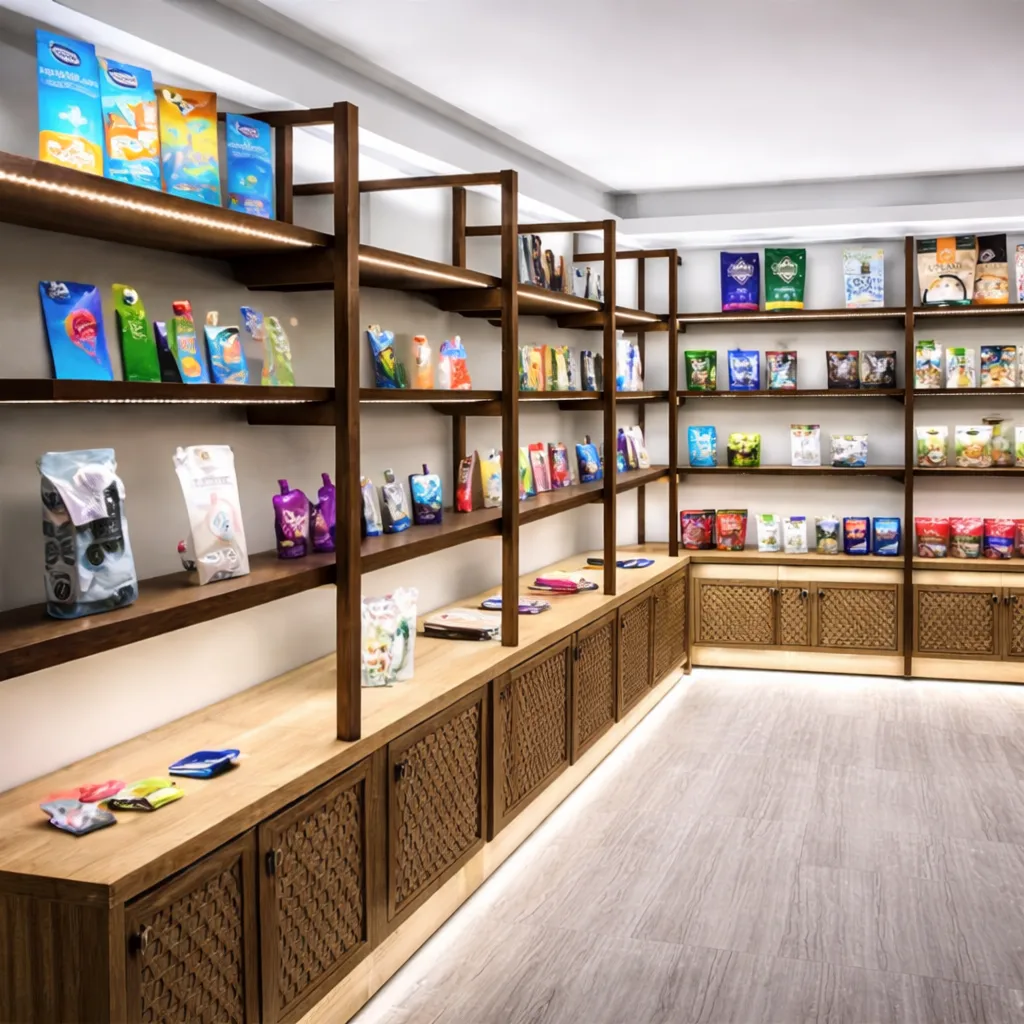


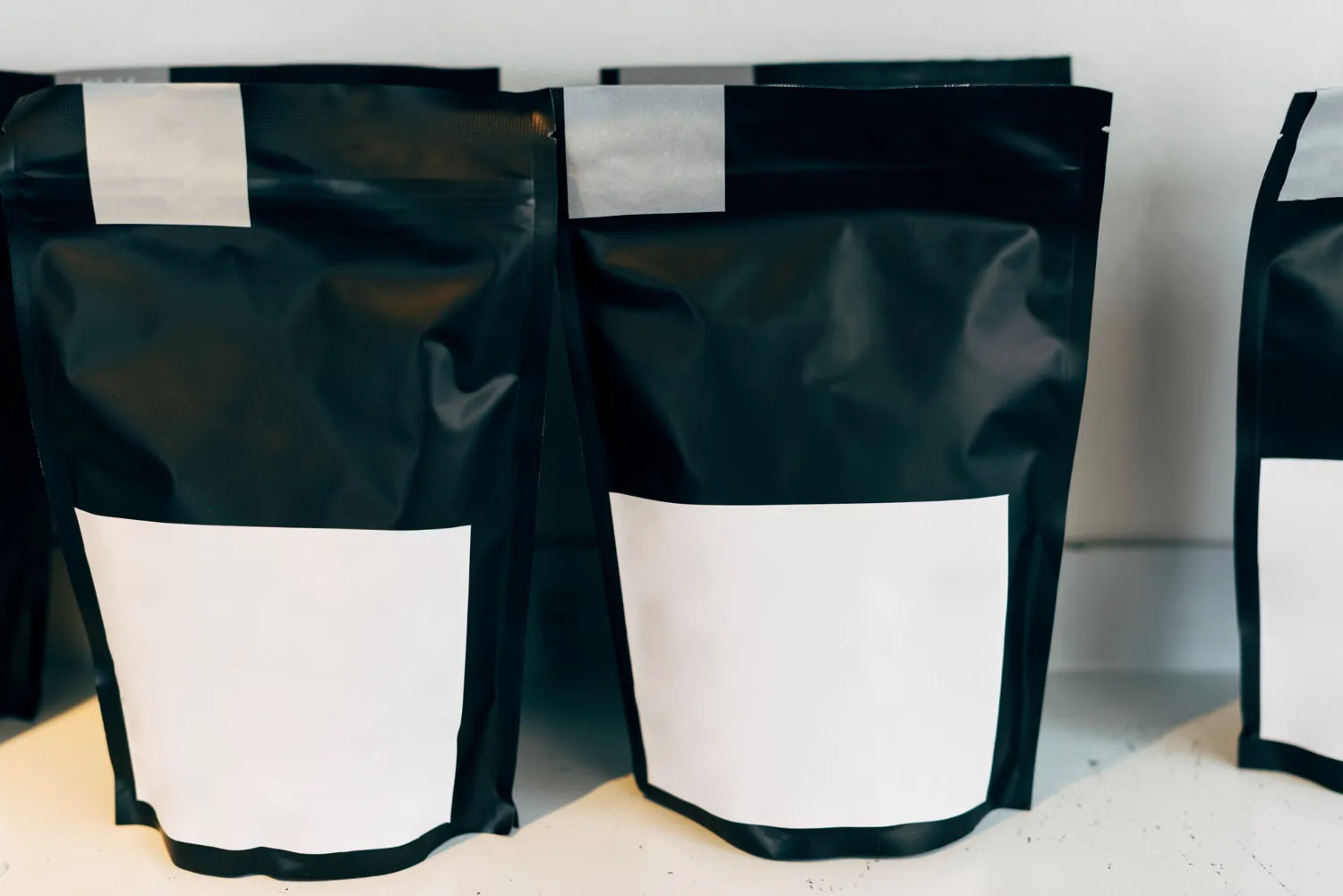
Cannabis flower loses potency fast once it hits open air. That's the core problem custom weed mylar bags solve for licensed growers, processors, and dispensaries. At Packagly, we build packaging for cannabis brands operating in regulated markets, where the bag has to do two jobs at once: protect the product and satisfy state or provincial compliance rules. Custom weed mylar bags combine a barrier film with a child-resistant closure, so flower stays fresher longer while the package meets the legal requirements that come with selling a controlled retail product.
Why does packaging carry so much weight in this industry? A licensed dispensary can lose its ability to sell a batch, or face a fine, over a bag that fails an opacity or child-resistant test. Getting the packaging right the first time saves brands from reprinting runs and from delays at the point of sale.
What Custom Weed Mylar Bags Actually Do
A weed mylar bag is built from layered film: an outer layer for print and strength, a middle barrier layer of foil or metallized film, and an inner heat-seal layer. That barrier layer blocks oxygen, moisture, and UV light, which slows the breakdown of terpenes and cannabinoids that gives aged flower its flat, stale smell.
Licensed operators choose mylar over jars or tins for a few practical reasons. It weighs less for shipping, prints cleanly for strain labeling and branding, and folds flat before filling, which cuts storage space at the facility. A child-resistant zipper or press-and-pull closure adds the safety mechanism regulators require, without adding much bulk to the finished pouch.
Home growers and small processors sometimes assume any resealable bag will do. Regulated markets disagree. The Consumer Product Safety Commission's testing standard under 16 CFR Part 1700 sets the baseline that most state cannabis programs build their own rules on top of, and a bag that fails that test can't legally leave a licensed retail counter.
Material and Compliance Options for Weed Packaging
Not every product needs the same bag. Pre-roll five-packs, one-ounce flower, and single-gram samplers each call for a different size and closure strength, and getting this wrong either overspends the packaging budget or under-protects the product.
Custom mylar bags for weed generally fall into a few standard builds. Opaque foil-laminate bags suit most state opacity rules, since several markets, including California and Colorado, require packaging that a consumer cannot see through. Clear-window styles work only where opacity isn't mandated, so confirming your state's rule before ordering matters more than the print design itself.
|
Bag Type |
Closure |
Best For |
Typical Compliance Fit |
|
Opaque CR foil-laminate |
Push-and-pull zipper |
Flower, pre-rolls |
Meets most state opacity + CR rules |
|
Heat-seal CR mylar |
Tear-notch + reseal |
Edibles, concentrates |
Suits ASTM D3475 requirements |
|
Small-format sampler bag |
CR zipper |
1g–2g single-dose |
Promotional and sample SKUs |
|
Clear-window mylar |
CR zipper |
Non-opacity-mandated markets |
Limited to specific states |
Regulations shift often, so a bag that passed testing two years ago may not clear an updated standard today. A licensed compliance consultant we've worked with in Michigan put it plainly: verify current state requirements before every reprint, not just before the first order, since agencies revise packaging rules more often than brands expect.
How Custom Weed Mylar Bags Are Made and Certified
Ordering compliant weed packaging follows a fairly consistent path, whether the order is a few hundred bags or a full production run. Here's the general sequence:
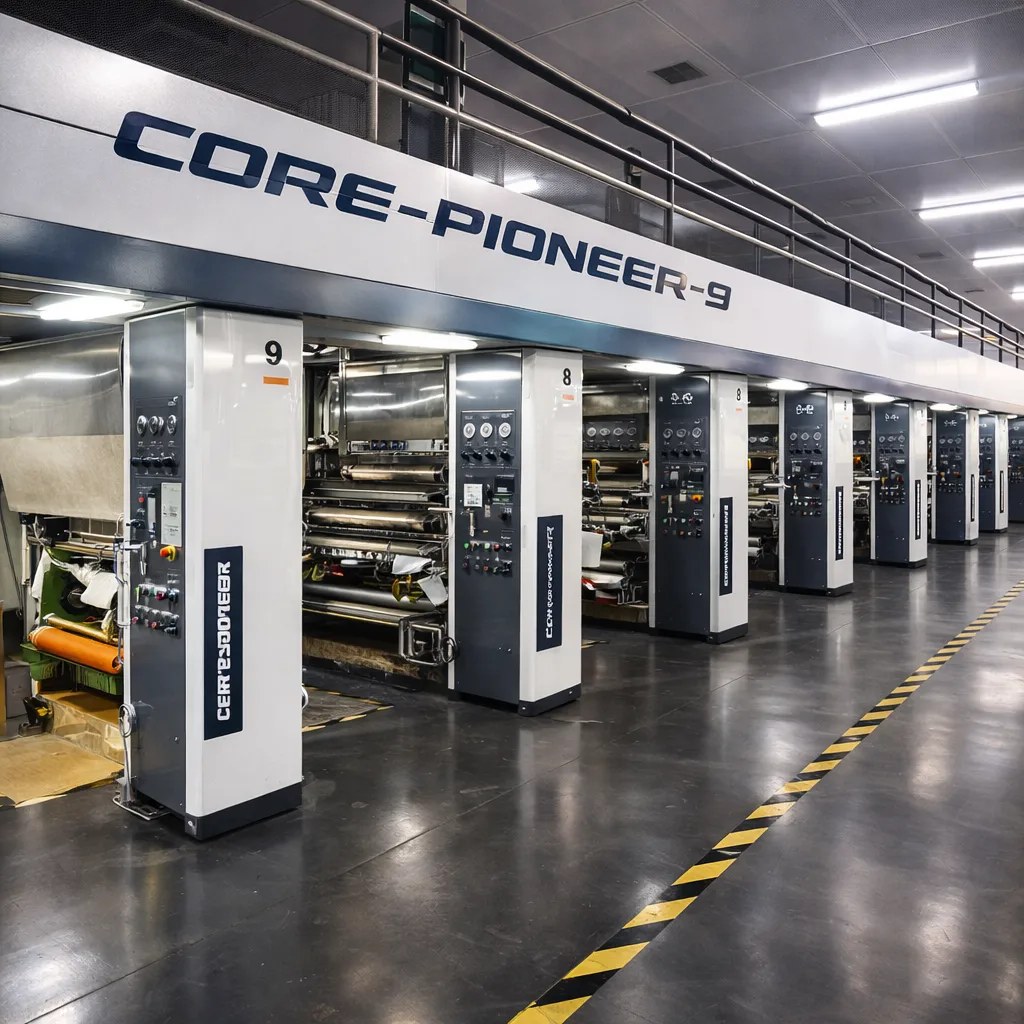
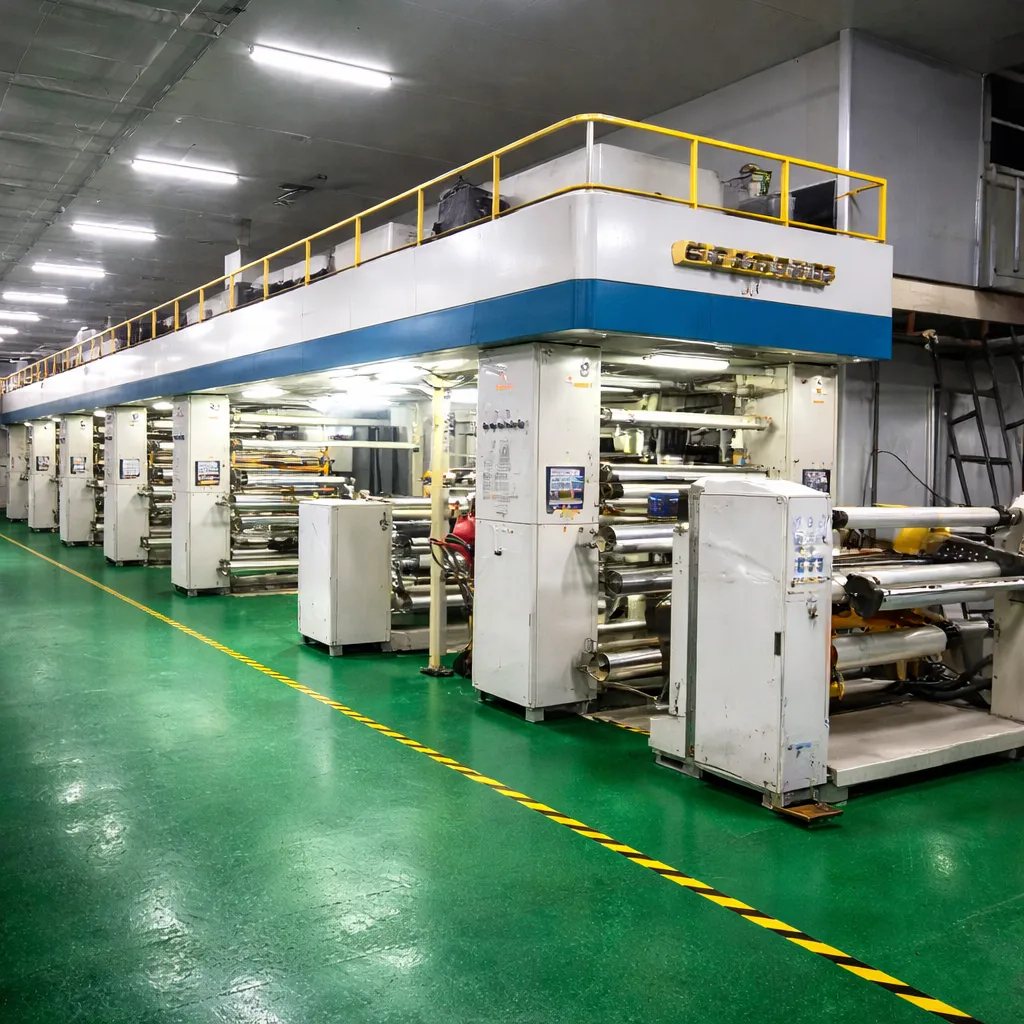
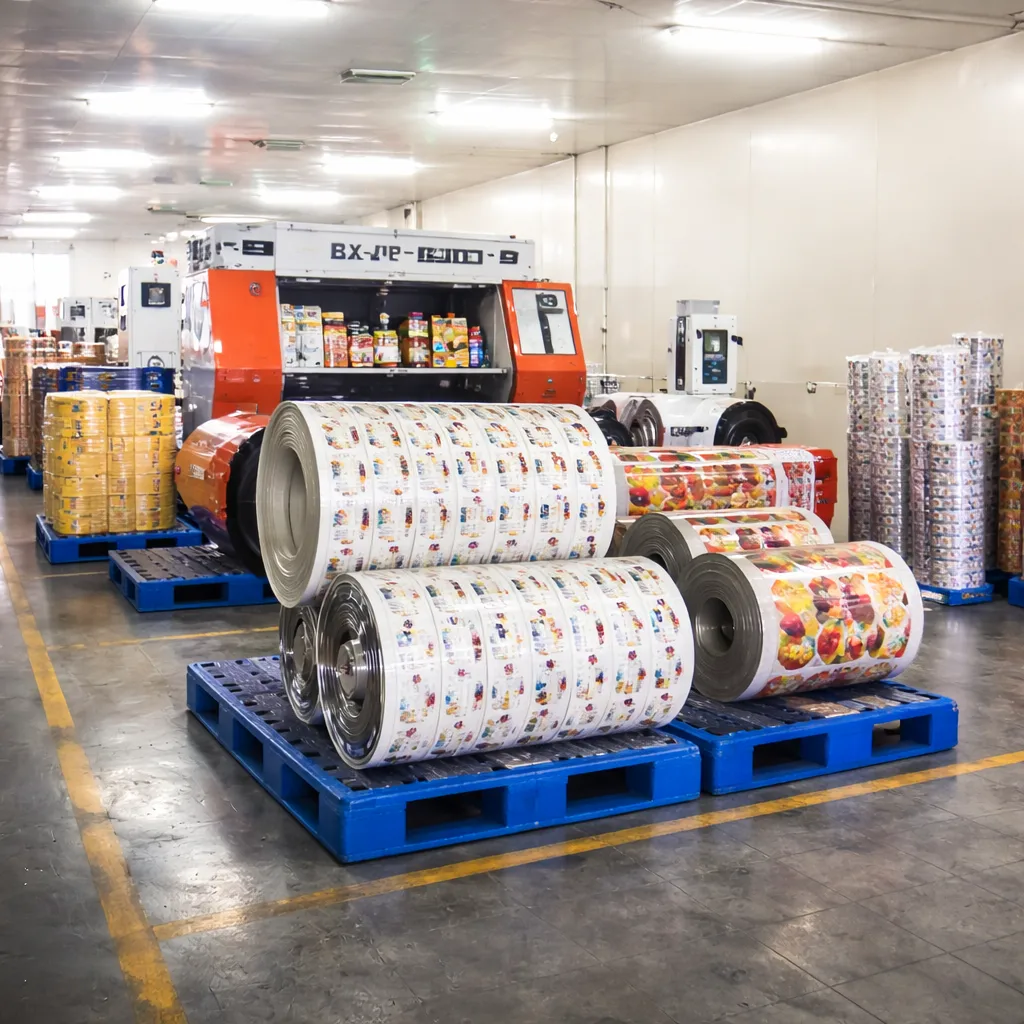
You submit your design along with the strain names, THC or CBD content, and any state-mandated warning symbols your label needs. The supplier runs a digital proof so you can check placement and legibility before printing starts. Once approved, the film gets printed, laminated with the barrier layer, and formed into the finished pouch with its child-resistant closure. Finished bags go through closure testing to confirm they meet CPSC or ASTM standards before they ship.
Skipping the proofing step is the most common reason cannabis brands end up reprinting a batch. A label missing a required warning statement, or sized wrong for a state's minimum font rule, gets flagged during a compliance audit rather than before printing, which costs far more to fix.
Cost Factors for Custom Weed Mylar Bags
Pricing on cannabis mylar packaging moves on a handful of variables. Order quantity is the biggest one: unit cost drops sharply between the 500, 1,000, and 5,000 bag tiers, so ordering in bulk when cash flow allows usually pays off. Print complexity matters too, since full-color strain art costs more than a one-color logo run.
Closure type shifts price as well. A basic push-and-pull CR zipper costs less than a heat-seal reclosable mechanism built for edibles. State-specific testing and certification fees add a layer some brands overlook when comparing supplier quotes, so ask whether certification costs are bundled into the unit price or billed separately.
A small processor ordering 500 bags with a single closure type and one print color pays more per unit than a multi-state operator ordering 20,000 across several SKUs. Requesting quotes at two or three quantity tiers shows exactly where the per-unit price starts to level off.
Choosing the Right Weed Packaging Provider
Picking a packaging partner matters as much as picking the bag itself. What actually separates a reliable supplier from a risky one? Look for current CPSC or ASTM certification documentation, a real proofing step before production, and direct experience with your specific state's labeling rules.
A supplier that focuses specifically on regulated cannabis packaging, like Packagly, will already track which states just updated their child-resistant testing thresholds and can flag a non-compliant bag design before it goes to print. That's different from a general packaging printer that treats a cannabis pouch the same as any other retail bag. Ask any provider directly for their most recent CR closure test results, and confirm the certification date rather than assuming an older approval still applies.
Communication speed matters here too. A supplier who answers labeling questions quickly and keeps proofs on schedule prevents the kind of delay that pushes a product launch past a compliance deadline.
Frequently Asked Questions
What are custom weed mylar bags made from?
They're built from layered polyester film, a foil or metallized barrier layer, and a food-safe inner sealant layer, finished with a child-resistant closure. This construction blocks oxygen, moisture, and light while meeting the safety mechanism most cannabis programs require at retail.
Are custom weed mylar bags child-resistant by default?
No. Standard mylar film isn't child-resistant on its own. The closure mechanism, such as a certified push-and-pull zipper, is what earns the child-resistant rating under testing standards like 16 CFR Part 1700 or ASTM D3475.
How much do custom weed mylar bags cost?
Cost depends on quantity, closure type, print colors, and certification fees. Small orders of a few hundred bags run higher per unit than orders in the thousands. Requesting quotes at two or three quantity levels gives a clearer picture than a single flat estimate.
Do all states require opaque packaging for weed products?
Many do, including California and Colorado, which prohibit packaging a consumer can see through. Other states allow more flexibility. Confirm your specific state's opacity rule before choosing a clear-window bag design.
What certification should I ask a supplier for?
Ask for current CPSC 16 CFR Part 1700 or ASTM D3475 test results on the exact closure mechanism you're ordering, not just a general compliance claim. Certifications can expire or apply only to a specific bag design, so match the paperwork to your order.
How long do custom weed mylar bags keep flower fresh?
A properly sealed, foil-laminate bag with a working child-resistant closure can preserve terpene and cannabinoid quality for several months when stored away from heat and light. Reopening and resealing the bag repeatedly gradually reduces that protection over time.
What's the minimum order quantity for custom cannabis bags?
Minimums vary by supplier and print method. Digital printing typically allows smaller runs, often starting near 250 to 500 units, while traditional plate printing usually needs a larger run to stay cost effective. Confirm minimums before finalizing artwork.
Do I need different bags for flower versus edibles?
Often yes. Edibles frequently require heat-seal reclosable mechanisms and stricter ASTM D3475 testing, since ingestible cannabis products carry a higher regulatory bar than flower in many states. Check your state's specific packaging category rules for each product type.
What size bag works for a standard eighth or ounce of flower?
An eighth, around 3.5 grams, typically fits a small 3.5 by 5 inch pouch. A full ounce usually needs a larger format, often 6 by 9 inches or similar, depending on flower density and whether the bag includes a boost sleeve for structure.
How often do cannabis packaging regulations change?
More often than most brands expect. States regularly update child-resistant testing thresholds, opacity rules, and labeling requirements, sometimes yearly. Checking your state's cannabis regulatory agency site before every reprint avoids ordering a batch that fails a newly updated standard.
Can custom weed mylar bags be recycled?
Standard multilayer cannabis mylar is difficult to recycle through typical municipal programs because of its mixed-material construction. Some suppliers now offer mono-material or compostable alternatives, so ask specifically if sustainability compliance matters in your state or brand strategy.
Do custom weed mylar bags need warning labels printed directly on the bag?
In most regulated markets, yes. States commonly require a universal cannabis symbol, THC content, and specific warning language printed directly on the package rather than on a separate insert. Requirements vary by state, so confirm exact wording and symbol size before your final proof.
Wrapping Up
Getting weed packaging right means balancing shelf appeal with the compliance rules your state actually enforces, and those rules shift often enough that last year's approved bag design isn't a safe assumption this year. Ordering a small proof run before a full production order is the simplest way to catch a labeling or closure issue early. When you're ready to move forward, Packagly can walk you through current closure certifications and pricing tiers based on your product type and state, with no pressure and no guesswork involved