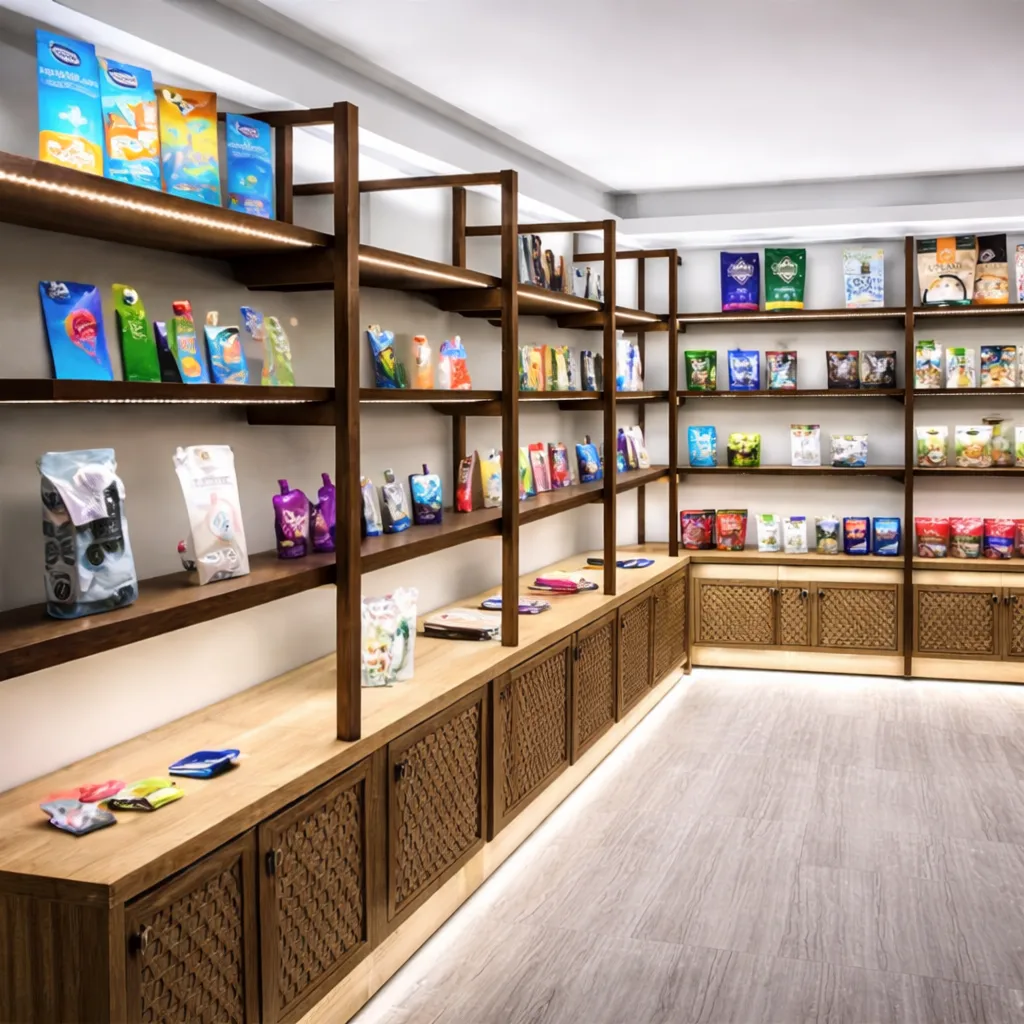


Packagly works with small and mid-size brands every week who need packaging that keeps kids safe without slowing down production. Picking child resistant mylar bags sounds simple until you compare certification levels, seal styles, and price per unit side by side. A wrong choice can mean failed lab tests, delayed shipments, or a product recall nobody wants to explain to a retailer. This guide breaks down the real differences between bag types, what certification actually checks, and how much you should budget before you place an order.
What Child Resistant Mylar Bags Actually Do
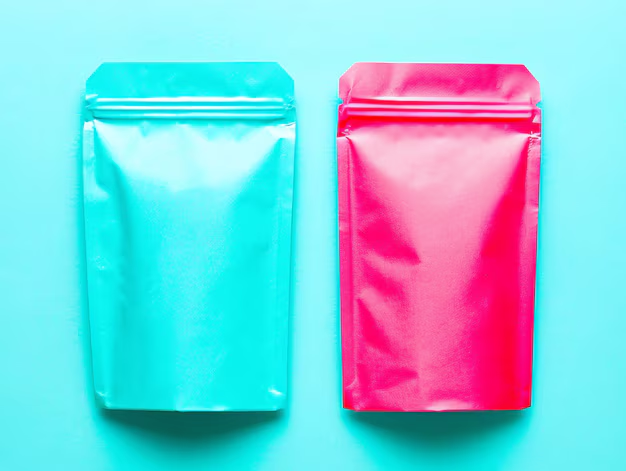
A child resistant mylar bag combines a foil-lined pouch with a locking mechanism that a young child cannot open within a set testing window, while an adult can still open it without a tool. The pouch material blocks light, oxygen, and moisture, so the product inside stays fresh for months. The child-resistant part comes from the closure: a push-lock zipper, a pinch-and-slide track, or a heat-sealed edge that will not peel open by accident.
Who needs this kind of packaging? Cannabis edibles brands, supplement companies, pet product makers, and any business shipping something a curious toddler should never get into. Would you trust a plain zip-top bag to keep a five-year-old out of a container of gummies? Most parents would say no, and regulators agree.
The Poison Prevention Packaging Act of 1970 set the original federal standard for this category, and the Consumer Product Safety Commission still oversees it today. Since that law took effect, pediatric poisoning deaths from regulated household products have dropped by roughly 84 percent (CPSC, 2012). That single number explains why so many states now write child-resistant packaging into their own cannabis and hemp rules.
Types of Child Resistant Mylar Bags and Where Each One Fits
Not every bag on the market carries a true safety certification, and mixing them up can cost a brand its retail license. Some sellers label a bag "child resistant" because it feels sturdy, not because it passed a lab panel test with real children and real adults. Ask your supplier for the actual test report before you sign off on a print run.
Four bag styles cover most use cases: push-and-turn zipper bags, pinch-n-slide track bags, snap-lock double-zipper bags, and heat-sealed flat pouches. Push-and-turn styles suit multi-serving edible packs that need to reseal after every use. Pinch-n-slide bags work well for flower and pre-roll products that customers open often. Heat-sealed pouches fit single-serving items sold at a lower price point, since they cost less to produce but cannot be reopened and resealed.
|
Bag Type |
Avg. Cost per Unit |
Reusable? |
Best For |
Compliance Notes |
|
Push-and-turn zipper |
$0.35–$0.60 |
Yes |
Multi-serving edibles, supplements |
Meets 16 CFR 1700.15(b)(1) when lab-certified |
|
Pinch-n-slide track |
$0.30–$0.55 |
Yes |
Flower, pre-rolls |
Common in state cannabis programs |
|
Snap-lock double zipper |
$0.40–$0.70 |
Yes |
Concentrates, high-value items |
Adds a second locking layer for extra security |
|
Heat-sealed flat pouch |
$0.15–$0.30 |
No |
Single-serving items |
Must meet the 4-mil minimum thickness rule in states like California |
A packaging compliance consultant who reviews cannabis labels for a regional distributor put it this way: brands lose more time fixing a rejected shipment than they ever save by skipping the certification paperwork up front.
How Certification and Testing Actually Work
A bag only earns the "child resistant" label after it passes a standardized panel test. Testers give the closed package to a group of young children first, then to a group of adults, usually seniors between 60 and 75 years old, to confirm the design stays workable for people with reduced grip strength. Industry groups working through ASTM Subcommittee D10.31 helped shape the current testing protocols that most certified suppliers still follow.
Picture a small edibles brand that switched from a standard stand-up pouch to a certified push-and-turn mylar bag after a state inspector flagged their old packaging during a routine audit. The swap added about four cents per unit to their cost, and it kept their retail license active in three states. That kind of trade-off comes up constantly for growing brands, and it rarely feels dramatic until the inspection letter arrives.
California requires edible cannabis packaging to stay child-resistant for the life of the product under Title 4, Section 17412 of the state code, unless each individual serving inside carries its own child-resistant seal. Washington, Minnesota, and Colorado each run similar rules through their own cannabis boards, and a poison control center in Colorado reported that calls about marijuana exposure in children roughly doubled after recreational sales began, which pushed lawmakers to tighten packaging standards further.
What Drives the Price of Certified Bags
Cost swings widely based on order size, print complexity, and certification tier. A brand ordering 5,000 units of a plain foil bag with a one-color logo will pay far less per unit than one ordering 500 units of a fully custom, four-color design. Setup fees for custom tooling and film plates add a fixed cost that only makes sense to absorb once your volume climbs past a few thousand units.
Three factors matter most for pricing. Material thickness affects both cost and shelf life, since a thicker mil rating blocks more light and moisture but raises the per-unit price. Print method changes the budget too: digital printing keeps setup costs low for smaller runs, while offset printing brings the per-unit cost down once you hit larger quantities. Closure type rounds out the list, since a double-zipper or push-and-turn mechanism costs more to manufacture than a basic heat seal.
Do these numbers mean a small brand should skip certification and hope nobody checks? That approach tends to backfire fast, since most state cannabis and hemp programs now require proof of certification before they approve a product label.
How to Choose the Right Supplier
Look past the sales pitch and ask for documentation. A real supplier will hand over a copy of the lab test report, the specific CFR or state code section their bags meet, and a sample you can test yourself before committing to a full print run. A general packaging vendor that prints bags for a dozen unrelated industries often lacks this paperwork on hand, while a specialist that focuses on child-resistant compliance packaging, like Mylar Bags Pro, tends to have every certification document ready to send before you even ask.
Turnaround time matters just as much as price. A supplier quoting a six-week lead time on a standard order might be running a smaller operation than one that can turn around 10,000 units in ten days. Compare quotes from at least three suppliers, request physical samples, and confirm the closure mechanism actually resists a curious child's fingers before you place a bulk order.
Small run flexibility counts too. A startup testing a new product line rarely wants to commit to 50,000 units on day one, so ask any potential supplier about their minimum order quantity and whether they offer a lower-volume trial batch.
Final Thoughts
Picking the right certified child resistant mylar bag comes down to matching your product type, order volume, and state rules to a supplier who can back up every safety claim with paperwork. Get a sample in hand, check the certification number against the CFR section it claims to meet, and confirm your closure style fits how customers will actually use the product. If you want a supplier who keeps this documentation ready and can walk you through the right bag style for your product line, reach out to Packagly for a quote and sample pack.
Frequently Asked Questions
What makes a mylar bag legally child resistant?
A bag qualifies as child resistant only after it passes a standardized panel test with young children and adult testers under 16 CFR 1700.15(b)(1) or an equivalent state code, and the supplier can provide a lab report proving that result.
Are all child resistant mylar bags reusable?
No. Push-and-turn and pinch-n-slide styles reseal after each use, while heat-sealed flat pouches lose their child-resistant status once opened and cannot be resealed to the same standard.
How much do certified child resistant mylar bags typically cost?
Prices usually range from $0.15 to $0.70 per unit depending on closure type, print complexity, and order size, with larger runs bringing the per-unit price down.
Do child resistant mylar bags cost more than standard bags?
Yes, certified closures and lab testing add a few cents per unit compared to a standard non-certified bag, though the difference shrinks as order volume grows.
What thickness do child resistant bags need to meet state rules?
Several states, including California, set a 4-mil minimum thickness for heat-sealed child-resistant packaging that qualifies for single-use compliance.
Do cannabis edibles require multi-use or single-use child resistant packaging?
Most states classify edibles as multi-use, meaning the package must stay child-resistant for the entire life of the product rather than only until first opened.
Can a small business order a low quantity of certified mylar bags?
Many suppliers offer trial batches below their standard minimum order, so ask directly about small-run pricing before committing to a full production order.
What permits or codes should a brand check before choosing packaging?
Brands selling cannabis or hemp products should check their state's specific packaging code, such as California's Title 4, Section 17412, alongside the federal Poison Prevention Packaging Act.
How long do certified mylar bags keep products fresh?
The foil lining blocks light, oxygen, and moisture, which typically extends shelf life to 12 months or more for dry goods when the bag is properly sealed.
Does print method affect the price of custom child resistant bags?
Yes, digital printing keeps setup costs lower for small orders, while offset printing lowers the per-unit price once an order reaches a few thousand units.
What happens if a business uses uncertified packaging by mistake?
A state inspector can flag the product during a routine audit, which may lead to a suspended license or a required repackaging before the product can go back on shelves.
How do I verify a supplier's child-resistant claim before ordering?
Ask for the lab test report number, the specific CFR or state code section it satisfies, and a physical sample you can test with a child in a supervised setting before signing off on a bulk order