

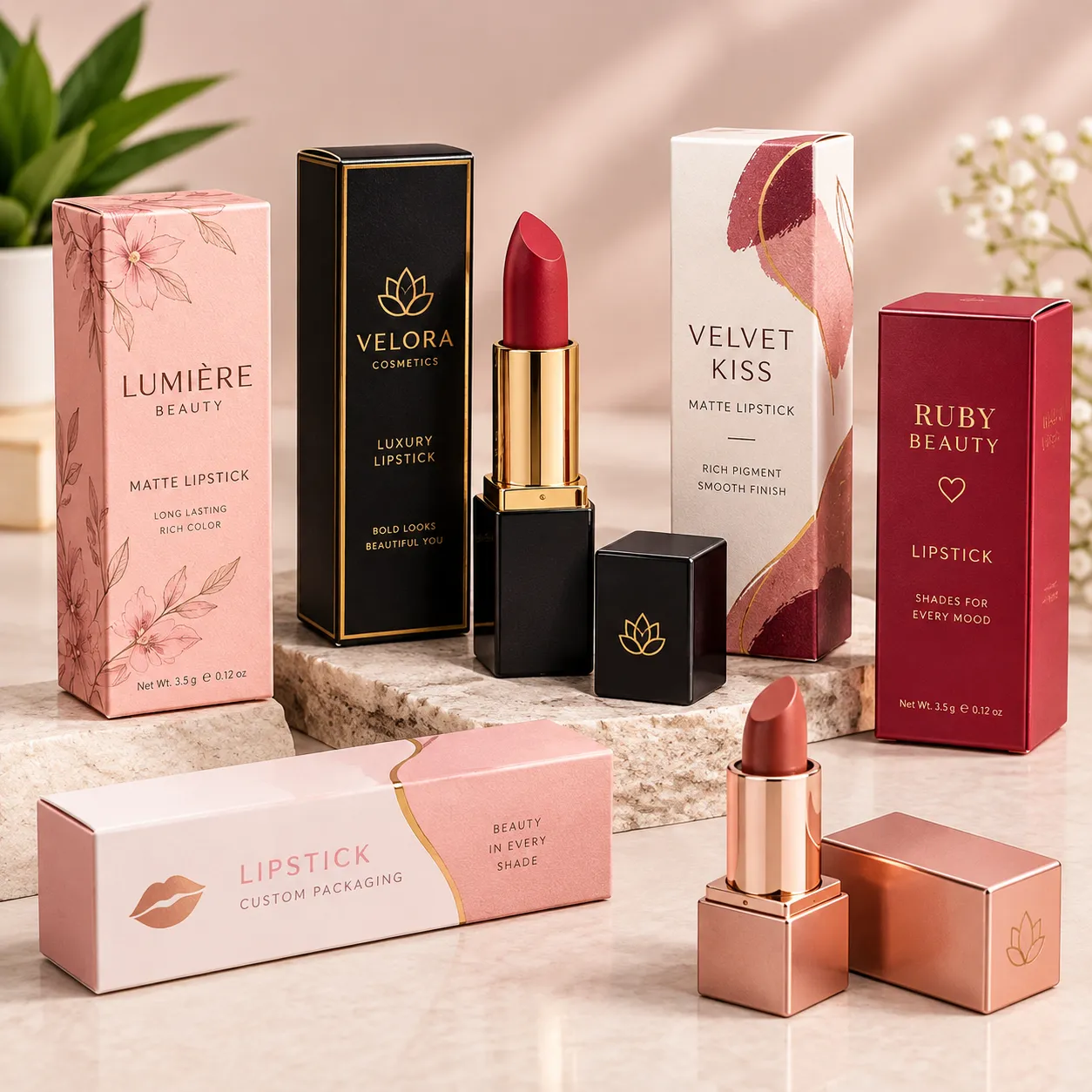
A lipstick is a small product with a big price tag, so the box around it matters. Packagly works with beauty brands that want their packaging to match the quality of the formula inside. Custom lipstick packaging boxes give a new shade its first impression, long before a customer swatches it.
Think about the last lipstick you picked up in a store. Did the box feel heavy and solid, or thin and flimsy? Shoppers decide in seconds, and the carton does much of the talking. According to The Benchmarking Company survey reported by Global Cosmetic Industry (2023), 46% of US female beauty buyers call packaging influential or very influential to their purchase decision.
This guide covers materials, finishes, the production process, pricing, and supplier checks. We keep it practical, so you can brief a manufacturer with confidence. Whether you sell from a boutique in London or an online store in Texas, the same basics apply.
Why beauty founders pick rigid lipstick boxes
A lipstick sells on feel as much as on color. The box sets that tone before the bullet ever twists out. Luxury houses treat packaging as part of the product, not as a wrapper.
Custom lipstick packaging boxes handle three jobs at once. They protect a fragile bullet and tube in transit, they carry your brand story, and they carry the legal text each market requires. A rigid box covers all three better than a thin carton does.
The numbers back this up. The same 2023 Benchmarking Company survey found that 50% of millennial and Gen Z buyers call packaging influential, and 66% of the US female beauty buyers surveyed buy lip color. Lipstick shelves are crowded, so your box works as a quiet salesperson.
According to a packaging engineer at a US cosmetics contract manufacturer, most box complaints start with a loose fit. If the tube rattles, shoppers read the product as cheap. A snug insert fixes that and costs very little.
Materials, finishes, and closures compared
Your choice of board sets both the price and the feel in the hand. Rigid chipboard, usually 1.5 to 3 mm thick and wrapped in printed paper, gives the weighty unboxing that luxury brands want. Folding cartons made from SBS paperboard cost far less and suit large retail runs. Kraft and recycled board suit natural or eco-led lines.
Finishes add the final layer of character. Soft touch lamination gives a velvet feel. Foil stamping and embossing add shine and texture to a logo. Spot UV makes a pattern gleam against a matte background.
Which finish should you pick? Choose one hero effect, such as a foil logo on a matte black box, and keep the rest simple. Restraint reads as luxury.
Closures matter too. Magnetic closure lipstick boxes click shut with a satisfying snap and suit flagship launches. Lid-and-base styles and drawer sleeves feel gentler and suit gift sets. Rigid board can take a ribbon pull or a satin-lined tray for gift collections.
Use the table below as a planning guide. The costs are typical market ranges for 1,000 units, not quotes.
|
Option |
Est. cost per box |
Premium rating |
Best for |
Eco profile |
|
Rigid magnetic-flap box |
$2.00 to $3.80 |
5/5 |
Flagship luxury launches |
Paper wrap, recyclable |
|
Rigid lid-and-base box |
$1.60 to $3.20 |
4.5/5 |
Gift sets and collections |
Paper wrap, recyclable |
|
Drawer sleeve box |
$1.40 to $2.80 |
4/5 |
Limited editions |
Mostly paper, reusable |
|
SBS folding carton |
$0.25 to $0.70 |
3/5 |
Large retail volumes |
Fully recyclable |
|
Kraft folding carton |
$0.30 to $0.80 |
3/5 |
Natural and eco lines |
Recycled content common |
How a custom order moves from dieline to delivery
Every order starts with a dieline, a flat map of your box with fold lines and glue flaps. Your supplier sends one cut to your lipstick size. Then the project follows six steps:
- Brief and quote: share your size, quantity, board, and finishes.
- Artwork: your designer places art and legal text on the dieline.
- Proof: you approve a digital proof, and a physical sample for larger runs.
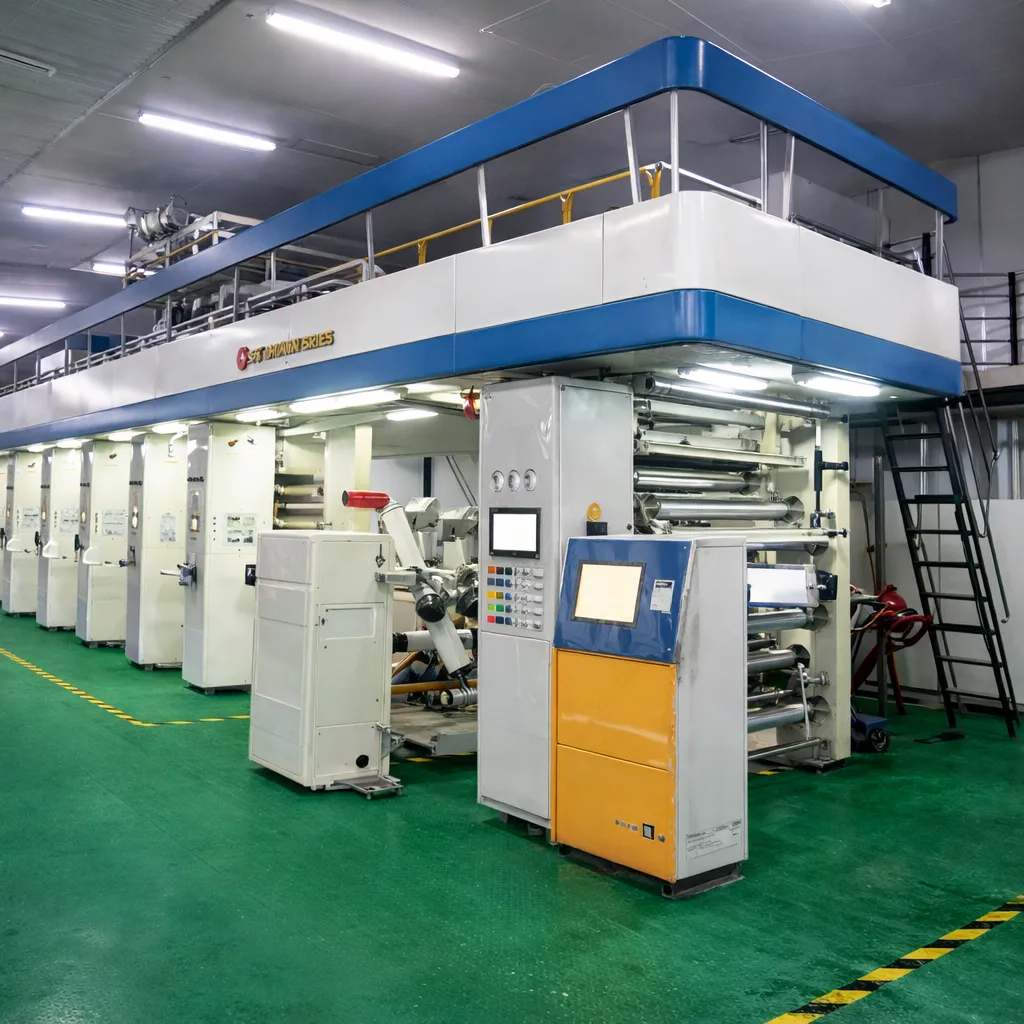
- Printing and finishing: presses lay down color, then lamination, foil, embossing, or spot UV follow.
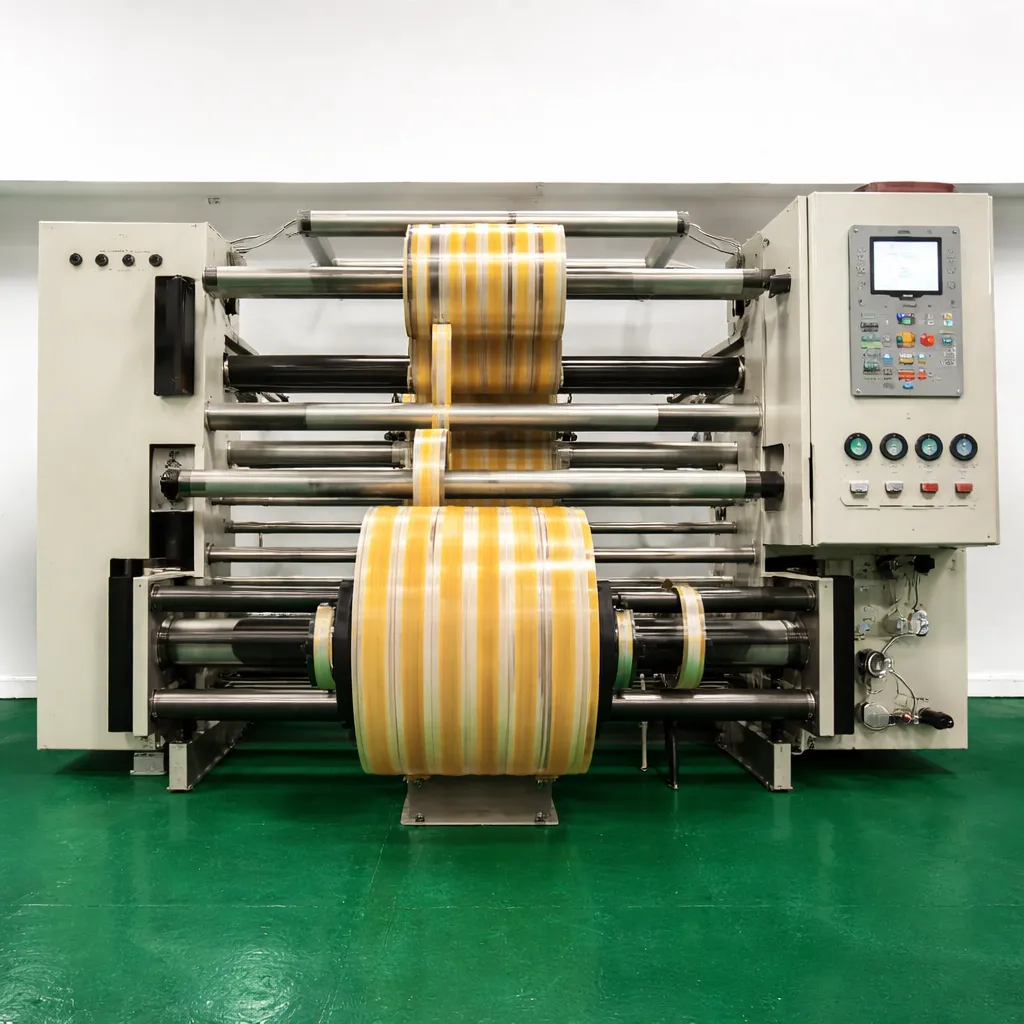
- Cutting and assembly: workers die-cut, wrap, and glue the boards, then fit magnets and inserts.
- Inspection and shipping: the team checks each batch and packs it flat or assembled.
Label rules deserve attention at step two. In the US, the Fair Packaging and Labeling Act and FDA cosmetic rules require the outer box to show the product name, net quantity, and ingredient list. The Modernization of Cosmetics Regulation Act of 2022 added a contact line for adverse event reports. UK and EU rules call for a batch number, a period-after-opening symbol, and a responsible person address. Canada requires bilingual English and French labels. Confirm the final wording with a regulatory adviser before you print.
Pricing and supplier choice for wholesale lipstick boxes
What moves the unit price
Why does one box cost $0.60 in one quote and $3.00 in another? Five factors explain most of the gap: quantity, board type, finishes, inserts, and box size. Setup costs for tooling and printing plates spread across the run, so doubling the order often trims the unit price noticeably.
As a planning guide, a rigid lipstick box at 1,000 units often lands between $1.60 and $3.80. A foil logo adds roughly $0.15 to $0.40 per box. A magnetic closure adds $0.30 to $0.60, and a custom insert adds $0.20 to $0.80. Suppliers price differently, so treat these as rough figures.
Take a founder in Manchester launching eight shades. She prints one box design with a color band for each shade instead of eight separate designs. Setup costs fall, and the range still reads clearly on the shelf.
What to ask before you order
Whether you shop for lipstick box suppliers in the UK, Canada, or the USA, these six questions separate serious box makers from resellers:
- What is your minimum order, and can I run a small batch first?
- Can I see a physical sample of the board and finish?
- Which finishes do you run in-house?
- What is the typical turnaround, and what delays it?
- Do you provide dieline templates and design help?
- How do you ship, and what does it cost?
A box maker that works on cosmetic cartons daily, like Packagly, tends to answer these quickly. That company lists eyeliner, eyeshadow, eyelash, and cream boxes in its cosmetic range. It offers foiling, embossing, spot UV, and matte or gloss lamination, and it sets no fixed order-size limit. It quotes a typical turnaround of 6 to 8 working days, ships flat, and sends orders to more than 30 countries. A general print shop or a national chain may stock only a handful of box sizes. A cosmetics specialist works from lipstick dielines and advises on insert fit, which can save you a costly sample round.
Common questions about lipstick box orders
What are custom lipstick packaging boxes?
They are boxes made to your exact lipstick size, brand colors, and finish. Most use rigid board or folding carton, with an insert that holds the tube firmly. Brands order them in bulk to protect the product and build a recognizable look.
How much do custom lipstick boxes cost?
Rigid boxes usually cost $1.60 to $3.80 each at 1,000 units. Folding cartons run $0.25 to $0.80. Finishes, inserts, and magnetic closures add to those figures, and larger orders lower the unit price. Always compare quotes with the same specs.
What is the minimum order for custom lipstick boxes?
Minimums vary by supplier and box type. Rigid boxes often start at 500 units, and folding cartons at 250 to 1,000. Some box makers set no fixed limit, so ask for a small test run before you commit to bulk orders.
Which material suits luxury lipstick boxes?
Rigid chipboard wrapped in coated or textured paper gives the heaviest, most premium feel. Pair it with soft touch lamination, foil, or embossing. Choose a recycled or kraft board if your brand leads with sustainability. Both options hold sharp color and fine logo detail.
How long does production take for lipstick boxes in the USA?
Most suppliers quote two to four weeks for rigid boxes after proof approval. Folding cartons often move faster. Some box makers quote 6 to 8 working days for simpler orders. Add time for samples and shipping. Plan your launch date backward from the delivery window.
Do lipstick boxes need FDA labeling in the United States?
Yes. The outer box of a retail cosmetic must show the product name, net quantity, ingredient list, and a contact for adverse event reports, under FDA rules and MoCRA. Lipsticks that carry color additives must list them in the ingredient declaration. Check final copy with a regulatory adviser.
What labels does the UK require on cosmetic boxes?
UK rules call for the responsible person’s name and address, batch number, a period-after-opening symbol or best-before date, product function, precautions, and a full ingredient list. Print legible text in English. Check final wording with a regulatory adviser. Plan space for all of it on the dieline.
Can I order small batches from suppliers in Canada or Australia?
Many suppliers ship worldwide, and some accept small test runs. Confirm duties, import taxes, and delivery times before you order. Canadian labels need English and French text. Australian labels must meet the national cosmetic information standard. Ask each supplier for a written lead time.
Are rigid lipstick boxes durable in hot or humid climates?
Rigid board holds its shape well, but moisture can warp paper wraps and weaken glue. In humid places such as Florida or Queensland, ask for moisture-resistant lamination and store boxes in a dry room. Avoid leaving stock in hot vehicles.
How much extra do foil stamping and embossing cost?
Foil stamping usually adds $0.15 to $0.40 per box, depending on the logo size and foil color. Embossing adds a similar amount plus a one-time tooling charge for the metal die. Combining both on one panel raises the price further.
Your next step is simple. Measure your lipstick tube, pick a quantity, and choose one or two finishes. Then ask Packagly for a free quote and request a sample of the board you like. Compare that quote with one other supplier, line by line. You do not need a huge budget to start, because a small first run lets you test the market. A well-chosen box costs less than a reprint, and it gives every shade a strong first impression on the shelf or the doorstep