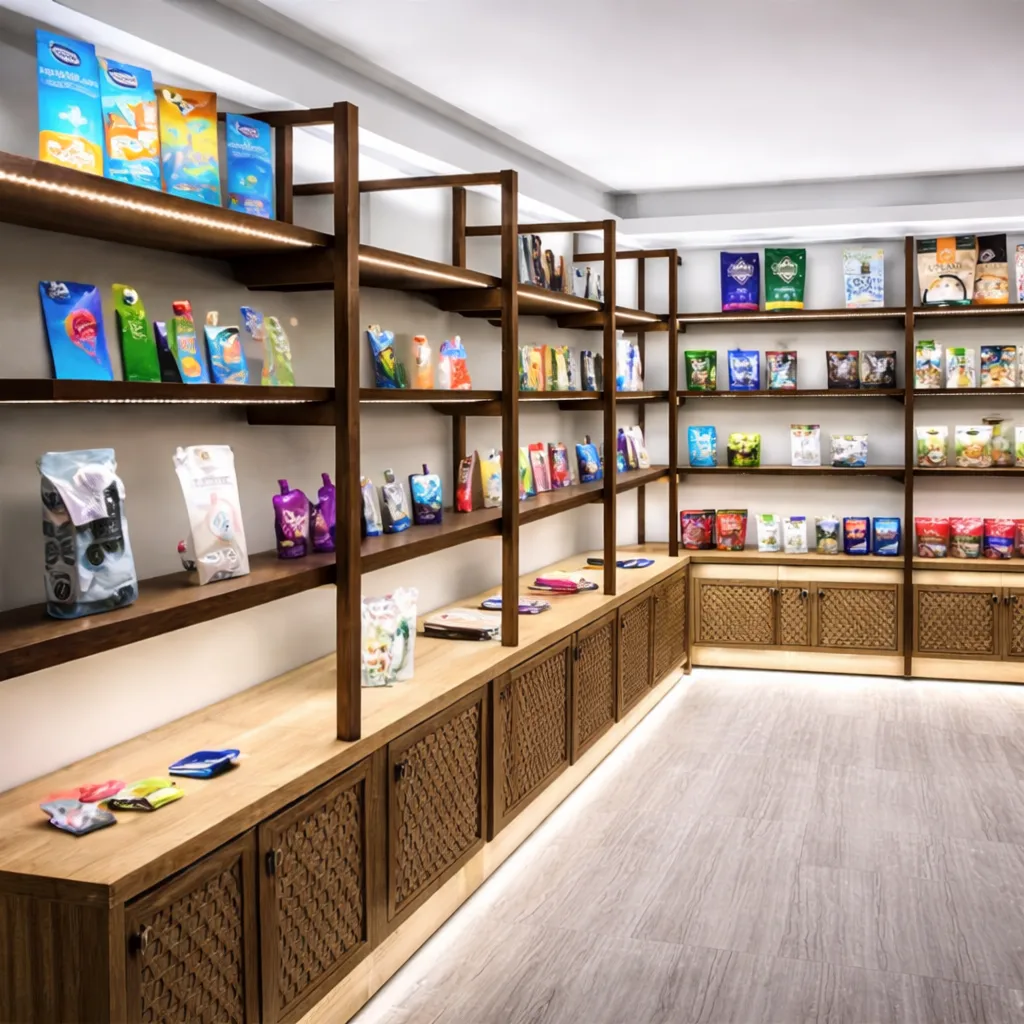


A coffee roaster spends months perfecting a blend, then ships it in a bag that tears at the seam or lets the aroma escape within a week. That gap between product quality and packaging quality is where many food and beverage brands lose customer trust. Tea & coffee bags do more than hold product; they protect freshness, carry your branding, and shape the first impression a customer gets before they even open the pouch. Companies such as Packagly work with roasters, tea blenders, and packaged goods brands to close that gap, matching material choice, barrier protection, and print finish to the product inside. Whether you sell single-origin beans, loose leaf tea, or ready-to-brew sachets, the packaging decisions you make now affect shelf life, unboxing experience, and repeat purchases later. This guide walks through the materials, the production process, the cost drivers, and the questions worth asking before you place your next packaging order.
Why Premium Packaging Matters for Tea and Coffee Brands
Flexible pouches, stand-up bags, and lined sachets used to package roasted beans, ground coffee, and loose leaf or bagged tea fall under one general category: tea & coffee bags. Unlike generic plastic bags, these pouches carry specific barrier layers that block oxygen, moisture, and light, since all three break down flavor compounds over time. Have you ever opened a bag of coffee that smelled flat before you even brewed it? That staleness usually comes down to a packaging choice, not the roast itself.
Brands choose dedicated packaging for three main reasons. Freshness protection keeps the product usable for its full shelf life, which matters more for coffee than most food categories because ground beans lose aroma within days of exposure to air. Packaging also works as a marketing surface, since a well-printed pouch with a clear window or matte finish signals quality before a customer tastes anything.
Format flexibility matters too. A single-serve sachet suits a hotel amenity program. A one-kilogram stand-up pouch with a valve suits a wholesale roaster shipping to cafes, and picking the right combination of material, closure, and print finish early saves reprints and returns later.
Material and Bag Types: Comparing Your Options
Not every pouch performs the same job. A tea bag with a thin outer layer needs less oxygen protection than a bag of dark roast coffee releasing carbon dioxide for weeks after roasting. Matching material to product prevents two common problems: paying for barrier protection you do not need, or under-protecting a product that goes stale fast.
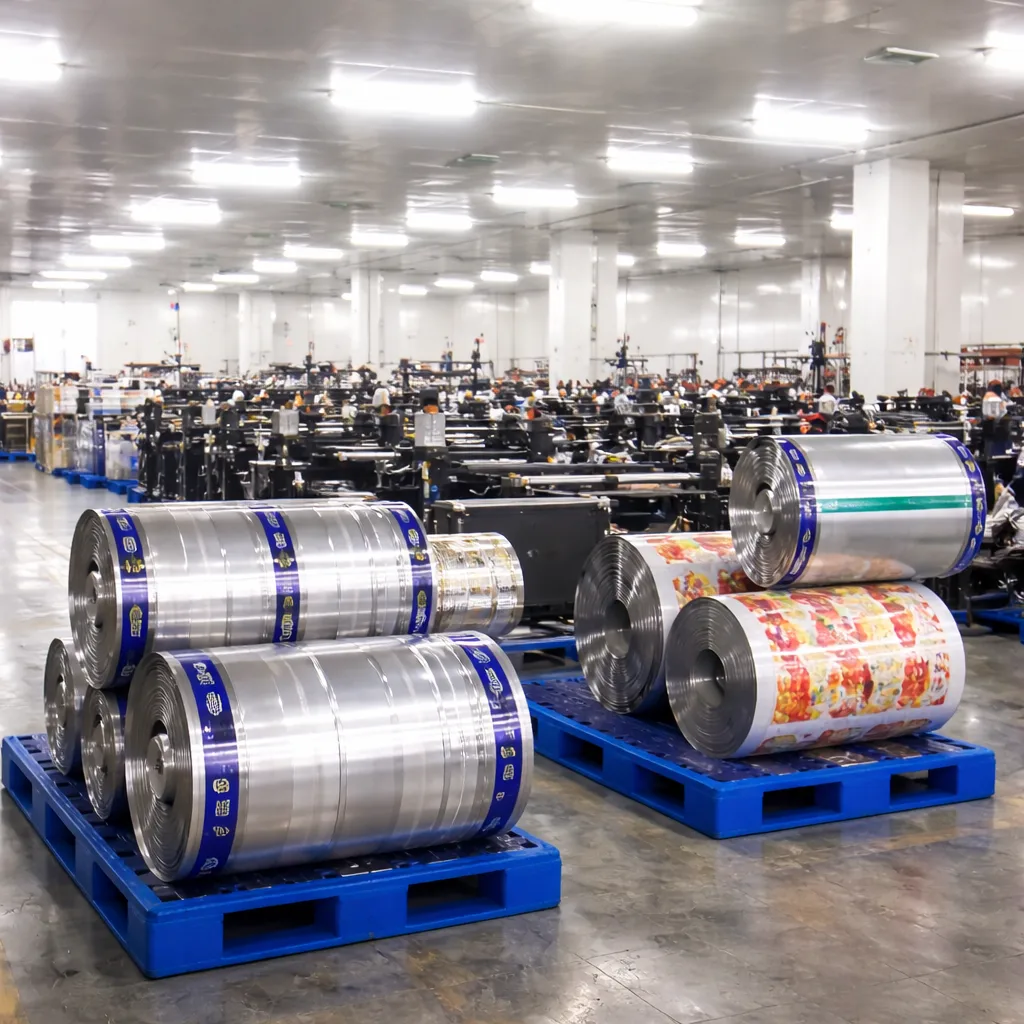
Kraft paper pouches suit teas and lighter, quick-turnover coffee where a natural look matters more than a long shelf life. Foil-lined mylar bags add a metallized layer that blocks light and oxygen far better, which is why most specialty coffee roasters use them for ground and whole bean products. Compostable pouches use plant-based films and are gaining ground with brands that want a lower environmental footprint without giving up barrier performance. Stand-up pouches with a one-way degassing valve let fresh-roasted coffee release carbon dioxide without letting oxygen back in, which keeps a bag from bulging or bursting on the shelf.
The table below breaks down how these four options compare on cost, protection, and best use case.
|
Material |
Best For |
Barrier Protection |
Approx. Cost |
|
Kraft Paper Pouch |
Everyday tea, light-roast coffee |
Moderate |
$ |
|
Foil-Lined Mylar Bag |
Ground and whole bean coffee |
High |
$$ |
|
Compostable Pouch |
Eco-focused tea and coffee brands |
Moderate to High |
$$ |
|
Stand-Up Pouch with Valve |
Fresh-roasted coffee needing degassing |
High |
$$$ |
The Process Behind Custom Coffee and Tea Packaging
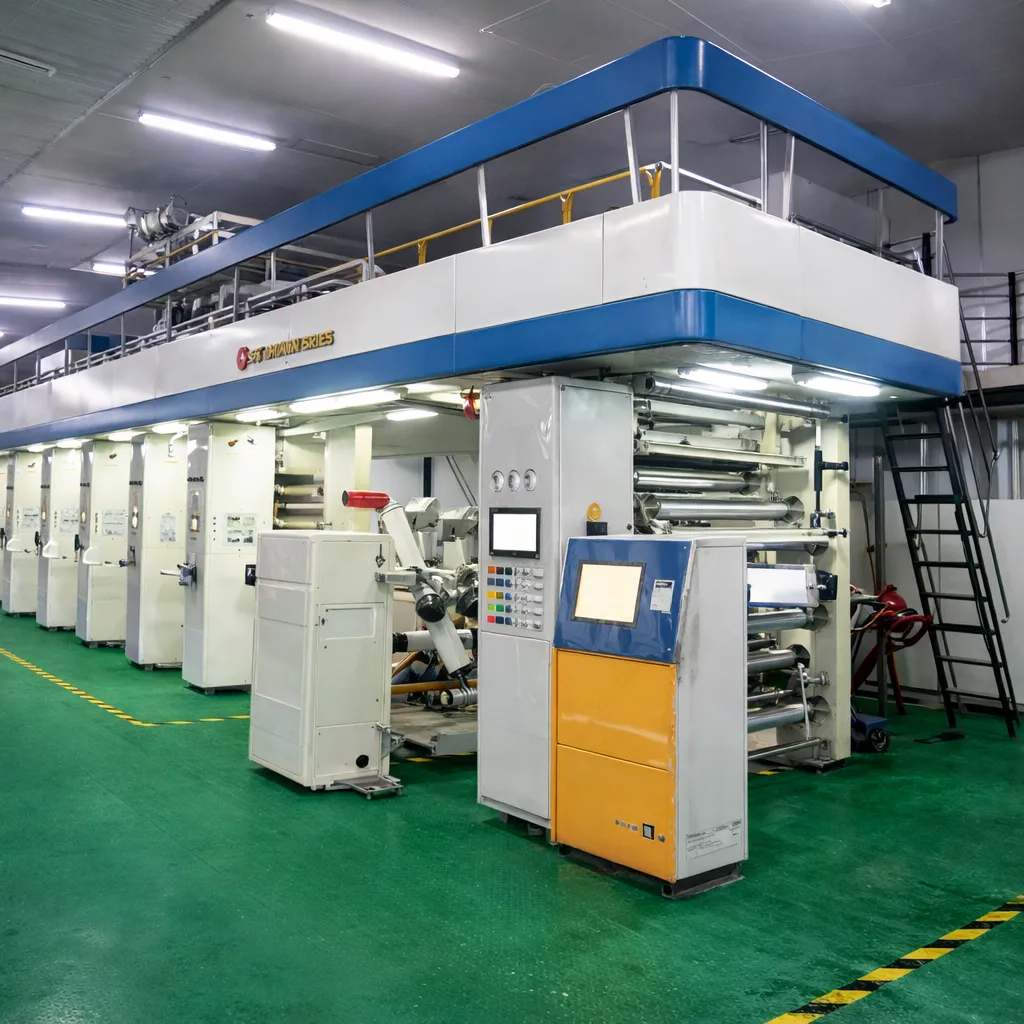
Ordering custom pouches follows a fairly predictable sequence, though the details shift by supplier and order size. It starts with material selection, where a brand picks the bag type, size, and barrier level based on the product inside and the comparison above. Structural design comes next: gusset width, zipper or tin-tie closure, valve placement, and tear notch position all get finalized before artwork begins.
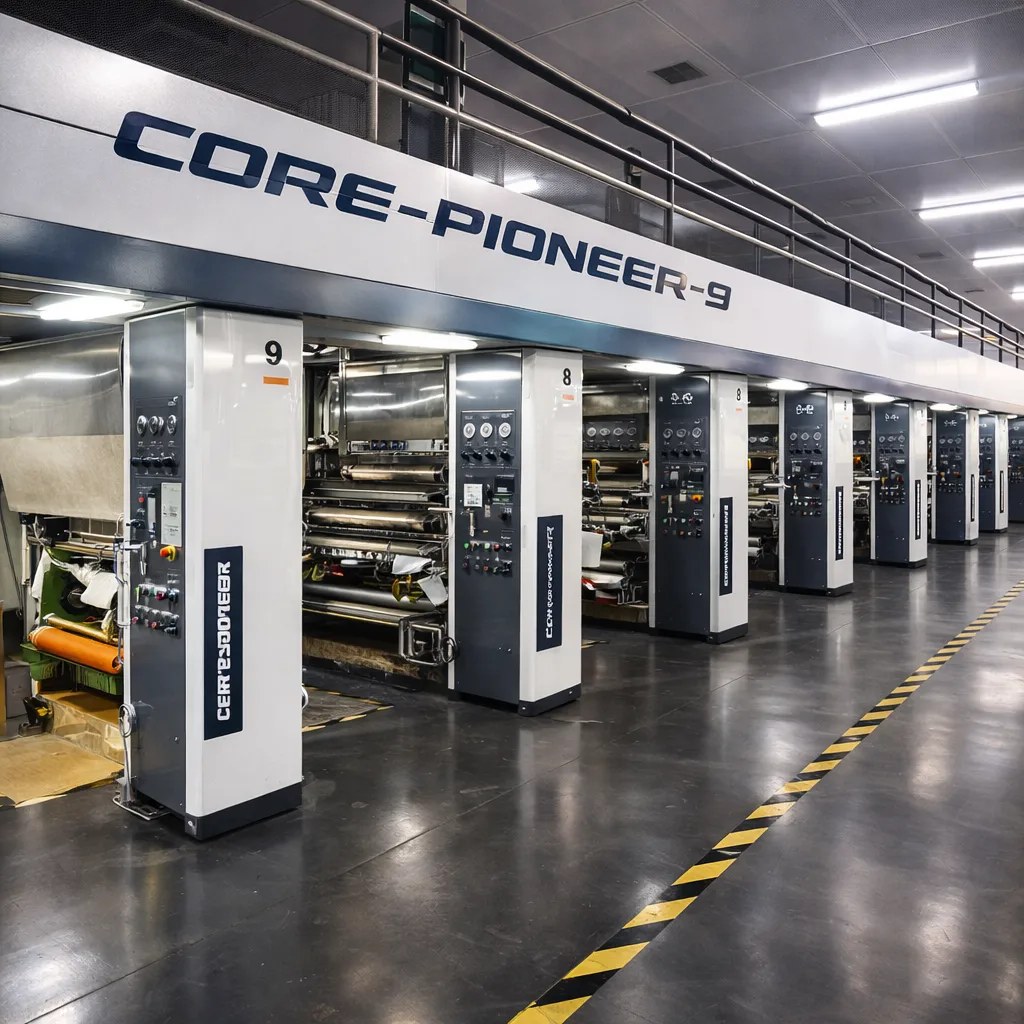
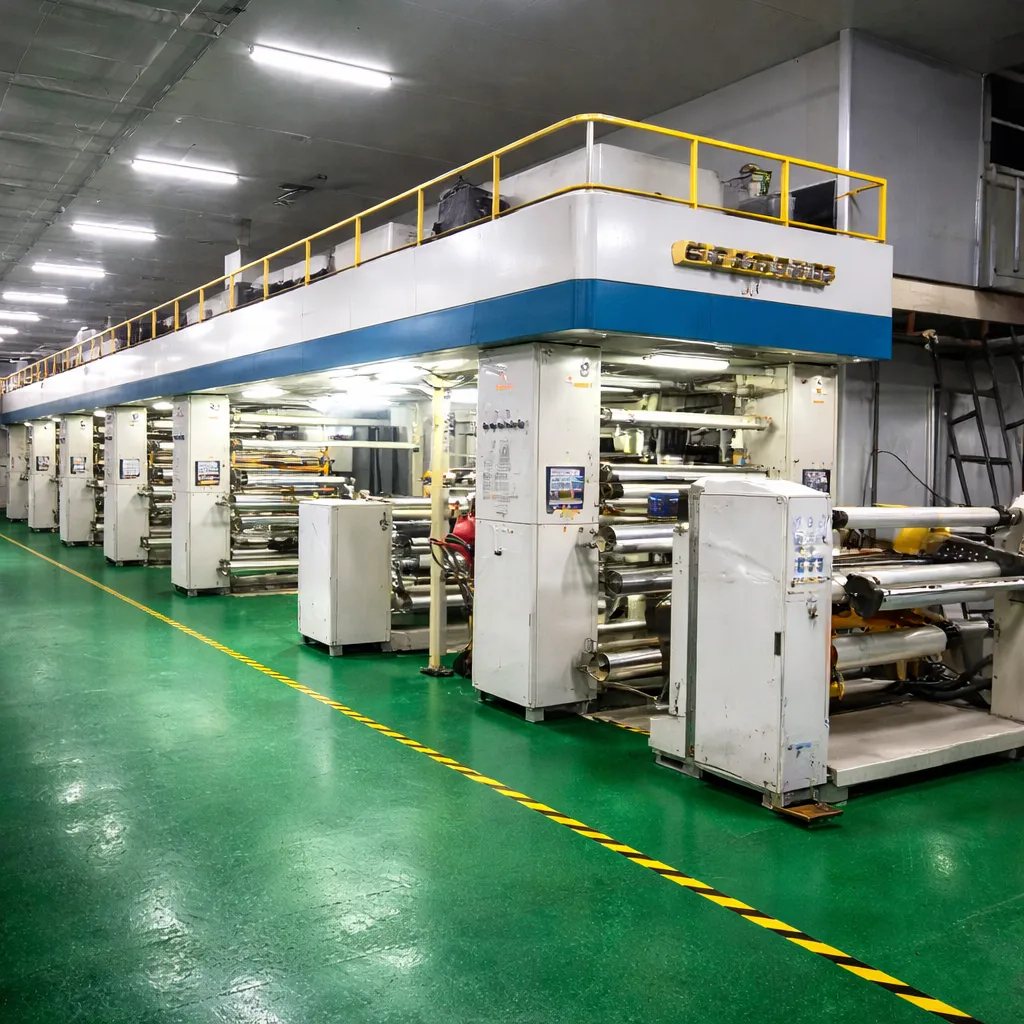
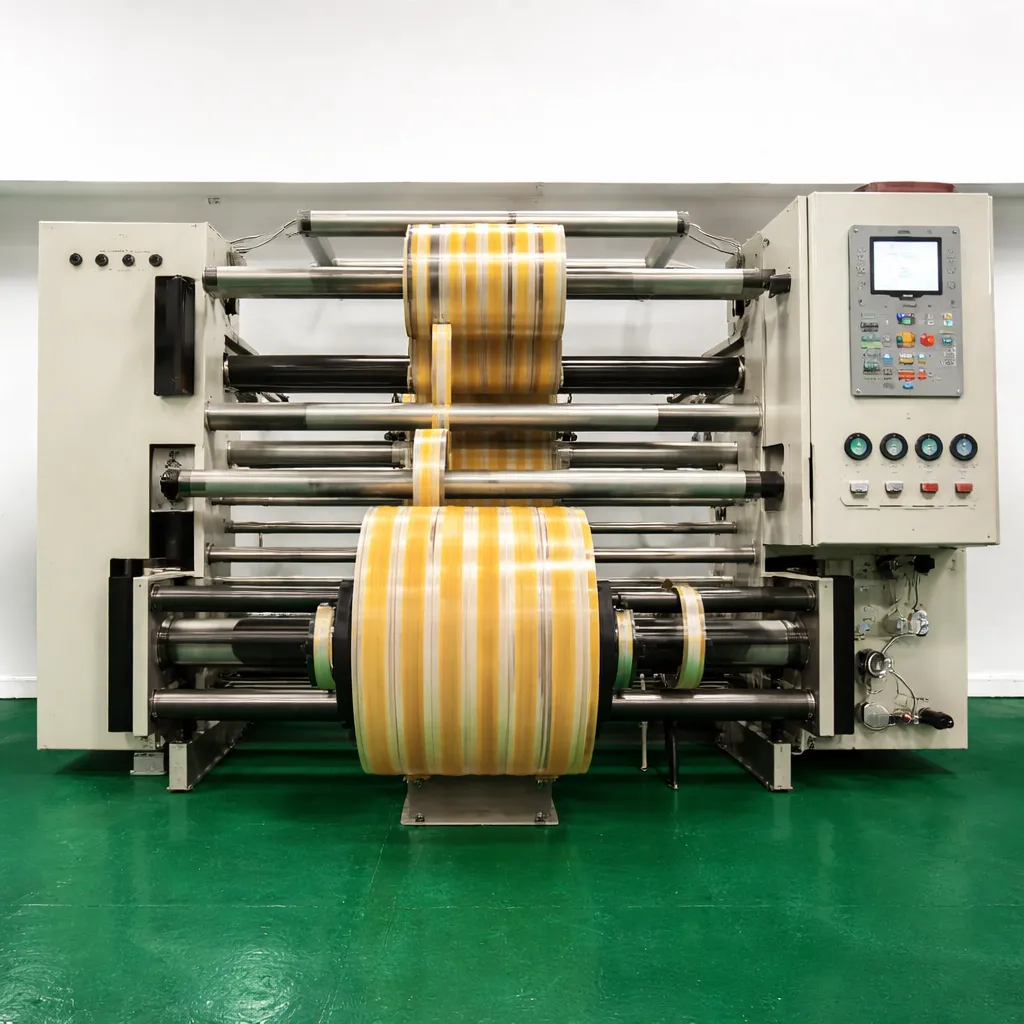
Artwork and print setup follow. A designer prepares print-ready files, and the printer runs a proof, sometimes a physical sample, so the brand can check color accuracy against Pantone references before a full production run starts. Rotogravure and flexographic printing dominate large orders because they hold color consistency across thousands of units. Digital printing handles smaller test batches instead, without the setup cost of a full print cylinder.
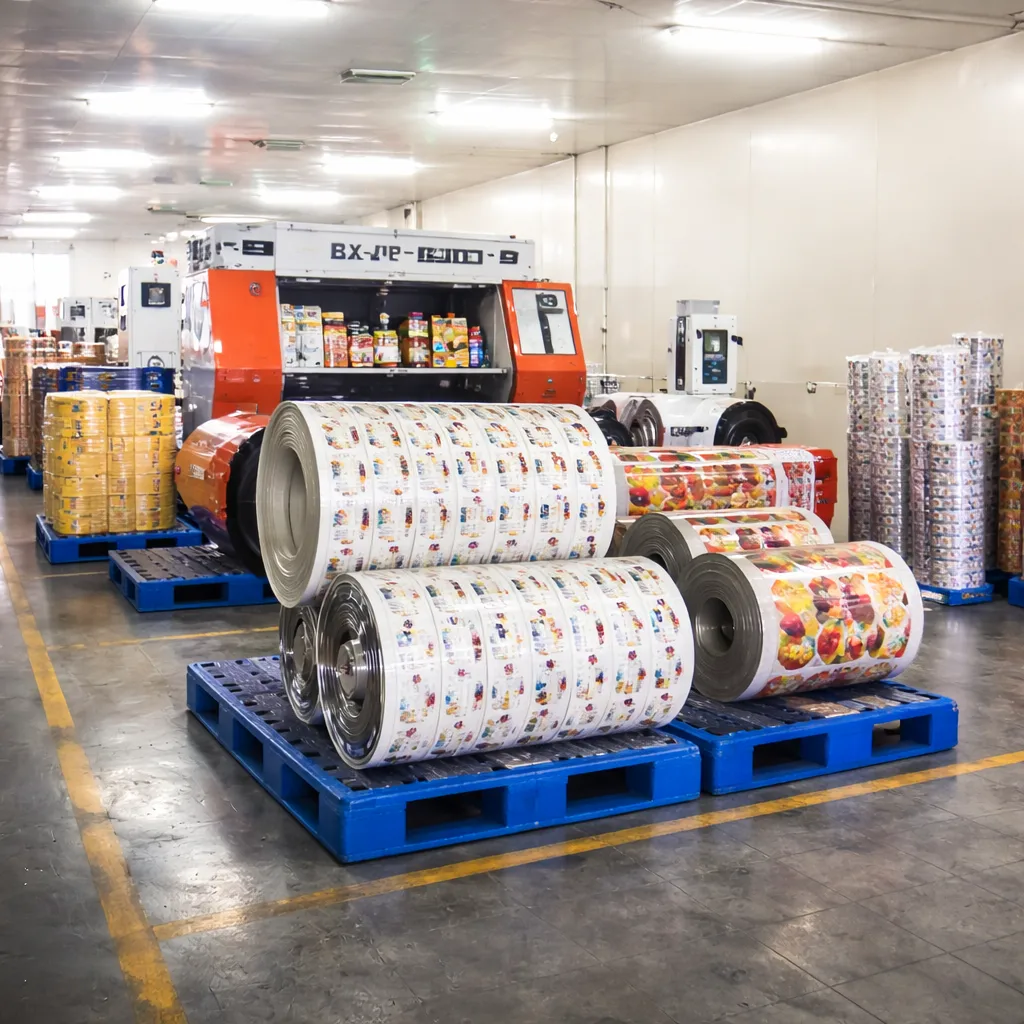
Production and quality control follow, where seals get pressure-tested and print registration gets checked against the approved proof. Packing and shipping close out the process, with most suppliers offering palletized freight for bulk wholesale orders and smaller parcel shipping for startup-size runs. A realistic timeline for a first custom order runs four to eight weeks from approved artwork to delivery, longer if the brand needs a new die line for an unusual pouch shape.
Cost Factors for Coffee and Tea Packaging
Price per bag depends on five variables: material, size, print complexity, order quantity, and added features like a valve or zipper. A plain kraft pouch with one spot color can run a fraction of the cost of a full-color, foil-lined stand-up pouch with a degassing valve. Order volume matters most of all, since setup costs for plates or cylinders get spread across the full run; a 500-unit order carries a much higher per-bag cost than a 20,000-unit order using the same design.
Market demand backs up why brands keep investing in better packaging despite the cost. According to IMARC Group (2025), the global coffee packaging market was valued at close to 910 million dollars in 2025, with continued growth tied to sustainable material adoption and single-serve formats. Separate industry data from Business Research Insights (2025) shows flexible packaging now makes up more than 58 percent of coffee packaging volume worldwide, a sign of how far pouches have overtaken rigid cans and tins for everyday sales. That demand curve is exactly why tea & coffee bags keep evolving toward lighter, more sustainable materials.
Print method changes cost too. Digital printing avoids plate charges, so it suits short runs and frequent design changes. Offset and rotogravure printing cost more upfront but bring the per-unit price down sharply at higher volumes. Foil stamping and spot UV coating add a premium finish for a limited part of the design rather than the full bag, which controls cost while still making a logo stand out.
How to Choose the Right Packaging Partner
Picking a supplier matters as much as picking a material. Start by asking whether the company holds current food-safe certification for the materials it prints and seals, since packaging that touches food directly falls under FDA rules for food contact substances, covered under 21 CFR Parts 170 to 199 in the United States. A supplier who can produce a certificate of compliance on request is one that takes this seriously.
A licensed packaging consultant working with specialty coffee brands puts it plainly: "Roasters lose more product to bad seals than bad roasting." That line holds up in practice. One small-batch tea brand switched from a generic stock pouch to a custom kraft bag with a resealable zipper after customers complained the tea went stale within a week of opening. The switch cut complaints to almost zero within two months.
A general packaging distributor can sell a stock bag off the shelf, but a specialist that works exclusively on this category, such as Packagly, has already solved problems like valve placement, seal strength, and print adhesion on foil that a generalist has not encountered yet. Ask any potential supplier for samples of bags they have made for products similar to yours, request their minimum order quantity in writing, and confirm turnaround time before signing off on a print run.
Frequently Asked Questions
What are tea & coffee bags typically made from?
Most tea & coffee bags use kraft paper, foil-lined mylar film, or compostable plant-based film, sometimes combined with an inner poly layer for moisture resistance.
How much do custom coffee bags cost per unit?
Per-unit cost usually ranges from a few cents for basic kraft pouches to well over a dollar for foil-lined, full-color bags with a valve, depending on order size and finish.
What is the minimum order quantity for custom coffee bags?
Minimums vary by supplier and printing method. Digital printing often allows orders as low as 500 to 1,000 units, and rotogravure runs typically start much higher.
Are compostable tea and coffee pouches food safe?
Reputable compostable pouches use FDA-approved food contact films, so they are safe for direct product contact when sourced from a certified supplier.
Do coffee bags need a degassing valve?
Freshly roasted coffee releases carbon dioxide for one to two weeks, so a one-way valve is recommended for whole bean and ground coffee packed soon after roasting.
What packaging regulations apply to coffee and tea bags in the US?
Materials that touch food directly must comply with FDA food contact substance rules under 21 CFR Parts 170 to 199, which restrict chemical migration into the product.
How long do resealable coffee bags keep beans fresh?
A properly sealed foil-lined bag with a valve and zipper can keep coffee fresh for six to twelve months unopened, and about two to three weeks once opened.
What printing method works best for coffee bag branding?
Offset and rotogravure printing give the sharpest detail for large runs, digital printing suits smaller or frequent-change orders, and foil stamping highlights logos on premium lines.
Can tea and coffee bags be recycled?
Standard foil-lined mylar bags are not curbside recyclable in most areas. Mono-material and some compostable pouches can be recycled or composted, depending on local facilities.
What size bags work best for wholesale tea and coffee orders?
Wholesale buyers typically order one-pound or one-kilogram stand-up pouches for coffee and bulk kraft bags for loose leaf tea, though case-pack sizes vary by retailer.
How do I choose between kraft paper and foil-lined bags?
Choose kraft paper for lighter-roast coffee or tea sold quickly, and foil-lined bags for dark roast or long shelf-life products that need stronger oxygen protection.
Getting Your Packaging Right
Good packaging is not an afterthought once your tea or coffee is ready to sell; it is part of the product itself. Get the material right for your specific product, keep the print process matched to your order size, and confirm food-safety compliance before your first shipment goes out. If you want a packaging partner that already understands the details covered here, reach out to Packagly for sample pouches and a quote based on your product type and order volume. A short conversation now can save a reprint later