

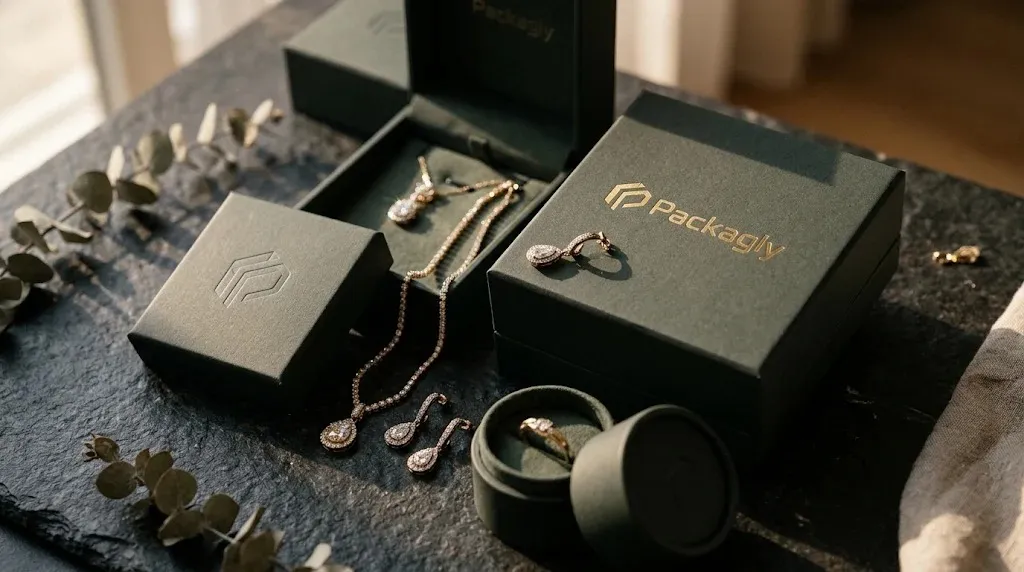
Luxury jewelry is often purchased for more than its appearance. Customers associate it with personal milestones, meaningful gifts, craftsmanship, and lasting memories. The packaging surrounding a piece of jewelry becomes part of that experience. Before customers see the necklace, bracelet, ring, or earrings, they interact with the box that holds it.
For jewelry businesses, Packagly offers an opportunity to explore custom packaging solutions that combine presentation, protection, and brand identity. Thoughtfully designed custom jewelry packaging boxes can make a product feel more valuable while creating a consistent impression across retail purchases, gift orders, and online deliveries.
The most effective packaging does not simply look expensive. It reflects the personality of the jewelry brand and makes opening the box feel intentional.
Why Luxury Jewelry Brands Need Thoughtful Packaging
Jewelry is a highly personal product. A customer buying a delicate gold chain may expect a different presentation from someone purchasing a bold statement ring or a handcrafted gemstone bracelet. Packaging should reflect those differences without making the overall brand experience feel inconsistent.
Well-designed jewelry packaging serves several purposes.
It protects delicate pieces from scratches, movement, dust, and unnecessary contact with other items. It also provides space for branding, product information, care instructions, and personalized messages.
For luxury brands, packaging can strengthen recognition. When customers repeatedly encounter the same colors, textures, logo placement, and finishing details, those elements gradually become associated with the brand itself.
Packaging also influences gifting. A carefully presented jewelry piece feels ready to give, reducing the need for additional wrapping and making the purchase more convenient.
Choose a Box Structure That Reflects the Jewelry
The structure of a jewelry box should be selected according to the product's dimensions, weight, and presentation requirements.
Rigid Boxes for a Premium Presentation
Rigid boxes are a popular choice for luxury jewelry because their sturdy construction creates a substantial feel. They retain their shape and provide a protective enclosure for delicate products.
A hinged-lid design can create a refined presentation, while a two-piece lid-and-base structure offers a traditional luxury appearance. Magnetic closures are another option for brands looking for a clean, modern opening experience.
For businesses exploring premium construction, custom rigid packaging boxes provide a useful starting point for considering materials, dimensions, and finishing possibilities.
Drawer-Style Packaging for a Refined Reveal
Drawer boxes introduce a different opening experience. The inner tray slides out gradually, allowing the jewelry to appear in a controlled and attractive way.
This structure works particularly well for necklaces, bracelets, and coordinated jewelry sets. A ribbon pull can make the tray easier to open while adding a decorative detail.
Compact Boxes for Everyday Collections
Not every luxury product requires an oversized presentation. Small earrings, rings, and delicate pendants often look better in compact packaging designed around the actual dimensions of the item.
A well-fitted box reduces unnecessary empty space and makes storage easier for customers.
Select Materials That Communicate Quality
Material selection affects appearance, durability, texture, and the overall perception of a jewelry brand.
Textured paper can create a subtle, sophisticated exterior without relying on excessive decoration. Smooth coated paper offers a cleaner appearance and works well with detailed printing. Kraft-based materials may suit jewelry businesses that prefer an understated or environmentally conscious brand identity.
Rigid board provides a solid foundation for premium box construction. The outer wrapping can then be selected to complement the brand's visual direction.
The inside deserves equal attention. Soft fabric, velvet-style lining, or carefully selected paper inserts can create a suitable surface for presenting jewelry.
Material choices should also consider practical requirements. Packaging intended for shipping needs stronger protection than a presentation box used exclusively inside a retail store.
Use Colors to Establish a Recognizable Brand Identity
Color is one of the most noticeable elements of luxury packaging.
Black communicates sophistication and works particularly well with gold or silver details. Ivory, cream, and warm beige create a softer, understated appearance. Deep green, burgundy, and navy can help jewelry brands establish a distinctive visual identity.
However, luxury packaging does not need to follow a limited palette. A brand specializing in contemporary or colorful jewelry may benefit from a more expressive approach.
The important consideration is consistency. Packaging colors should complement the website, retail displays, product photography, and other branded materials.
Rather than selecting colors simply because they appear fashionable, brands should consider how those colors relate to their target audience and product collection.
Elevate the Design With Premium Finishing
Finishing techniques can transform a simple box into a distinctive branded product.
Foil stamping creates metallic details that attract attention without covering the entire surface. Gold, silver, and other metallic tones can highlight a logo or small decorative element.
Embossing raises selected areas of the design, adding a tactile quality that customers can notice when handling the packaging.
Debossing creates an impression pressed into the surface. It is particularly effective for minimal branding that relies on texture rather than strong visual contrast.
Matte lamination produces a soft, understated appearance, while gloss finishes provide more shine and visual intensity.
Spot UV can add contrast by applying a glossy effect to selected parts of an otherwise matte surface.
The strongest results usually come from combining a limited number of finishing techniques. Too many decorative effects can compete with the jewelry itself.
Design Inserts Around the Actual Jewelry
An attractive exterior cannot compensate for a poorly designed interior.
Jewelry inserts should hold products securely while making them easy to remove. Ring slots, earring holders, necklace notches, and bracelet cushions each serve different purposes.
For necklaces, the insert should help prevent chains from becoming tangled during handling or transportation. Earring packaging should hold both pieces in their intended positions. Ring inserts should provide enough support to keep the jewelry upright during presentation.
Brands selling different product categories may benefit from developing a consistent exterior design with interchangeable interior inserts.
This approach creates visual consistency while allowing packaging to accommodate different jewelry collections.
Make the Unboxing Experience Feel Personal
Personalization does not always require elaborate packaging.
A small thank-you card, branded care guide, product certificate, or handwritten message can make the experience feel more thoughtful.
For premium jewelry, care information is especially useful. Customers may appreciate guidance on storing pieces, cleaning appropriate materials, and avoiding unnecessary exposure to moisture or chemicals.
The presentation should remain organized. Every additional element needs a clear purpose and should fit comfortably inside the box.
Balance Luxury, Protection, and Practicality
Luxury packaging must work beyond the photography studio.
A beautiful box should withstand normal handling, protect its contents, and fit the brand's fulfillment process. Businesses shipping jewelry directly to customers should consider outer shipping cartons, protective cushioning, and secure closures.
Packaging dimensions also influence storage, shipping efficiency, and material consumption.
Before committing to a large production order, businesses should review a physical sample. This allows them to assess the actual color, print quality, insert fit, closure mechanism, and overall construction.
A sample is particularly valuable when the packaging includes metallic finishes or detailed branding that may appear different on screen.
Build a Packaging Identity That Customers Remember
The best jewelry packaging reflects the product and the brand behind it. A handcrafted collection may benefit from natural textures and understated colors, while a contemporary fine-jewelry label might prefer structured rigid boxes, minimal typography, and metallic accents.
The goal is to create packaging that feels connected to the jewelry rather than distracting from it.
With thoughtful material selection, functional inserts, refined finishes, and consistent branding, custom jewelry packaging boxes can become an important part of the customer experience. When design and practicality work together, the box becomes more than a container. It becomes part of the story customers associate with the brand.
Frequently Asked Questions
What materials are suitable for luxury jewelry packaging boxes?
Rigid board, premium paper stocks, textured wrapping papers, and specialty finishes are common choices. The best option depends on the jewelry, desired presentation, and protection requirements.
Are rigid boxes a good choice for jewelry brands?
Yes. Rigid boxes offer a structured appearance and a sturdy enclosure. They are particularly suitable for premium collections and gift-oriented jewelry products.
How can jewelry packaging look luxurious without excessive decoration?
Use a refined color palette, quality materials, clean typography, and carefully placed branding. A subtle embossed logo or foil detail can create an elegant appearance without overcrowding the design.
Which inserts work best for necklaces and rings?
Rings generally require shaped slots or cushions, while necklaces benefit from inserts with secure attachment points that help prevent tangling. Insert dimensions should match the actual product.
Can jewelry packaging be customized with brand logos?
Yes. Branding can be incorporated through printing, foil stamping, embossing, debossing, and other finishing techniques, depending on the selected packaging material.
How can jewelry brands make packaging more sustainable?
Brands can explore responsibly sourced paper stocks, recyclable board, reduced plastic components, and packaging dimensions that avoid unnecessary material use. Material claims should always be verified with suppliers.
Should jewelry brands request packaging samples before production?
Yes. Physical samples help evaluate the construction, color accuracy, insert fit, printing, and finishing before approving a larger production order