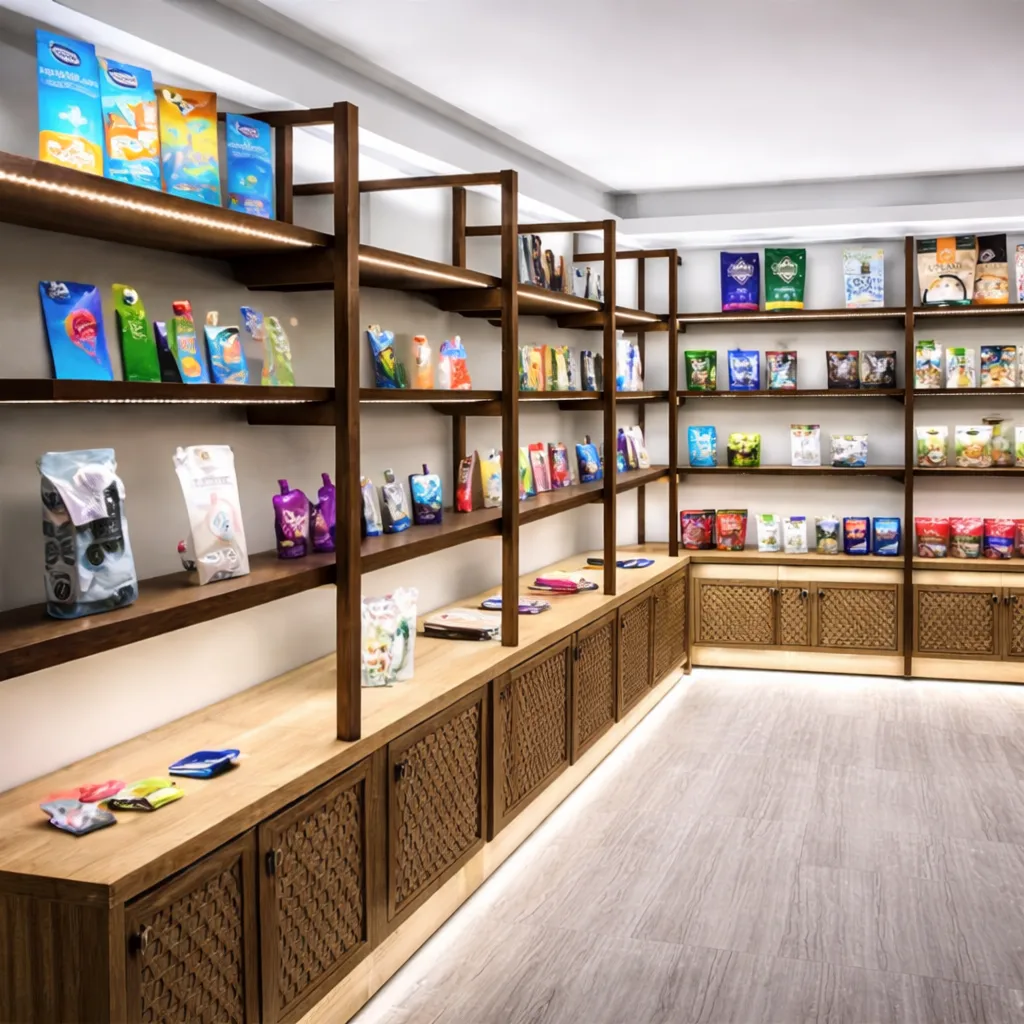


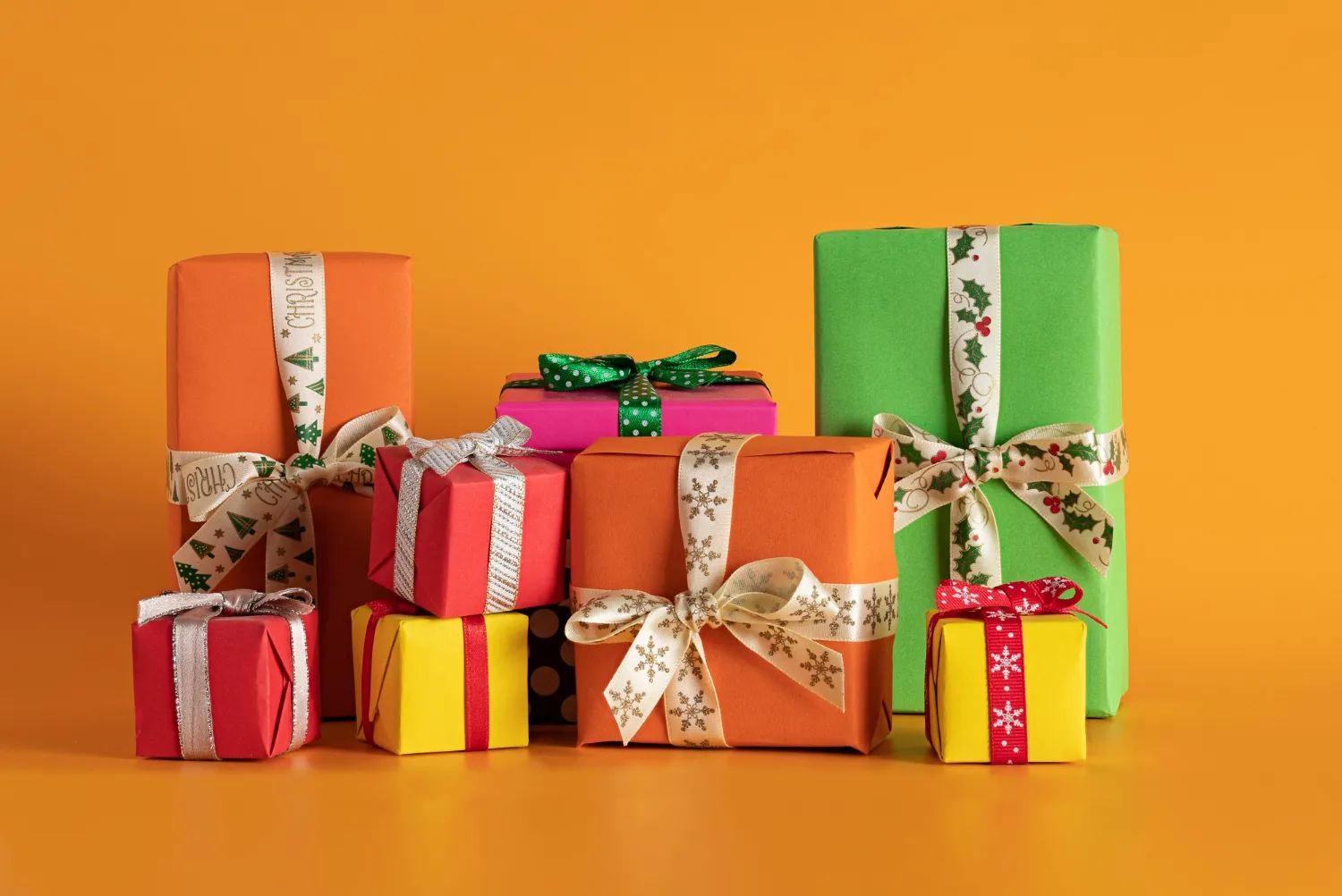
Packagly ships out thousands of packages every month, and the box wrapped around each one says something before a single word does. Gift boxes turn an ordinary delivery into a moment worth remembering, and that first look shapes how a customer feels about everything inside. A plain shipping carton gets tossed aside. A well-made box gets photographed, shared, and sometimes reused.
That gap explains why more brands, from candle makers to jewelry sellers, keep gift box packaging in their budget even when costs get tight everywhere else. A gift box protects the product, but it also carries a brand's tone, color palette, and attention to detail straight into a customer's hands. For small business owners competing against big retailers, that box might be the only marketing touch a customer sees up close.
Get the box wrong and the product feels cheap before the customer even opens it. Get it right, and the box becomes part of the gift.
Custom gift boxes matter most in categories where presentation drives the sale. Skincare, jewelry, gourmet food, and subscription boxes all lean on packaging to signal quality. A buyer who spends forty dollars on a candle expects the unboxing to match that price. Cheap tissue paper and a bent flap tell a different story than the one the product listing promised.
What sets a gift box apart from standard shipping packaging comes down to intent. Shipping boxes exist to survive transit. Gift boxes exist to be opened, admired, and often kept. Rigid gift boxes hold their shape on a shelf, magnetic-closure boxes snap shut with a satisfying click, and sleeve-style boxes slide open like a small reveal. Brands pick the style based on the product inside and the reaction they want from the customer.
Types of Gift Boxes and What Each One Does Well
Not every product needs the same box. A ring needs a small, rigid box with a tight foam insert. A bottle of wine needs something padded and taller. Picking the wrong style wastes money on materials the product does not actually need.
Rigid cardboard boxes work best for items that need to hold their shape without crushing. Corrugated boxes handle weight and shipping stress better, which suits heavier items or products that travel long distances before reaching a customer. Kraft paper boxes lean into a natural, low-waste look that appeals to eco-conscious shoppers. Fabric-wrapped boxes sit at the premium end, often used for jewelry or luxury gifting where texture matters as much as color.
|
Material |
Avg. Cost (per unit) |
Durability |
Best For |
|
Rigid Cardboard |
$2.50–$6.00 |
High |
Jewelry, cosmetics, small electronics |
|
Corrugated |
$1.20–$3.50 |
Very High |
Shipping-heavy or fragile items |
|
Kraft Paper |
$0.90–$2.20 |
Medium |
Food, candles, eco-focused brands |
|
Fabric-Wrapped |
$4.00–$10.00 |
High |
Luxury gifting, jewelry, watches |
Pricing shifts based on order volume, printing complexity, and whether the box includes an insert. A run of five hundred boxes costs far more per unit than a run of ten thousand, so smaller brands often start with a simpler design and add finishes once volume grows.
According to the American Forest & Paper Association (2023), packaging accounts for a large share of paper-based product demand in North America, and recyclable paperboard remains the fastest-growing segment of that category. That trend pushes more brands toward recyclable gift boxes rather than plastic-heavy alternatives, both for cost reasons and because customers increasingly ask about recyclability before buying.
How Custom Gift Boxes Actually Get Made
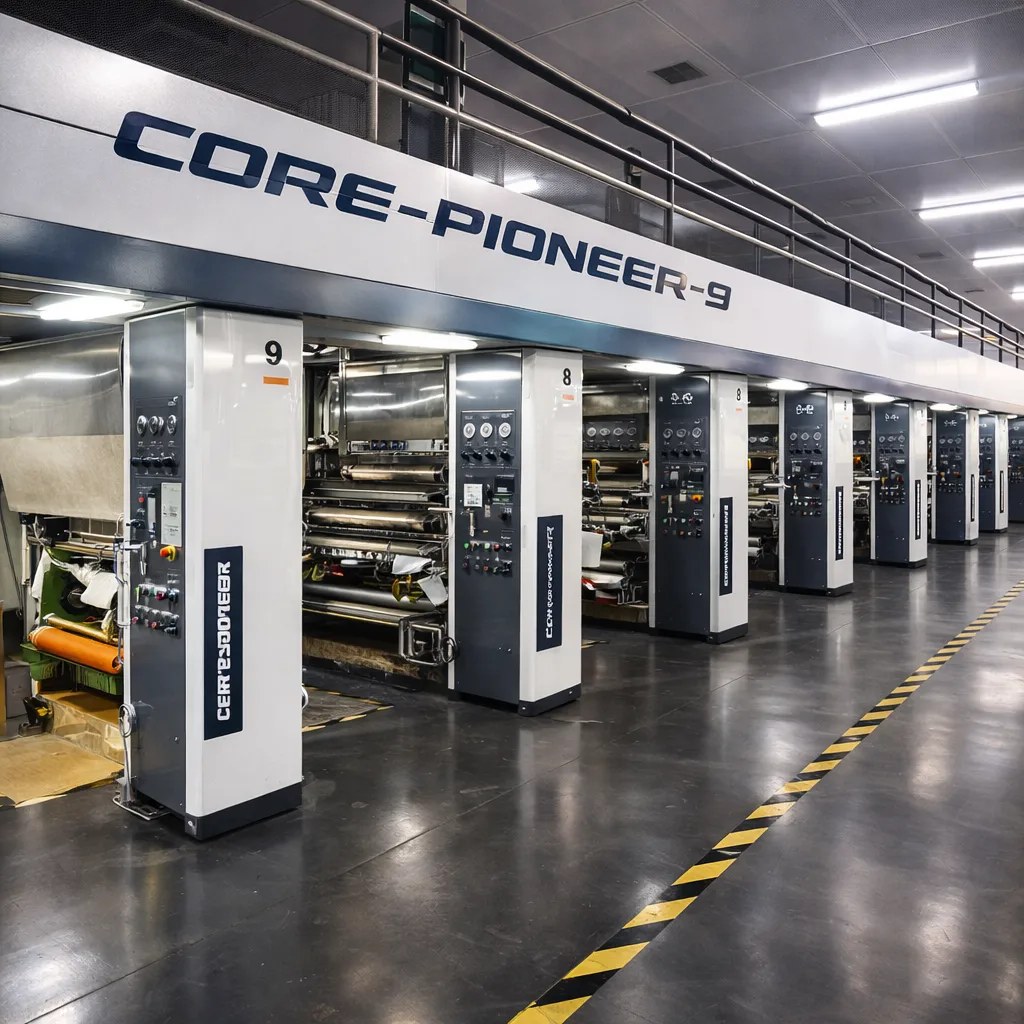
The process behind a finished gift box involves more steps than most buyers expect. A supplier usually starts with a die-line, which is the flat template that shows how the box folds into shape. That template gets adjusted to the exact dimensions of the product, with a bit of extra room for padding or inserts.
Once the die-line is locked, the design team applies branding: logo placement, color matching, and any pattern or texture the brand wants printed on the surface. Color matching matters more than people assume. A logo printed slightly off from a brand's official color can look unprofessional even if nothing else changed.
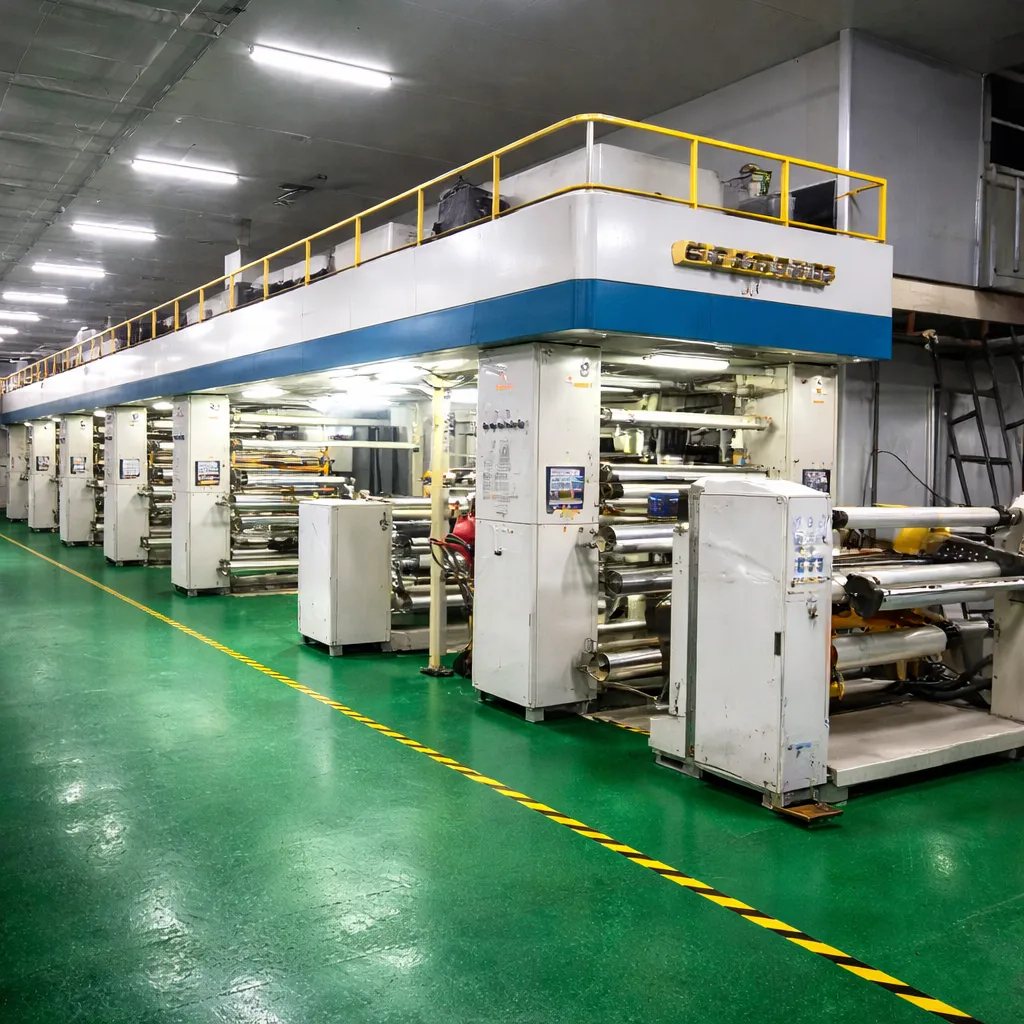
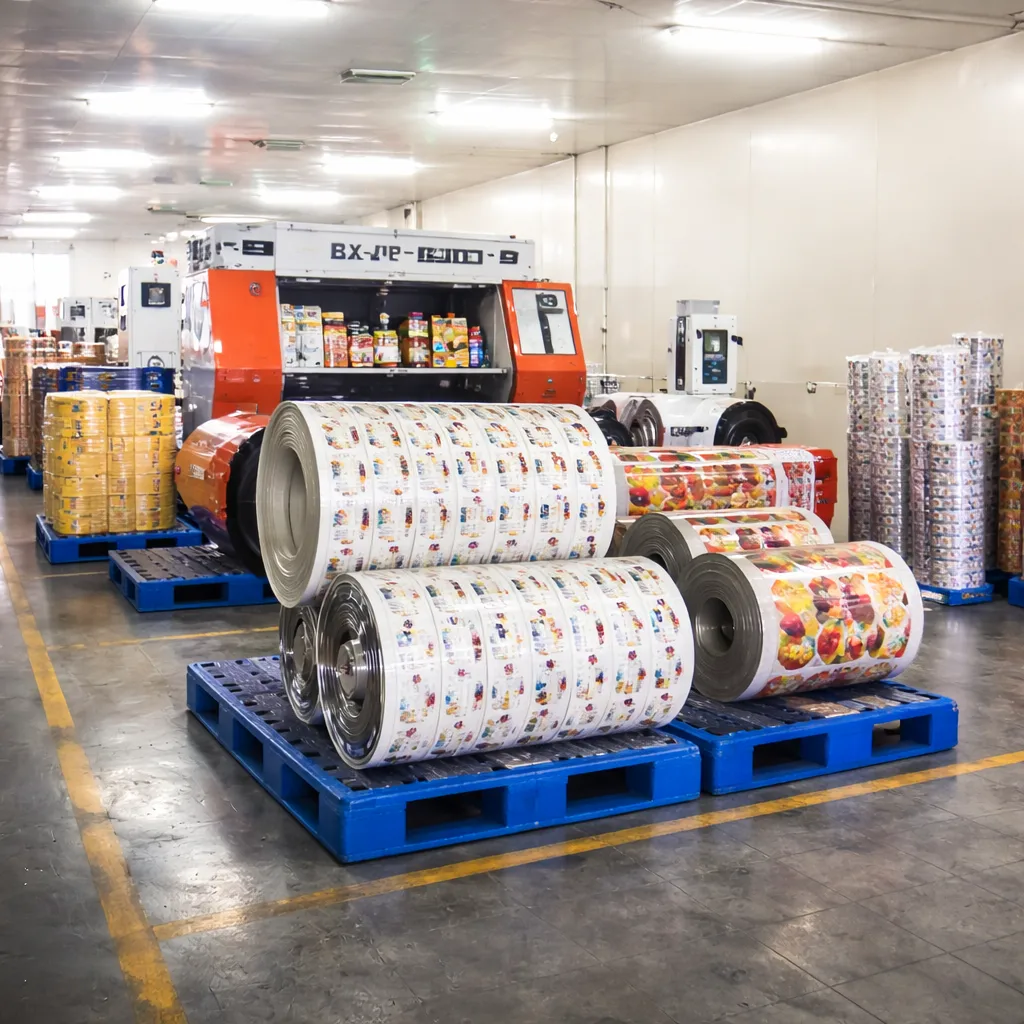
After design approval, the supplier moves to material sourcing and printing. Offset printing suits large runs and gives sharp, consistent color. Digital printing works better for smaller runs or designs that change often, since it skips the setup cost of printing plates. The boxes then get cut, scored, folded, and assembled, sometimes by machine and sometimes by hand for boxes with tricky folds or added elements like ribbon closures.
A small skincare brand we worked with recently switched from a generic stock box to a custom kraft box with a debossed logo and a magnetic flap. Return customers started mentioning the box in reviews within weeks, unprompted. That kind of feedback rarely happens with plain packaging, and it shows how much a box shapes the overall impression of a product.
Rachel Tran, a packaging design consultant based in Toronto, put it plainly: "Customers remember how something felt to open long after they forget the price they paid. Brands that treat the box as an afterthought are leaving that memory on the table."
What Drives the Cost of Gift Box Packaging
Cost questions come up early in almost every conversation with a new client, and the answer depends on several moving parts rather than one flat number. Volume plays the biggest role. Ordering one thousand units instead of one hundred can cut the per-unit price by half or more, since setup costs get spread across a larger run.
Printing complexity adds cost too. A single-color logo print costs less than a full-color wraparound design with foil stamping or spot UV coating. Box style matters as well. A simple fold-up mailer costs less than a rigid two-piece box with a magnetic closure and a fitted insert.
Material choice shifts the price range noticeably. Standard kraft paper sits at the lower end, while fabric-wrapped or rigid boxes with custom inserts sit near the top. Shipping and lead time also factor in. Rush orders almost always cost more, and international shipping on bulk orders can add a meaningful percentage to the total invoice.
Brands trying to plan a packaging budget should ask suppliers for pricing at three different volume tiers before committing. That comparison alone often reveals where the real savings sit, and it avoids the common mistake of locking into a design before checking how the price changes at scale.
How to Choose the Right Gift Box Supplier
Picking a supplier comes down to more than the lowest quote. A cheap box that arrives damaged or off-color costs more in the long run than a slightly pricier box that ships reliably. Ask any potential supplier for physical samples before placing a full order. Photos rarely capture texture, weight, or true color.
Turnaround time matters just as much as price. A supplier quoting three weeks needs to hit that number consistently, not just on the first order. Brands running seasonal promotions, especially around the holidays, cannot afford a supplier that slips past deadlines.
A supplier who works specifically on gift box packaging — companies like Packagly, for example — will usually know sourcing and material options that a general print shop does not carry in stock. That kind of focus tends to matter most once a brand needs specialty finishes like foil stamping, magnetic closures, or custom inserts, since a general printer may need to outsource those steps and add both cost and delay.
Sustainability credentials come up more often now too. The Federal Trade Commission's Green Guides set rules around what brands can legally claim about recyclability and eco-friendly materials, so any supplier making those claims should be able to back them up with real certification, not just marketing language. Ask for documentation rather than taking a claim at face value.
Communication style is worth testing early. A supplier who answers questions clearly and quickly during the sample stage usually behaves the same way once an order is in production. One that goes quiet after the first invoice often signals trouble ahead.
Frequently Asked Questions
What is the difference between a gift box and standard shipping packaging?
A gift box focuses on presentation and is meant to be opened and often kept, while shipping packaging exists mainly to protect a product during transit. Many brands now combine both functions in one box.
How much do custom gift boxes cost per unit?
Pricing typically ranges from under one dollar for simple kraft paper boxes to ten dollars or more for fabric-wrapped or rigid boxes with inserts, depending on volume and finish.
How long does it take to get custom gift boxes made?
Standard production usually takes two to four weeks after design approval, though rush options exist at a higher cost. International shipping can add extra time on top of that.
Are gift boxes recyclable?
Most kraft paper and corrugated gift boxes are recyclable through standard curbside programs, though boxes with foil stamping, plastic windows, or heavy lamination may need to be checked against local recycling rules.
What is the minimum order quantity for custom gift boxes?
Minimums vary by supplier and material, but many start around fifty to one hundred units for digital printing and rise to five hundred or more for offset printing runs.
Do gift boxes need a permit or regulatory approval to sell?
Packaging itself does not usually require a permit, but any recyclability or eco-friendly claims printed on the box must comply with FTC Green Guide standards to avoid misleading customers.
How durable are kraft paper gift boxes compared to rigid boxes?
Kraft paper boxes hold up well for lightweight items but can dent or soften faster under heavy contents or humidity, while rigid boxes offer stronger structure and better long-term shape retention.
Can gift boxes be customized with a brand logo and colors?
Yes, most suppliers offer full customization including logo printing, brand colors, and finishes like matte, gloss, or foil stamping, usually with an added cost for multi-color designs.
What insert options work best for fragile items like jewelry?
Foam inserts, molded pulp trays, and fitted cardboard dividers all work well for fragile items, with foam offering the tightest fit for small, high-value pieces.
Is it cheaper to buy gift boxes locally or from an overseas supplier?
Overseas suppliers often quote lower per-unit prices on large orders, but shipping time and import costs can close that gap, so local or regional suppliers sometimes win out for smaller or time-sensitive orders.
How do seasonal orders affect gift box pricing and lead time?
Demand spikes around the holidays push both prices and lead times higher, so brands planning seasonal packaging should place orders eight to ten weeks ahead of peak season.
What makes a gift box feel premium to a customer?
Weight, texture, a snug product fit, and a clean closure mechanism like a magnet or ribbon all contribute more to a premium feel than print design alone.
Where This Leaves Your Packaging Decision
Choosing the right gift box comes down to matching the product, the budget, and the impression a brand wants to leave behind. A candle brand and a jewelry brand need different materials, different inserts, and different price points, even if both are chasing the same goal of a memorable unboxing.
Start with samples, compare pricing across a few volume tiers, and check that any supplier's sustainability claims actually hold up under scrutiny. If your business wants a supplier that focuses specifically on custom gift box packaging rather than treating it as a side offering, Packagly can walk through material options and pricing based on your product and order volume, with no pressure to commit on the first call.