

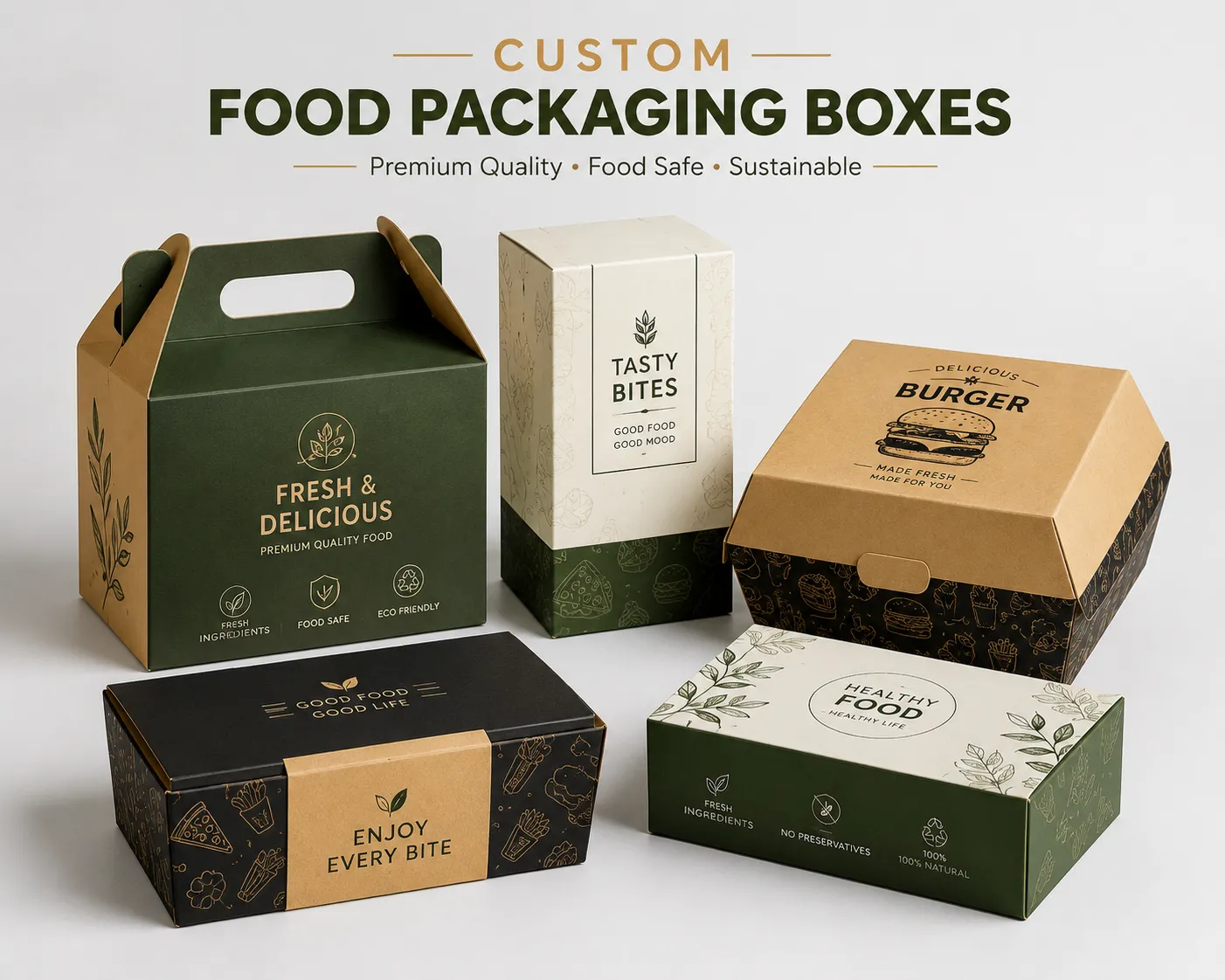
Food products live or die on two things: taste and how they arrive at the customer's door. At Packagly, we work with food brands that learned the hard way that a generic box does not hold up to grease, moisture, or a rough delivery route. Custom food packaging boxes solve problems a stock carton never could, from keeping baked goods fresh to stopping sauce containers from leaking in transit. If you make or sell packaged food, whether that's snacks, baked goods, or prepared meals, the right box protects both the product and your reputation.
Why generic boxes fail food brands
A plain cardboard box was never built with food safety in mind. Grease from baked goods soaks through uncoated stock within hours, leaving stains that make a product look old before a customer even opens it. Custom food packaging boxes use food-grade liners and coatings specifically designed to resist oil, moisture, and odor transfer.
Shipping damage costs food brands more than most owners realize. According to a 2023 report from the Institute of Packaging Professionals, food products packed in properly fitted custom boxes showed a 42 percent lower damage and spoilage rate compared to those shipped in generic retail cartons. That gap matters even more for small brands where a single bad shipment can wipe out a week's profit margin.
Does the box really change how a customer judges the food inside? It often does before they take a single bite. A bakery box that arrives crushed or a sauce jar that leaks through the packaging creates doubt about quality, even when the product itself is fine.
Material types, pros, cons, and best fit
Food packaging comes in several common formats, each suited to different products and shelf life needs. Kraft board with a grease-resistant coating works well for baked goods and fried snacks, holding its shape while keeping oils from bleeding through. Corrugated mailer boxes with insulated liners suit shipped meal kits and perishable items that need temperature control during transit.
Some brands choose rigid clamshell containers for salads and prepared meals sold through retail cold cases, since the clear lid lets customers see the product before buying. Others prefer simple folding cartons with wax coating for items like candy or dry snacks, where cost matters more than moisture resistance.
|
Packaging Type |
Avg. Cost (500 units) |
Shelf Life Support |
Best For |
Grease Resistance |
|
Kraft board, grease-resistant coating |
0.35–0.55/unit |
Moderate |
Bakery, fried snacks |
Excellent |
|
Corrugated mailer, insulated liner |
1.00–1.80/unit |
High |
Shipped meals, perishables |
Good |
|
Rigid clamshell container |
0.50–0.85/unit |
High |
Salads, prepared meals |
Fair |
|
Folding carton, wax coating |
0.30–0.50/unit |
Low |
Candy, dry snacks |
Moderate |
Kraft boards with grease-resistant coating tends to be the most common starting point for small bakeries and snack brands, since it balances cost against real protection for oily or moist products.
How custom food packaging boxes get made
The process starts with identifying what the food product actually needs protection from, whether that's grease, moisture, crushing, or temperature swings. A packaging specialist uses that information to select board weight and coating type before any printing begins.
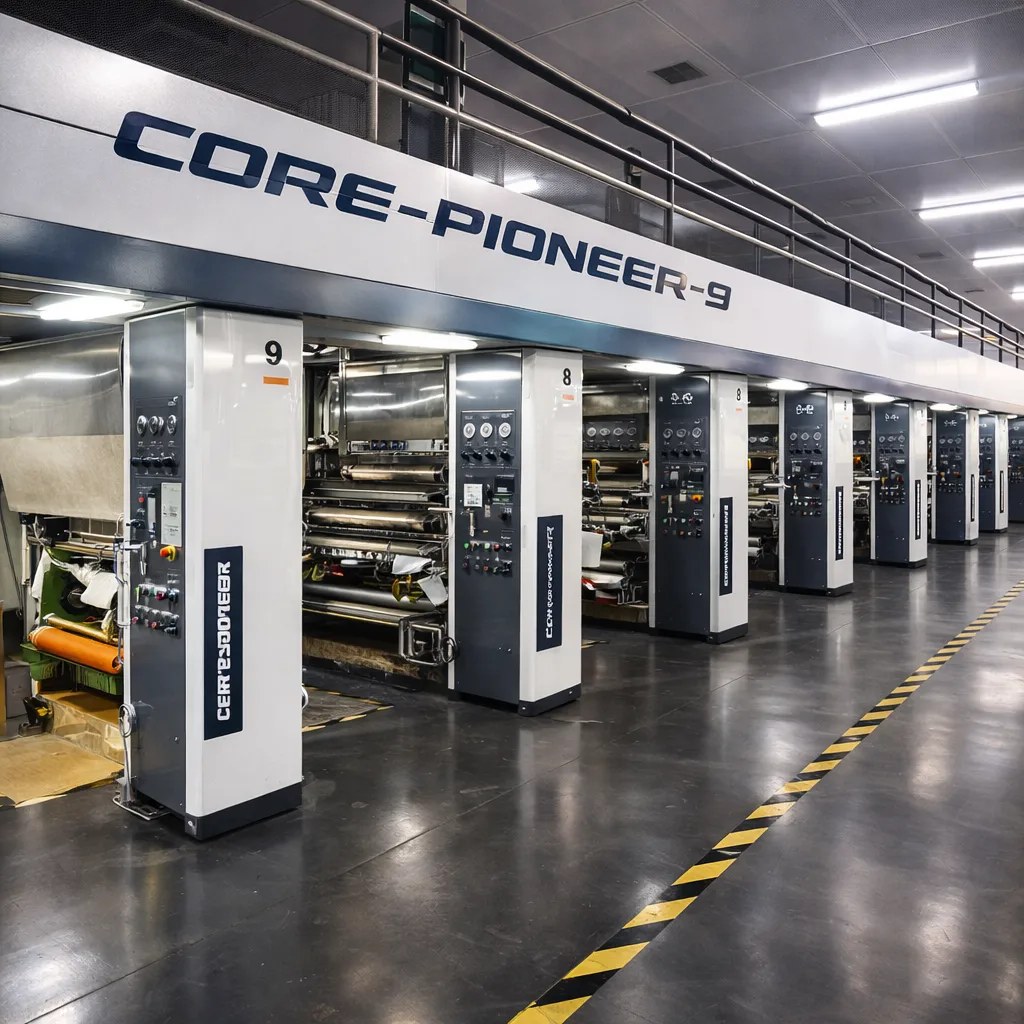
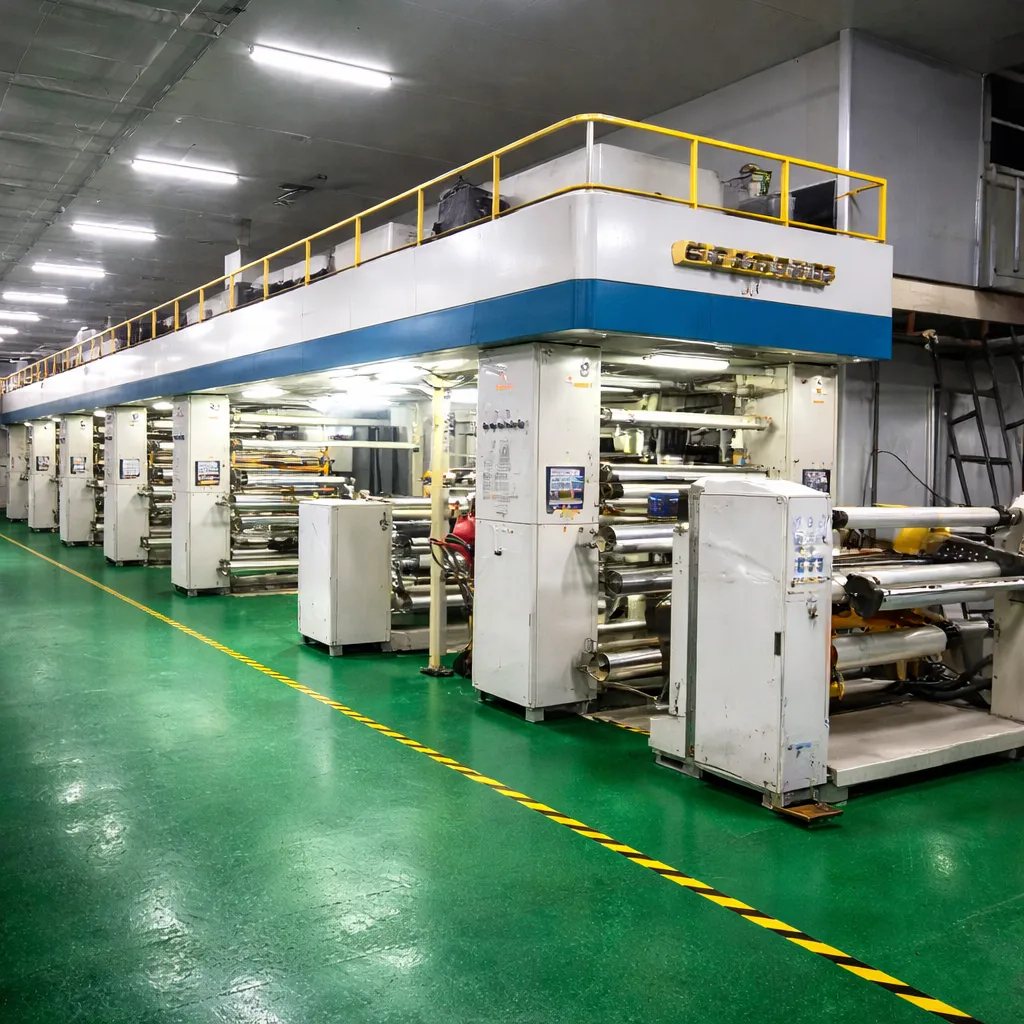
Printing happens using food-safe inks approved for surfaces near food contact, and larger runs typically use offset printing to keep per-unit color costs low. Smaller test batches, especially first orders under 1,000 units, often use digital printing so a brand can validate the design before committing to a bigger run. Once printed, sheets get die-cut, folded, and sealed with food-grade adhesive.
Companies like Packagly that focus on food packaging handle the coating selection and printing together, which keeps the finished box consistent between sample approval and full production. A mismatch at this stage is one of the most common issues brands run into with generic packaging suppliers.
What drives the cost of custom food packaging boxes
Coating type has the biggest effect on price. A basic wax dip costs less than a full grease-resistant barrier coating, but it holds up for less time against oily or moist food. Order quantity matters as well, since setup costs spread out more efficiently across larger production runs.
Print complexity adds to the total. Full-color branding with foil accents costs more than single-color printing on kraft stock. Box structure plays a role too, since insulated mailers with temperature control cost more to produce than a simple folding carton.
A small bakery we spoke with switched from plain white boxes to custom food packaging boxes with a grease-resistant coating and printed branding. Their per-unit cost rose by about 25 cents, but customer complaints about stained or soggy boxes dropped close to zero within the first month. That kind of change pays for itself once a brand factors in fewer refunds and better reviews.
Choosing the right packaging partner for food products
Not every packaging supplier understands food safety requirements. A general box printer might produce an attractive design without any experience selecting coatings that actually resist grease or meet food-contact standards, which means a brand only discovers the problem after products arrive damaged or stained.
A specialist supplier that works with food brands regularly will know which coatings hold up against specific products, how thick the board needs to be for shipping distance, and which adhesives stay food-safe under FDA guidelines. A provider like Packagly that focuses specifically on food-grade packaging will typically test coating performance against the actual product before a full production run, catching problems before they reach a customer's kitchen table.
Food packaging sold in the United States must meet FDA food-contact material regulations, and products with ingredient lists also need to follow labeling rules set by the FDA's Food Labeling Guide. A supplier familiar with these requirements will build compliant labeling space into the box design from the start, which saves a brand from costly redesigns later.
Frequently Asked Questions
What makes custom food packaging boxes different from regular retail boxes?
Custom food packaging boxes use food-grade coatings and liners built to resist grease, moisture, and odor transfer. Regular retail boxes lack these protective layers and stain or weaken quickly.
How much do custom food packaging boxes cost for a small brand?
Small runs of 500 units typically range from 30 cents to close to two dollars per unit depending on coating and structure. Larger orders bring the per-unit price down.
Are custom food packaging boxes required to meet FDA regulations?
Yes, any packaging that comes into direct contact with food sold in the United States must meet FDA food-contact material standards for coatings and adhesives.
What packaging works best for shipping perishable food products?
Corrugated mailer boxes with insulated liners work best for shipped perishables, since they help maintain temperature and cushion the product during transit.
How long does production take for a custom food packaging order?
Digital print runs for smaller batches usually take 7 to 10 business days. Offset runs with special coatings can take 3 to 5 weeks depending on order size.
What is the minimum order quantity for custom food packaging boxes?
Many suppliers set minimums between 250 and 500 units for digital printing, with smaller sample runs sometimes available for new product testing.
Can I add nutrition labels or ingredient lists to custom food packaging?
Yes, most suppliers design labeling space directly into the box layout to meet FDA Food Labeling Guide requirements for ingredients and nutrition facts.
Does grease-resistant coating affect how long baked goods stay fresh?
Yes, grease-resistant coatings slow moisture and oil transfer, which helps baked goods maintain texture and appearance longer during storage and transit.
What printing method suits a new food brand testing a product launch?
Digital printing suits new brands ordering under 1,000 units, since it avoids the higher tooling costs tied to offset printing for early production runs.
Do custom food packaging boxes need different coatings for different climates?
Yes, humid climates require stronger moisture barriers, while boxes shipped through hot regions benefit from coatings that resist grease bleed-through at higher temperatures.
How do I know if my current food packaging is causing product complaints?
Watch for patterns in customer feedback around soggy boxes, grease stains, or crushed packaging. These usually point to coating or structural weaknesses in the current box.
What is the difference between kraft board and corrugated packaging for food?
Kraft board suits lighter products like baked goods and snacks, while corrugated board offers more crush resistance for heavier or shipped meal products.
Getting food packaging right comes down to matching the box and coating to what the product actually needs during storage and shipping. Custom food packaging boxes protect the product while giving a brand a real shot at building trust with every order that arrives intact. If you are comparing coating types or trying to figure out what fits your production volume, Packagly can walk you through samples and pricing based on your product line. A short conversation with their team can clarify what works before you commit to a full production run