

Packagly works with beauty brands every week, and one question comes up again and again: which cosmetic boxes actually fit a product, a budget, and a brand story at the same time? Choosing packaging feels simple until you sit down and compare board weights, print finishes, and supplier quotes side by side. This guide breaks the decision into plain steps so you can order with confidence.
Good cosmetic boxes do more than hold a product during shipping. They set the first impression before a customer even opens the lid. Skincare, makeup, and fragrance brands all lean on packaging to signal quality, and the right box can turn a routine unboxing into a moment a customer photographs and shares.
What Cosmetic Boxes Do for a Beauty Brand
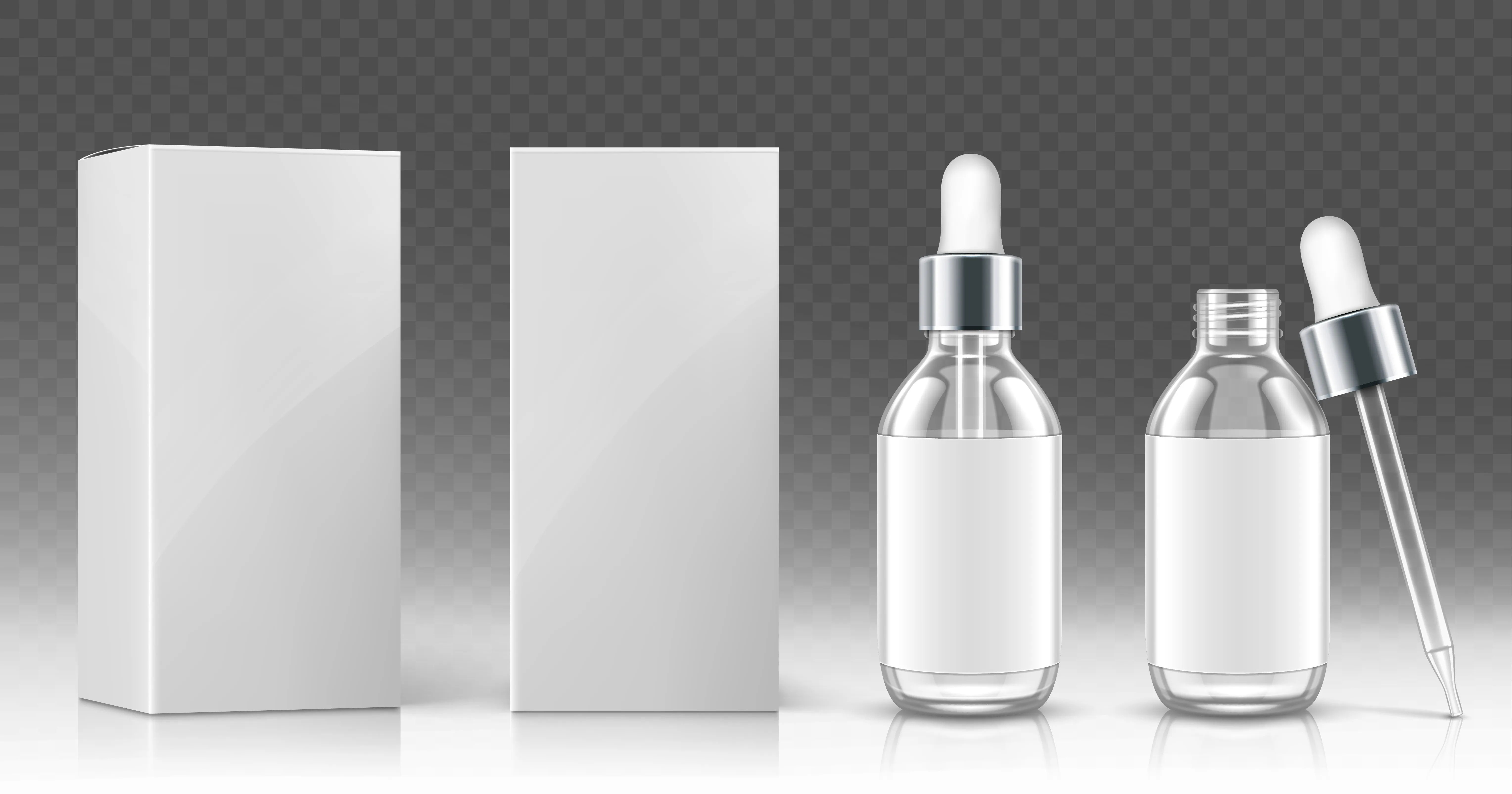
A cosmetic box is the physical container that holds, protects, and presents a beauty product on a shelf or in a shipping carton. Brands choose custom cosmetic packaging because generic boxes rarely match a product's shape, weight, or fragility.
Skincare bottles need snug inserts so glass doesn't rattle. Makeup palettes need flat, rigid walls that resist crushing in a mail truck. Fragrance boxes often need a heavier board because glass bottles are dense and unforgiving if a box flexes.
Why does packaging matter so much in a market full of near-identical formulas? Because the box is often the only physical touchpoint a customer has before they try the product. A flimsy box undercuts a premium price point, even when the formula inside is excellent.
Materials and Styles: Picking What Fits Your Product
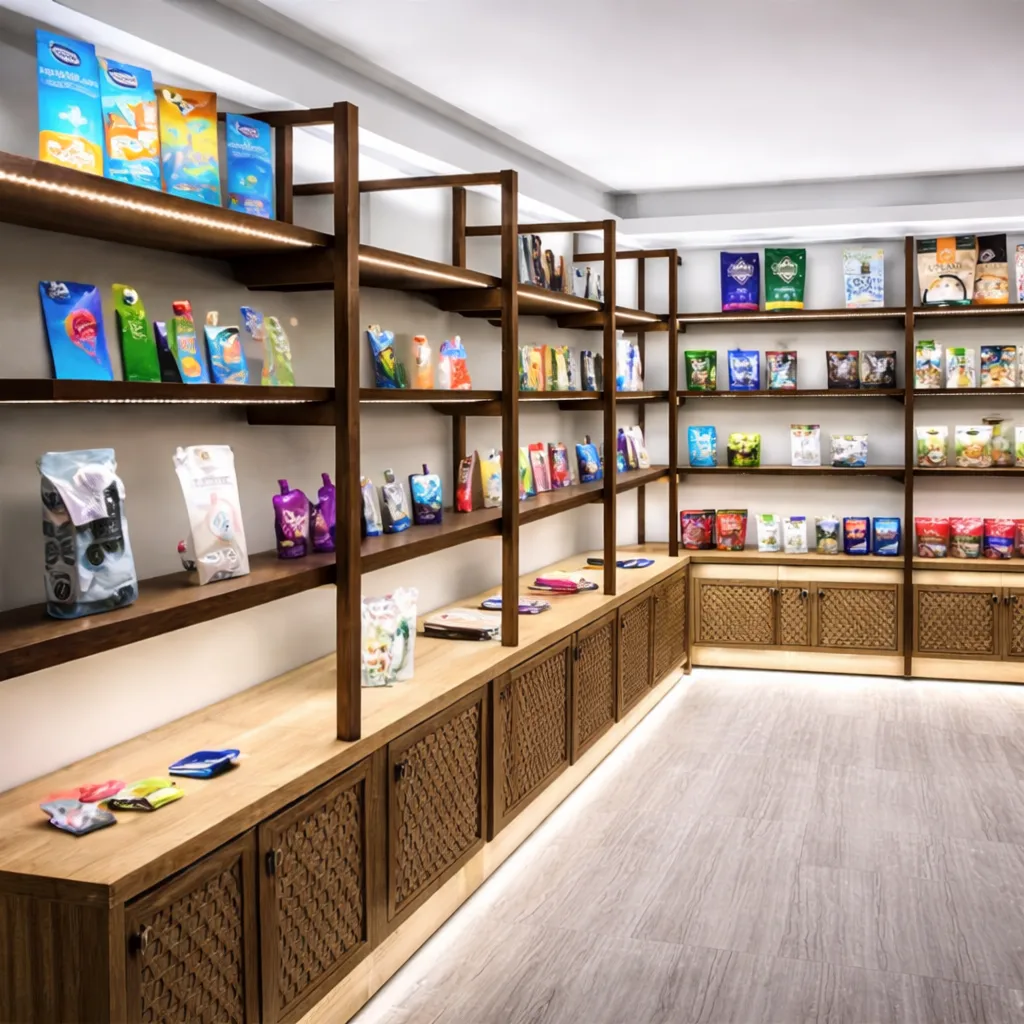
Cosmetic packaging boxes come in a handful of common formats, and each one suits a different product type and budget. Folding cartons work well for lightweight items like sheet masks or single lipsticks. Rigid boxes suit premium sets, gift bundles, or fragrance lines where the box itself becomes part of the product experience.
Corrugated mailer boxes protect heavier items during shipping and pair well with subscription boxes. Kraft and recycled board options appeal to brands building an eco-friendly packaging story, since roughly 68% of cosmetic packaging by volume still relies on plastic, according to Precedence Research (2025), leaving clear room for paper-based alternatives to stand out on shelf.
A licensed packaging engineer who consults for indie beauty brands in London put it simply: match the board weight to the product's actual weight and fragility before you match it to the design, because a box that fails in transit costs more in returns than a slightly plainer finish ever would.
|
Box Type |
Avg. Cost per Unit |
Best For |
Sustainability |
|
Folding Carton |
$0.15–$0.40 |
Lipsticks, single-item skincare |
Moderate, recyclable board |
|
Rigid Box |
$0.80–$2.50 |
Gift sets, fragrance, luxury lines |
Lower unless FSC-certified stock used |
|
Corrugated Mailer |
$0.30–$0.90 |
Subscription boxes, bundles |
High, widely recyclable |
|
Kraft/Recycled Box |
$0.25–$0.60 |
Eco-focused skincare and haircare |
High, often compostable |
The Process Behind Custom Cosmetic Boxes
Ordering custom cosmetic boxes with logo printing follows a fairly predictable path once you know the steps. A supplier first asks for product dimensions, weight, and fragility so they can recommend a board type. From there, they usually produce a digital proof, followed by a physical sample so you can test fit and finish before committing to a full run.
Print finishes come next: matte lamination, spot UV, foil stamping, or embossing all change both the look and the unit cost. Sampling matters here. Does the box close smoothly? Does the insert hold the product still when the box is shaken?
Once a sample is approved, the supplier moves to full production, which typically runs two to five weeks depending on order size and finish complexity. Rush production exists, but it usually adds a noticeable premium.
Cost Factors for Cosmetic Boxes
Several variables drive the price of cosmetic boxes up or down. Order volume matters most: unit cost drops sharply once you cross common thresholds like 1,000 or 5,000 units, since setup and plate costs get spread across more boxes. Board weight and print finish add cost too, with foil stamping and spot UV among the pricier upgrades.
Shipping distance and box size also affect landed cost, particularly for rigid boxes, which take up more warehouse and freight space than flat-packed cartons. A small skincare brand launching its first serum, for example, often finds that switching from a rigid box to a sturdy folding carton with a foil accent cuts packaging spend by nearly half without hurting shelf presence.
How to Choose the Right Cosmetic Box Supplier
Picking a supplier comes down to a handful of practical checks. Ask for physical samples, not just digital mockups, since color and texture rarely translate accurately on a screen. Ask about minimum order quantities, because some suppliers only serve large brands and won't quote small first runs.
A supplier that works exclusively on cosmetic packaging, such as Packagly, tends to know board weights, insert design, and finish options for beauty products specifically, rather than treating a lipstick box the same way they'd treat a shipping carton for hardware. That specialization shows up in fewer fit errors and fewer damaged units during shipping.
Check turnaround time in writing, and ask what happens if a sample fails quality checks. A supplier who answers these questions clearly, without vague promises, is usually one worth working with long term.
Frequently Asked Questions
What is the difference between a rigid box and a folding carton?
A rigid box uses thick, non-collapsible board and holds its shape permanently, which suits premium gift sets. A folding carton uses a thinner board that ships flat and folds into shape, keeping unit costs and storage space lower.
How much do custom cosmetic boxes cost for a small brand?
Small first runs of 500 to 1,000 folding cartons often land between $0.20 and $0.50 per unit, depending on print finish. Rigid boxes for the same volume usually cost two to five times more per unit.
What is the minimum order quantity for cosmetic packaging boxes?
Minimums vary by supplier and material, ranging from a few hundred units for folding cartons to a few thousand for heavily customized rigid boxes. Some suppliers, including smaller regional printers, offer lower minimums for new brands testing a product.
Are eco-friendly cosmetic boxes more expensive than standard plastic packaging?
Kraft and recycled board options often cost slightly more per unit than basic plastic clamshells, but many brands recover the difference through pricing power, since a growing share of skincare buyers actively favor sustainable packaging when comparing similar products.
How long does it take to produce custom cosmetic boxes?
Standard production typically runs two to five weeks after a sample is approved, depending on order size and print complexity. Rush timelines of one to two weeks exist with most suppliers but usually carry an added fee.
Do cosmetic boxes need to meet any labeling regulations?
Yes. In the United States, cosmetic labeling falls under FDA rules requiring accurate ingredient lists and net weight statements. In the European Union, the Packaging and Packaging Waste Regulation, effective from February 2025, adds recyclability requirements that box materials must meet.
What board weight works best for glass skincare bottles?
Glass bottles generally need a board weight of at least 300 to 400 GSM with a snug foam or paperboard insert, since thinner boards flex and risk cracking the glass during transit.
Getting Your Packaging Right
Picking cosmetic boxes comes down to matching material, finish, and supplier to the product you're actually shipping. Start with a sample before you commit to volume, and check labeling rules for every country you plan to sell in. When you're ready to move from research to a real quote, reach out to Packagly for sample options and pricing based on your product's size and weight