

Packagly hears the same question from dispensary owners and cultivators almost every week: why does one bag of flower stay potent for months while another goes dry and flat in weeks? The answer usually comes down to the bag itself. Custom weed mylar bags with a resealable zipper do more than hold product, they control the oxygen, light, and humidity that break down terpenes and cannabinoids over time.
This guide covers the bag types worth considering, what a supplier actually does during production, real cost ranges, and the compliance details that trip up brands new to cannabis packaging. Who needs this? Any cultivator, edibles maker, or dispensary brand deciding between packaging suppliers for the first time or switching after a bad batch of bags failed on the shelf.
Why zipper mylar bags matter for product freshness
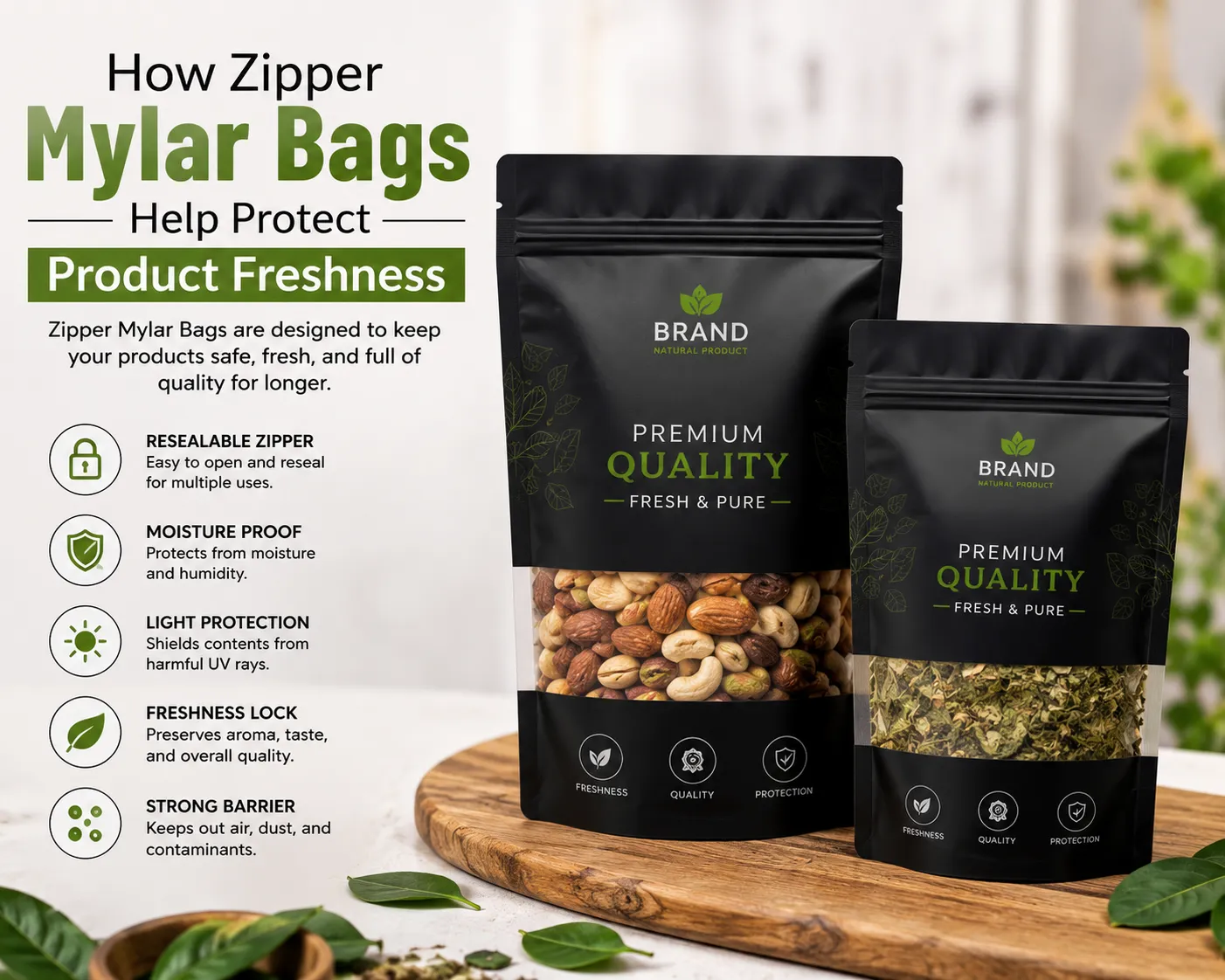
Cannabis flower is sensitive. Oxygen and light degrade THC into less potent CBN over time, and low humidity dries out the trichomes that carry flavor and effect. A metalized mylar bag with a proper barrier layer blocks light entirely and slows oxygen transfer to a fraction of what a plain plastic bag allows.
The zipper closure matters just as much as the film. Every time a consumer opens and reseals a bag with a weak zipper, more air gets trapped inside, and the product degrades faster with each cycle. A tight, repeatable seal keeps that exchange to a minimum.
Demand for this kind of packaging keeps climbing. The global cannabis packaging market reached roughly USD 1.92 billion in 2024 and is projected to grow at a 21.1% annual rate through 2033, according to IMARC Group (2024). Reclosable zipper pouches already account for more than 32% of flexible child-resistant packaging sold in North America, per Congruence Market Insights (2024), which tells you how much the category has shifted toward this bag style.
Types of custom weed mylar bags: what fits your product
Flower, pre-rolls, edibles, and concentrates each need a different bag structure. A wax or live resin needs oil resistance a flower bag doesn't, and pre-rolls need a shape that protects a fragile paper cone.
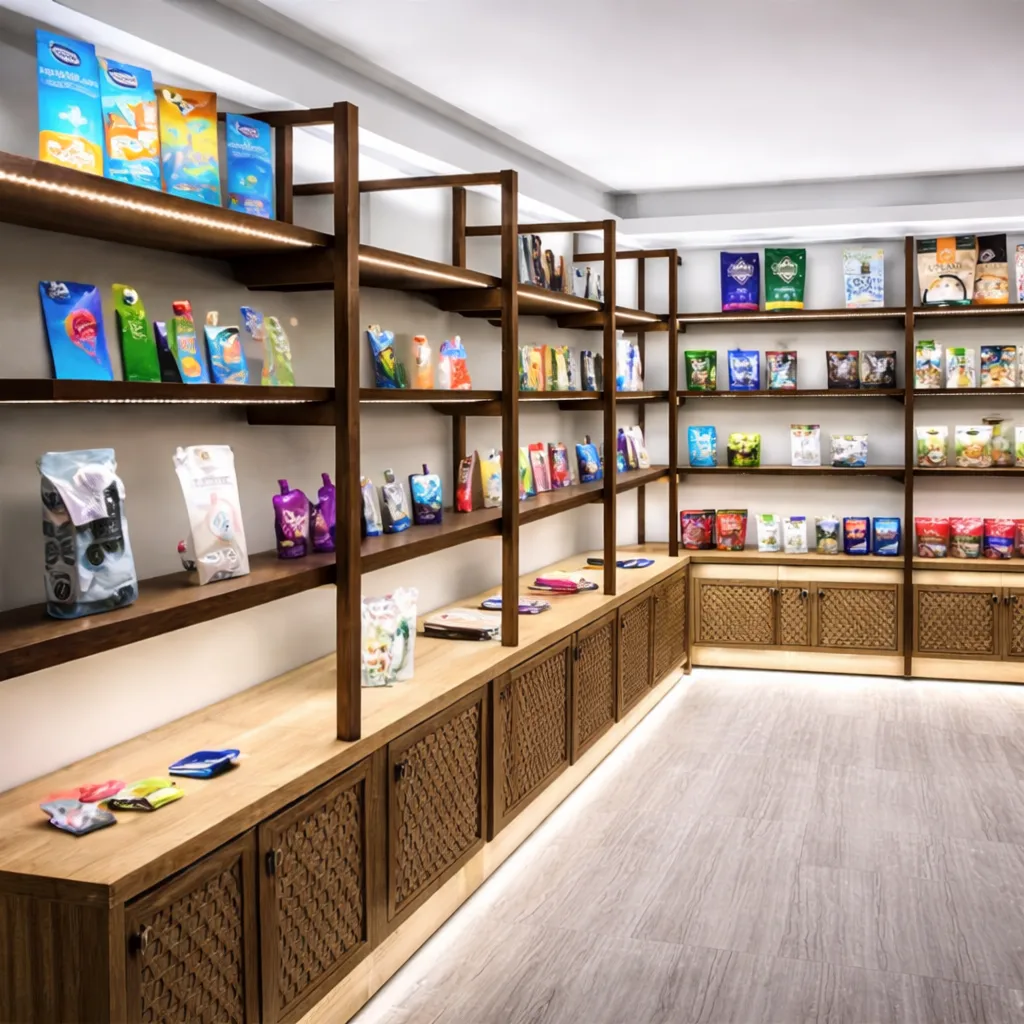
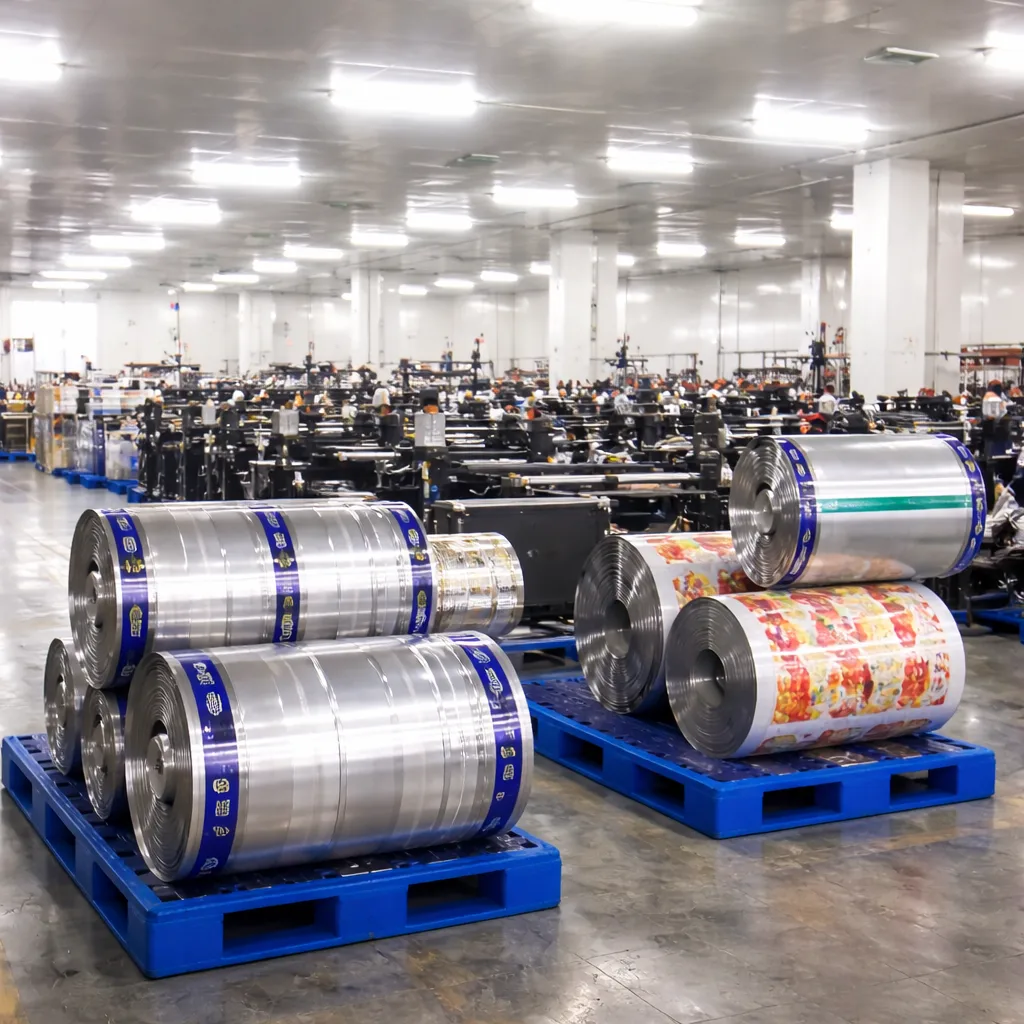
Flower pouches use a wide, flat-bottom or stand-up shape with a full width zipper so a budtender can scoop without tearing the seal. Pre-roll pouches are narrower and often padded or rigid-backed to stop crushing in transit. Edible pouches lean on opaque, high-barrier film since sugar and fats are especially sensitive to light and moisture. Concentrate pouches need an oil-resistant inner liner, since wax and rosin will eat through a standard sealant layer over time.
| Bag Type | Material | Freshness Protection | Best For | Avg. MOQ |
|---|---|---|---|---|
| Flower pouch | Metalized PET/foil laminate | High (light, oxygen, humidity) | Whole flower, pre-ground | 1,000–5,000 |
| Pre-roll pouch | Foil laminate, padded or rigid-backed | Medium–high | Single or multi pre-rolls | 1,000–3,000 |
| Edible pouch | Opaque foil laminate | High (light, moisture) | Gummies, chocolates, tinctures | 2,500–5,000 |
| Concentrate pouch | Oil-resistant laminate | High (oil, light) | Wax, rosin, shatter | 1,000–2,500 |
A packaging consultant who works with cultivators across the West Coast put it this way: match the barrier to the product's biggest enemy first, since flower fears oxygen and light while concentrates fear oil breakdown, and one film rarely solves both.
The process, step by step
Ordering custom weed mylar bags follows a predictable sequence once a supplier understands your product and your state's labeling rules.
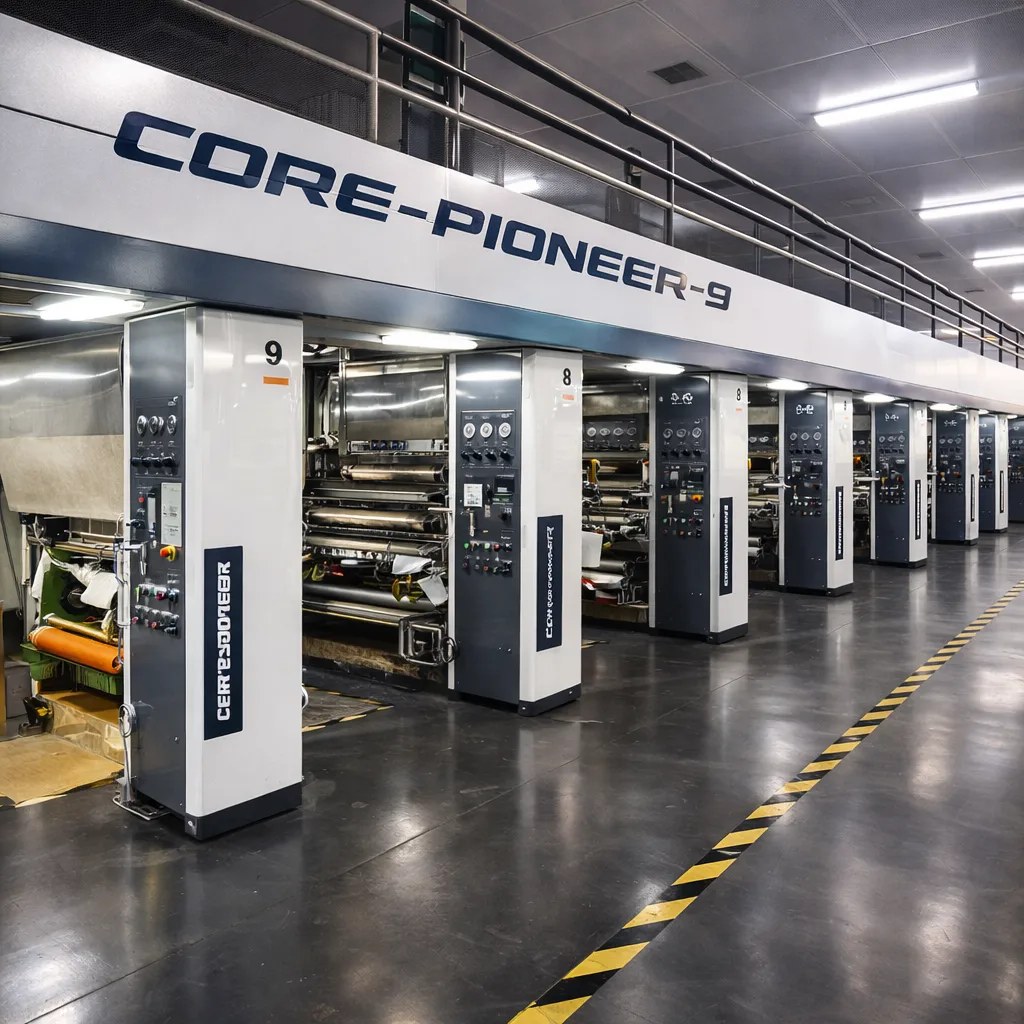
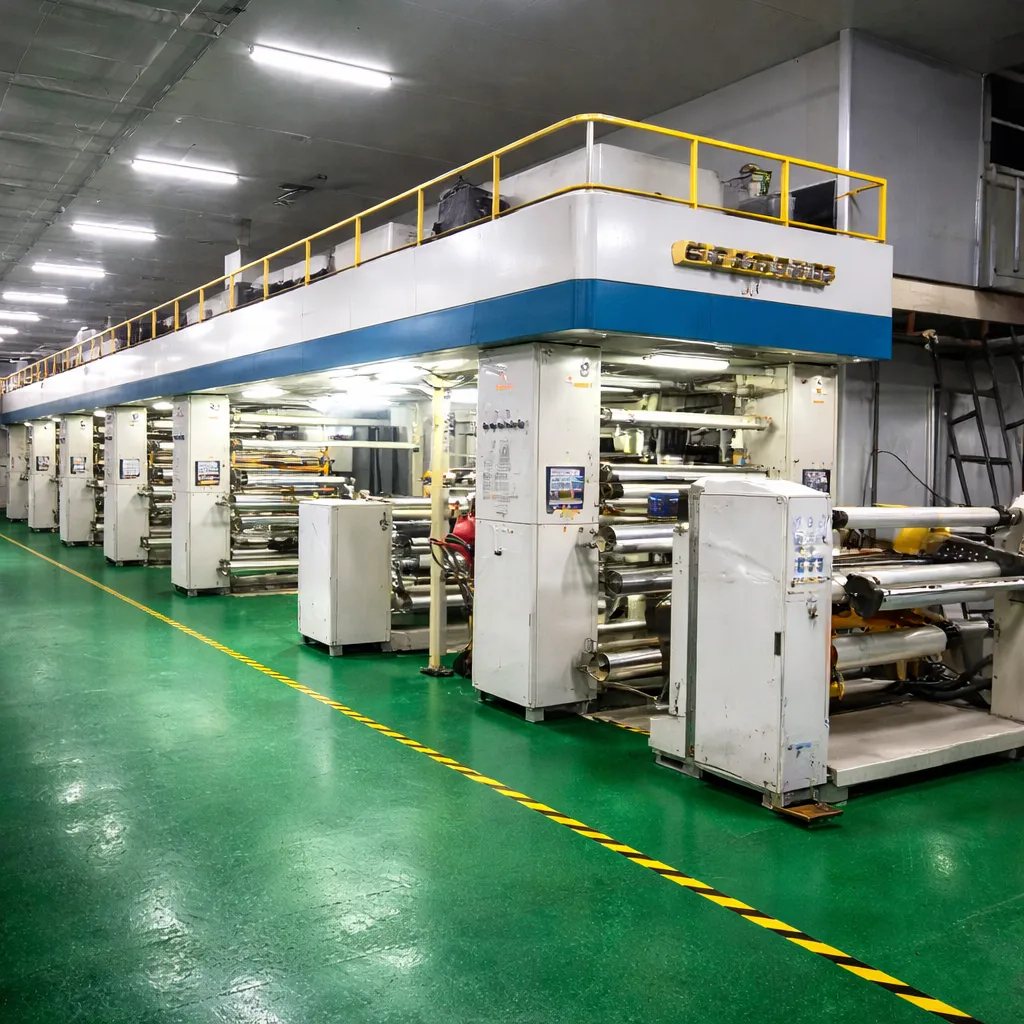
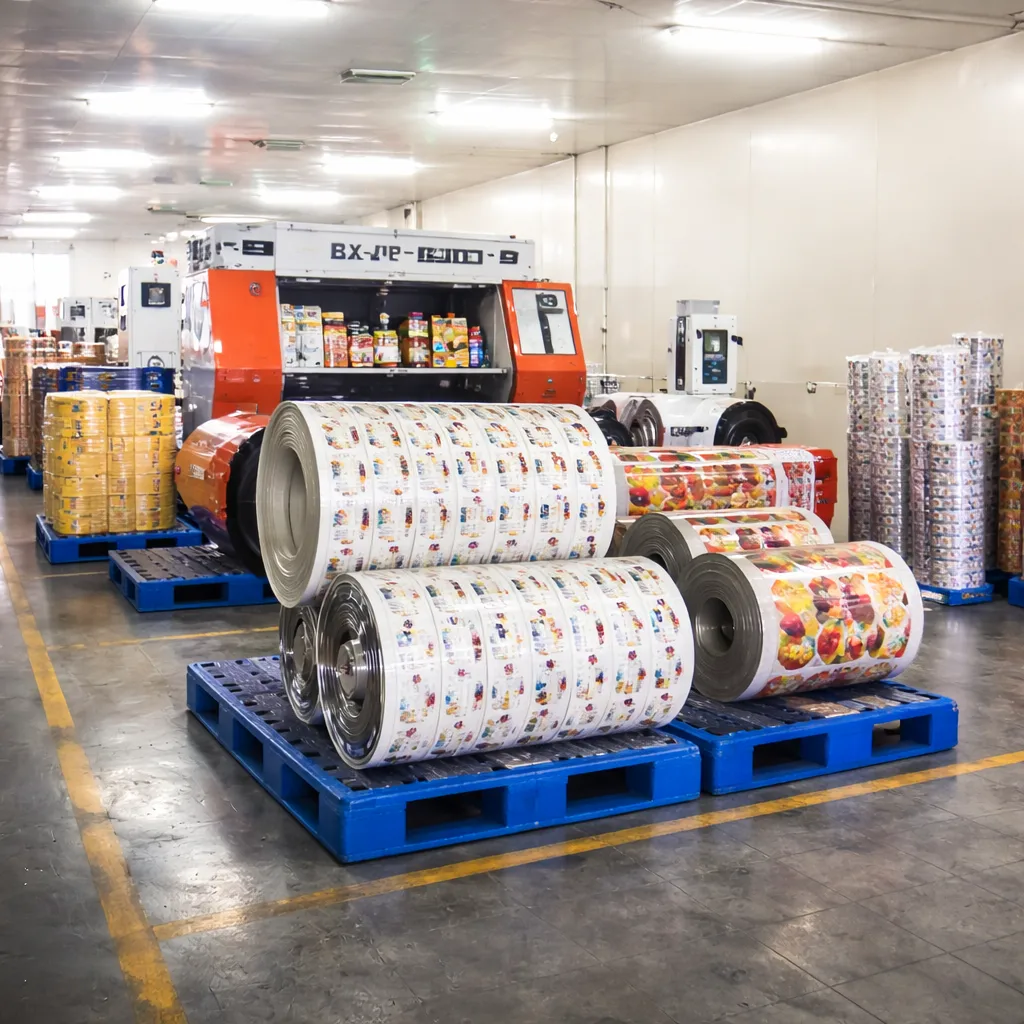
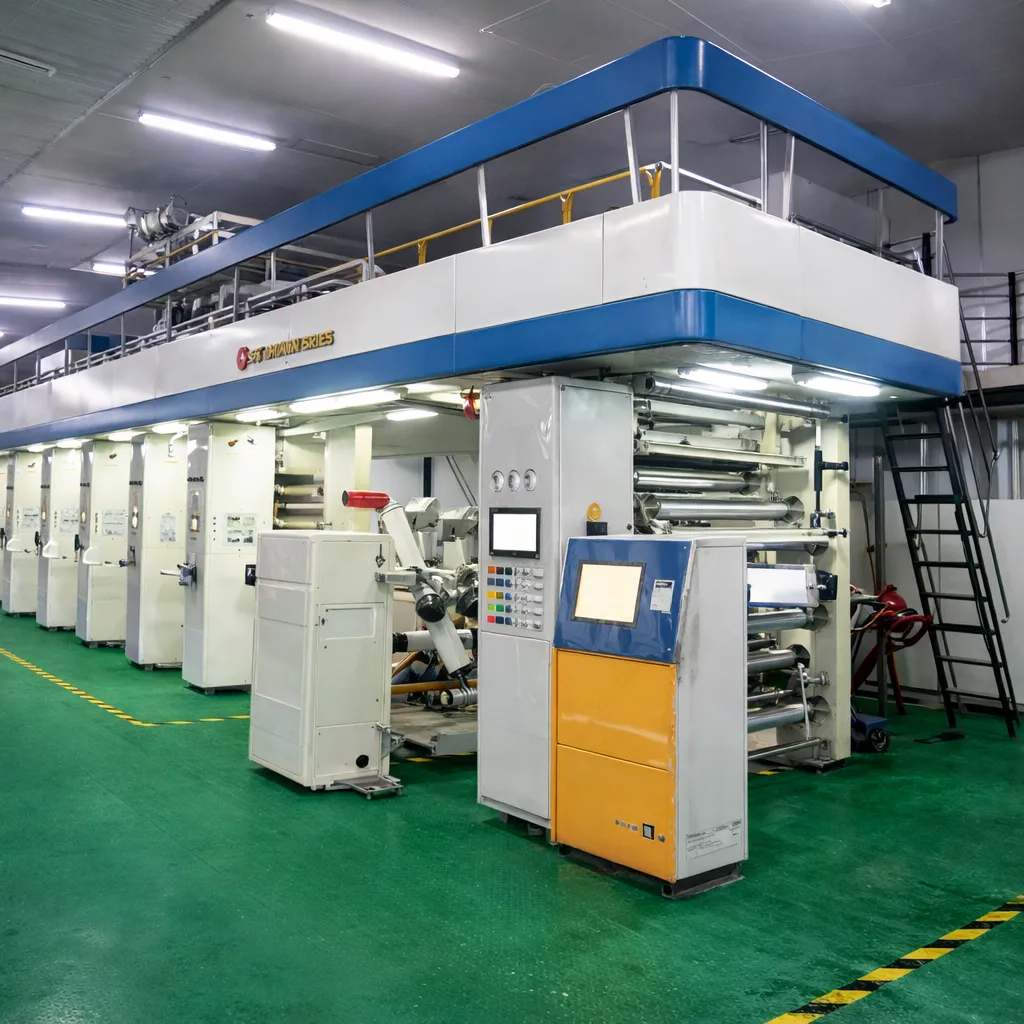
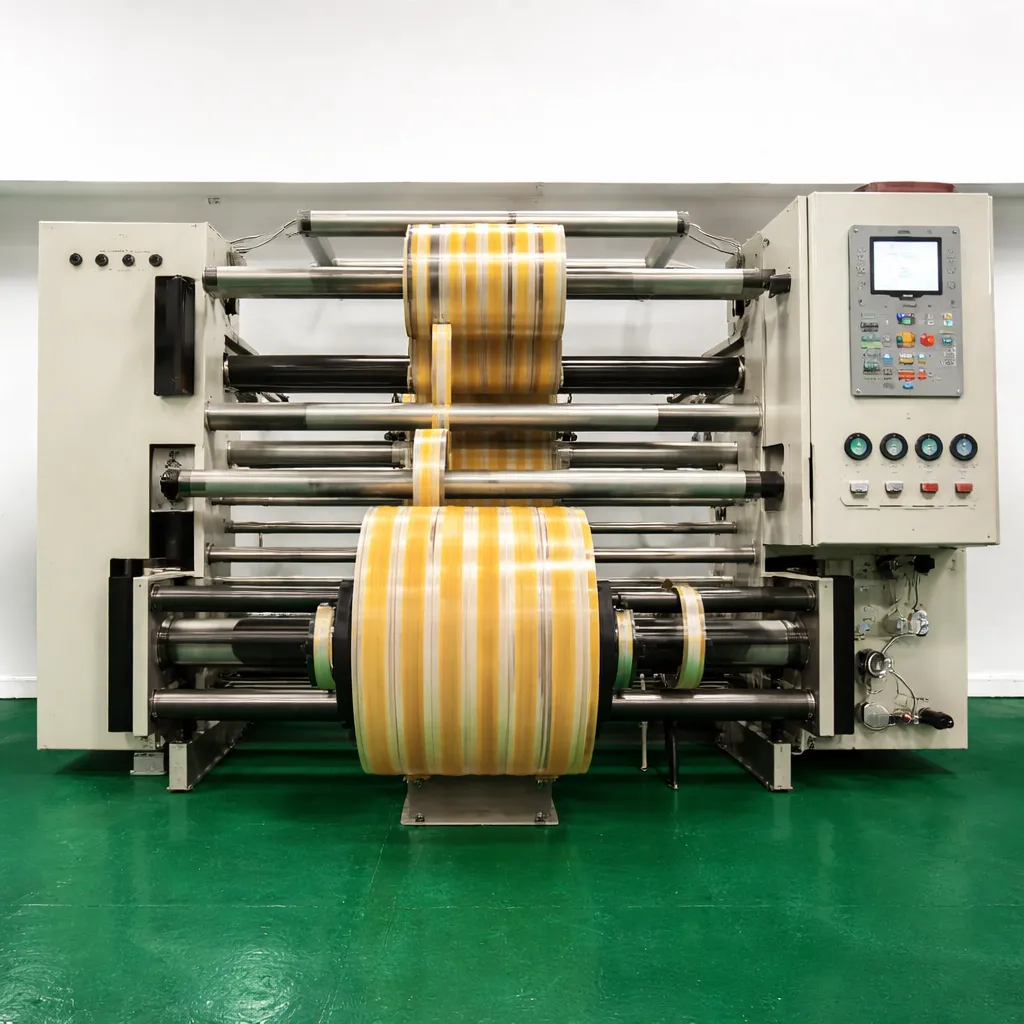
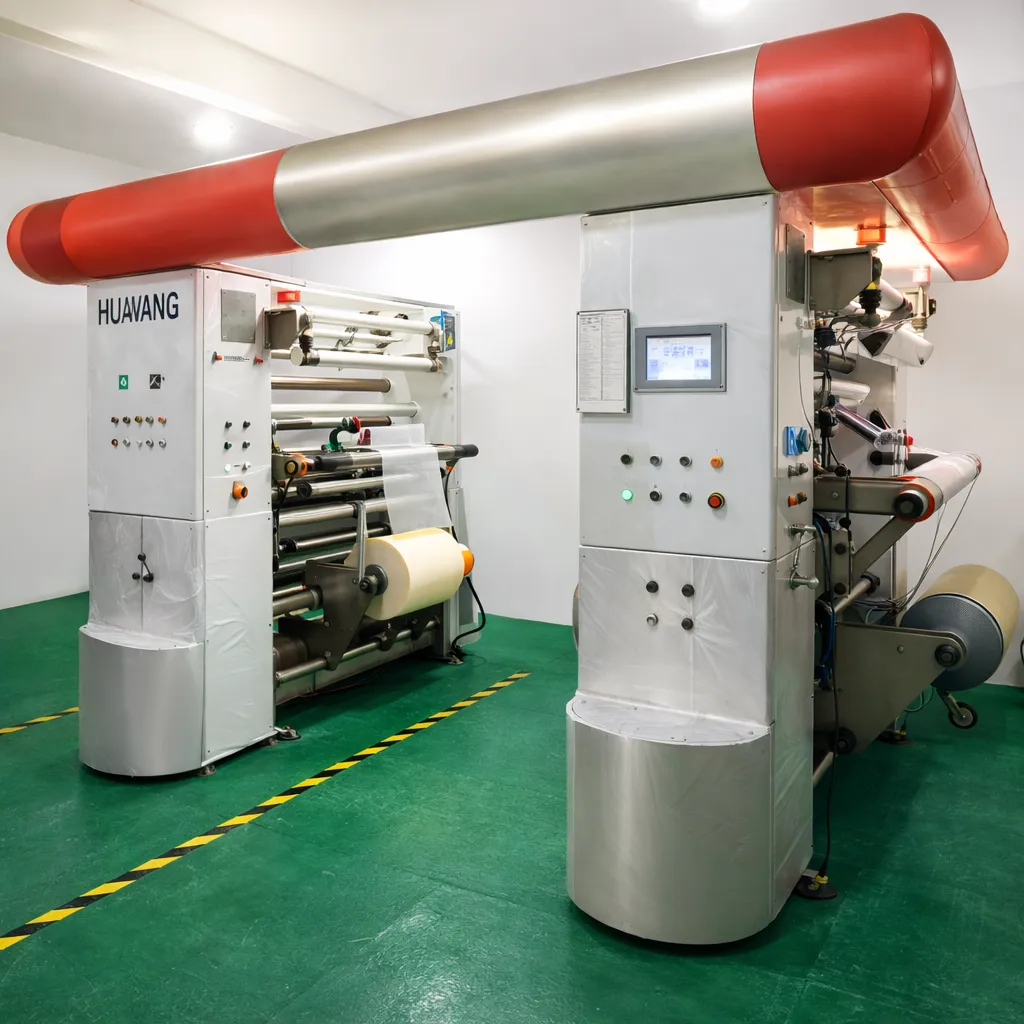
First, a supplier confirms bag size, film structure, and zipper style based on your product weight and category. Second, your artwork and required compliance text get laid out on print-ready files, including any state-mandated warning labels or THC potency panels. Third, the film prints, usually through rotogravure for larger runs or digital printing for shorter ones, then laminates to the barrier layer. Fourth, the child-resistant zipper mechanism gets fused to the bag during conversion, and the pouch is die-cut to final shape. Fifth, finished bags ship flat, ready for your fill line or hand-packing station.
A cultivator we spoke with recently switched from heat-sealed bags to a certified child-resistant zipper pouch after a state audit flagged their old packaging for failing a resealability test. The new bags passed certification on the first submission and cut customer complaints about stale flower within a single harvest cycle.
Cost factors for custom weed mylar bags
Pricing on custom weed mylar bags depends on a handful of variables that any supplier should walk you through before quoting.
Order quantity has the biggest effect on per-unit price. Zipper type adds cost, since a certified child-resistant mechanism costs more than a standard press-and-seal zipper. Film opacity and barrier thickness raise price but extend shelf life for light-sensitive products. Print complexity, including the number of colors and any foil or matte finish, adds setup fees. Compliance labeling, such as state-specific warning text or QR codes for track-and-trace systems, can add a small per-bag charge depending on the print method.
Small first-run orders of 1,000 to 2,500 custom printed bags typically fall between USD 0.40 and USD 0.90 per bag, with child-resistant zippers pushing toward the higher end. Orders above 10,000 units usually bring per-bag cost down by 30% to 45%.
How to choose the right custom weed mylar bags supplier
Anyone can print a logo on a plastic bag. Far fewer suppliers understand child-resistant certification, state labeling law, or how to keep terpenes intact through a full supply chain.
Start by asking for proof of child-resistant certification testing, since U.S. regulations under 16 CFR 1700.20 set the standard that packaging must meet before a state will approve it for retail sale. California's MAUCRSA law, for example, requires child-resistant, tamper-evident, and fully labeled packaging for every cannabis product sold in the state, and other states run similar frameworks with their own label requirements.
A specialist focused on cannabis packaging, companies like Packagly among them, will have already worked through CR zipper certification, odor-barrier testing, and the state-by-state labeling differences that catch general print shops off guard. That kind of supplier typically keeps compliance templates on file for multiple states, tests seal strength against repeated opening cycles, and knows which laminate stands up to trichome oil without degrading. A general commercial printer without cannabis experience often skips that testing, and the gap shows up later as failed audits or bags that leak odor.
Beyond compliance, compare minimum order quantities to your actual production volume, request a physical sample before committing to a full print run, and get turnaround time confirmed in writing.
Frequently asked questions
What makes a mylar bag child-resistant? A child-resistant zipper mechanism requires a specific pinch-and-slide or push-and-turn motion that most young children can't replicate, and it must pass CPSC testing under 16 CFR 1700.20 before a state approves it for cannabis sale.
How much do custom weed mylar bags cost? Small runs of 1,000 to 2,500 bags typically run USD 0.40 to USD 0.90 per bag, with child-resistant zippers and heavier barrier film pushing costs toward the higher end of that range.
What is the minimum order quantity for custom printed weed mylar bags? Most suppliers set MOQs between 1,000 and 5,000 units depending on bag style, with concentrate and pre-roll pouches often available at the lower end of that range.
Do weed mylar bags need to be child-resistant by law? In the United States, most legal cannabis states require child-resistant packaging for retail sale, following either federal CPSC standards or a state's own specific testing requirements.
How long do zipper mylar bags keep flower fresh? A properly sealed, high-barrier mylar bag with a tight zipper can preserve flower potency and aroma for six to twelve months when stored away from heat and direct light.
Can custom weed mylar bags include state-required labeling? Yes, suppliers experienced in cannabis packaging print required warning text, THC potency panels, and QR codes for track-and-trace compliance directly into the bag design.
What size mylar bag works best for an eighth or a quarter ounce? Bag size depends on product density and packing method, so most suppliers ask for your target fill weight before recommending exact dimensions for eighths, quarters, or larger flower orders.
Are odor-proof mylar bags different from standard mylar bags? Odor-proof bags use a thicker barrier laminate specifically tested to block terpene scent from passing through the film, which standard mylar film doesn't always guarantee.
What's the difference between a heat-sealed bag and a zipper mylar bag for cannabis? A heat-sealed bag must be cut open and can't reseal, while a zipper mylar bag allows repeated opening and closing, which most state regulations now require for retail cannabis packaging.
Do custom weed mylar bags hold up in humid climates? High-barrier laminate resists humidity swings far better than plain plastic, though brands in especially humid regions often add a humidity pack inside the bag for extra protection.
How fast can a custom weed mylar bag order ship? Standard turnaround runs three to five weeks from approved artwork and compliance review, with rush options available from some suppliers at an added cost.
Can small cannabis brands order custom weed mylar bags in low quantities? Yes, many suppliers offer digital printing for runs as low as 1,000 units, which suits small cultivators or new brands testing a product line before committing to a larger order.
Getting your packaging right
Choosing custom weed mylar bags comes down to matching barrier film and zipper type to what your product actually needs to survive, whether that's oxygen for flower or oil resistance for concentrates. Start with a sample, confirm the zipper passes child-resistant testing, and get your state's labeling requirements sorted before a full production run. If you want help working through bag style and compliance details for your specific product line, Packagly offers sample packs and can walk through options based on your fill weight and state requirements.