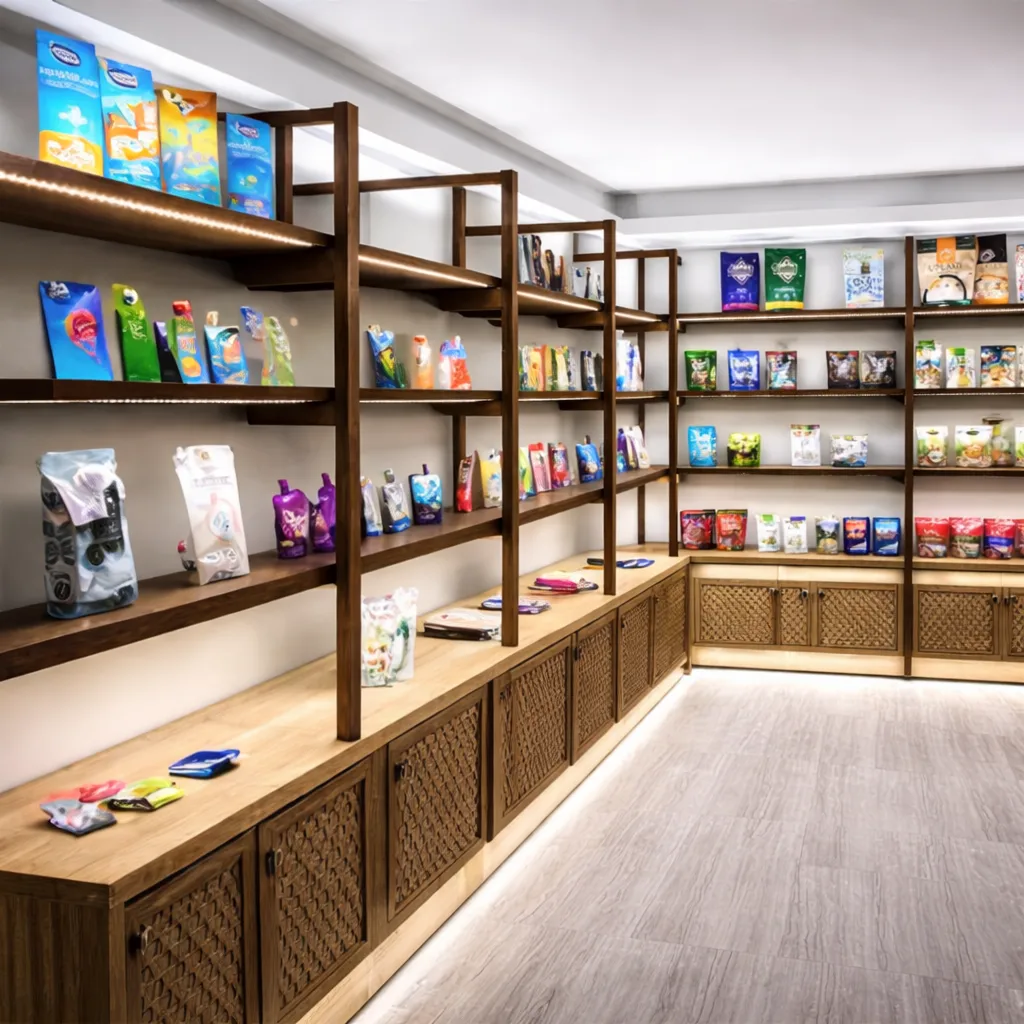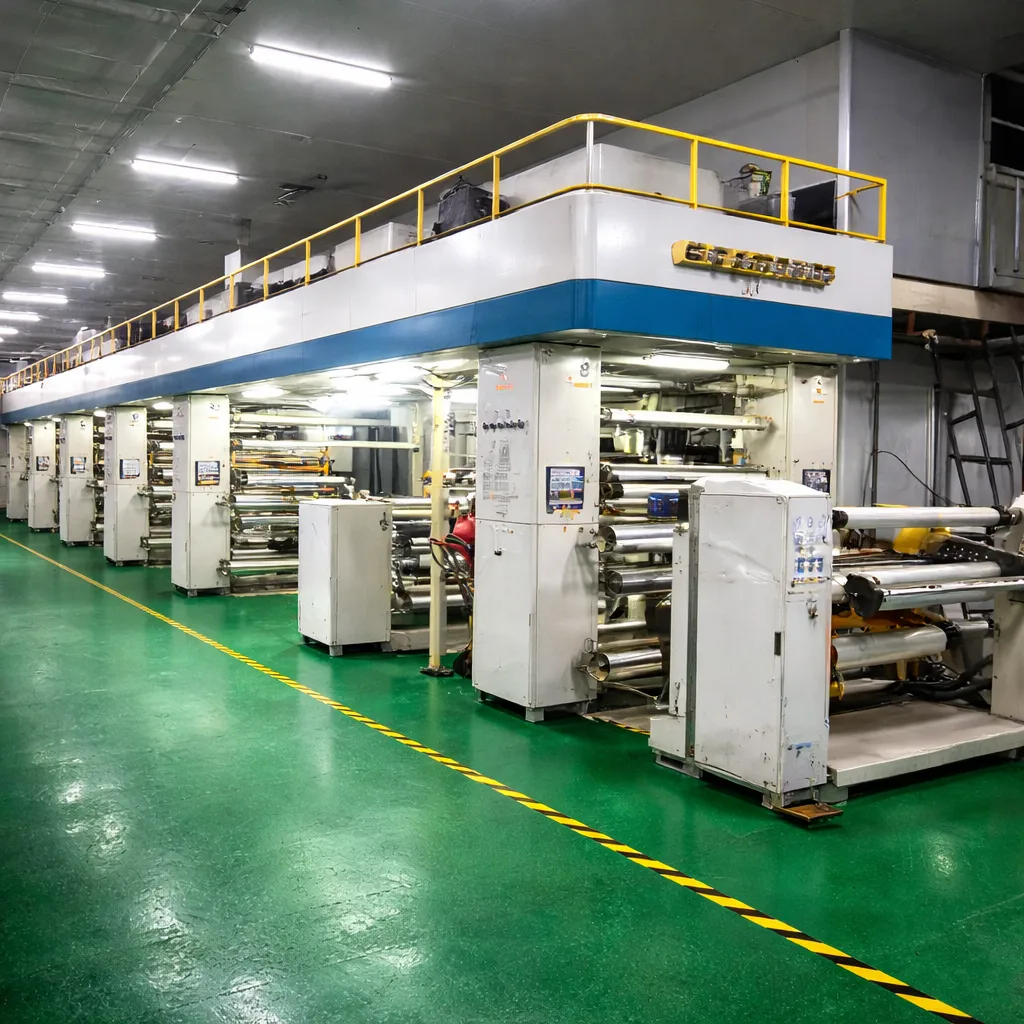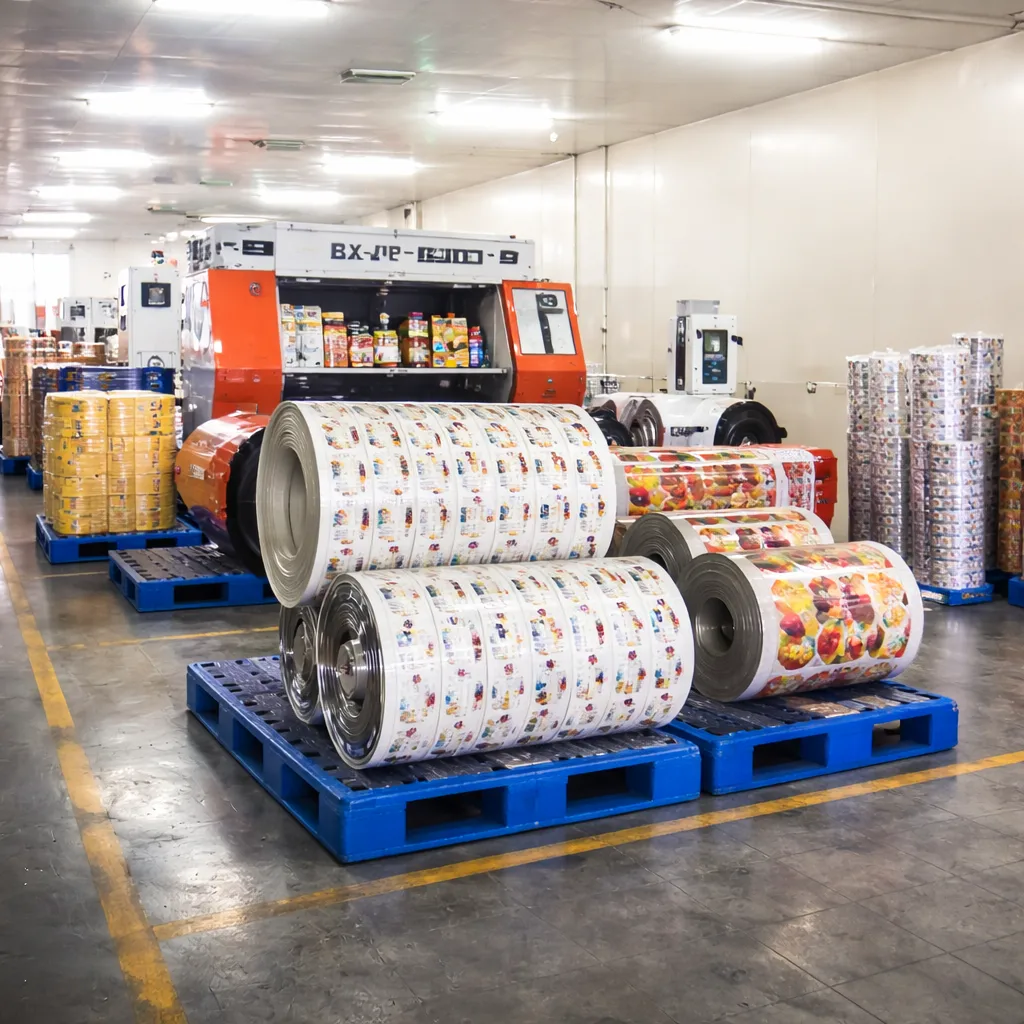


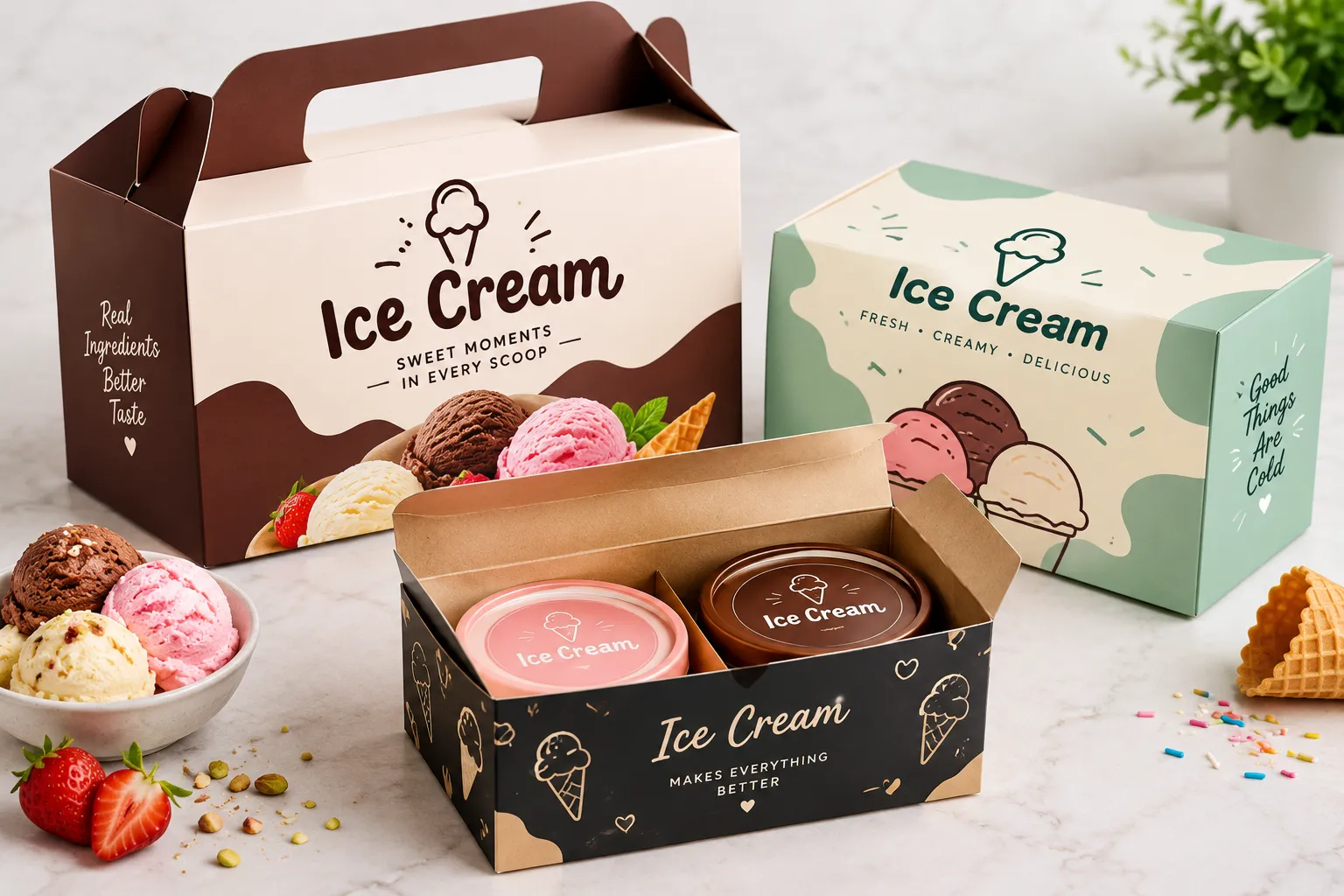
A cold treat sells first with the eyes. Packagly works with ice cream makers, gelato shops, and dessert brands that want the pack to look as good as the flavor inside. Custom ice cream packaging boxes protect the product, hold up in a freezer, and give your brand a clear voice on a crowded shelf.
Think about the last time you picked up a pint in a store. What made you reach for it? Color, shape, and a clear flavor name usually decide the sale in seconds, long before anyone tastes a spoonful.
This guide covers materials, production steps, cost factors, and supplier checks. Whether you run a small parlor in Manchester or ship pints across Ontario, the same basics apply. Read on, and you will have a clear plan for your next packaging order.
Why brands choose custom printed ice cream boxes
Most shoppers judge a frozen dessert in a few seconds. A bold carton with a clear flavor name, a clean logo, and strong color helps your product stand out in a freezer aisle where every shelf looks the same. Custom printed ice cream boxes give you control over each of those details.
Well-made custom ice cream packaging boxes do three jobs at once. They keep the product cold and clean, they carry the information that regulators require, and they tell your brand story. One carton can show flavor, ingredients, and personality in a single glance.
Product format changes the brief. A US pint holds 473 ml, and many UK tubs hold 500 ml. Novelty bars need printed sleeves or cartons, and ice cream cakes need rigid boxes with a grease-resistant liner. Tell your supplier the exact format before you start designing.
Sellers use packaging in different ways. A craft producer in Brighton may choose soft kraft tones that suggest natural ingredients. A novelty brand in Texas may prefer bright foil effects that catch the light under freezer glass. Both choices work when the design matches the buyer.
Regulation shapes the product too. Under Title 21 of the U.S. Code of Federal Regulations (2024), a product must contain at least 10 percent milkfat to be sold as ice cream. Your carton must name the product correctly, so the recipe and the box need to agree.
Materials and box styles for frozen dessert packaging
Material choice decides how a carton behaves around frost, condensation, and warm hands. Most custom ice cream packaging boxes start with paperboard because it prints sharply and folds cleanly. The coating on that board matters more than its thickness.
Coated solid bleached sulfate board gives the brightest print and a smooth surface, which suits premium pints. The Kraft board looks natural and handmade, but colors appear softer. Water-based barrier boards resists moisture without plastic film, and many recycling streams accept it. Corrugated board works best as an outer shipping carton, not as the retail pack.
Style matters too. Pint boxes with a fold-down lid suit take-home tubs. Sleeves slide over a plastic pot, so you can change the design for each flavor without changing the pot. Window cartons show swirls and inclusions. Multipack sleeves hold four or six novelty bars for retail.
Finish changes both look and touch. Matte coating gives a soft, modern feel. Gloss makes colors pop. Spot gloss and foil highlight a logo or flavor name without covering the whole box. Keep the design simple, because too many effects can crowd a small carton.
Climate changes briefly. The USDA Food Safety and Inspection Service (2013) advises holding frozen food at 0°F, or minus 18°C, so cartons must stay firm at that temperature. In hot markets such as Australia and South Africa, products spend longer in warm vans and shop trays. Buyers there should ask for a stronger barrier and a corrugated outer carton for transport.
One food packaging consultant in the United Kingdom puts it simply: most failures come from moisture, not from the print. A board without a proper barrier softens in the freezer, and the corners start to collapse within weeks.
Waste rules push choices too. The U.S. Environmental Protection Agency (2018) reports that containers and packaging made up 28.1 percent of municipal solid waste, so many buyers now ask for recyclable boards.
The table below compares four common options at a glance.
|
Material |
Moisture barrier |
Print quality |
Recyclability |
Best for |
|
Coated SBS paperboard |
Strong with coating |
Sharp, bright |
Widely accepted |
Premium pints and cakes |
|
Kraft paperboard with liner |
Medium to strong |
Soft, earthy |
Good |
Craft and natural brands |
|
Water-based barrier board |
Strong |
Sharp |
Good, plastic-free |
Eco-focused retail packs |
|
Corrugated E-flute |
Medium |
Fair |
Widely accepted |
Outer shipping cartons |
The production process from first brief to finished cartons
A clear process saves time and prevents costly reprints. Most orders follow the six steps below.
- Brief: share the pint size, fill weight, and order quantity with your supplier.
- Dieline: receive a flat template that shows folds, glue areas, and safe zones.
- Artwork: place your design on the dieline using food-safe inks and correct bleed.
- Proof: approve a digital proof first, then a physical sample for freezer testing.
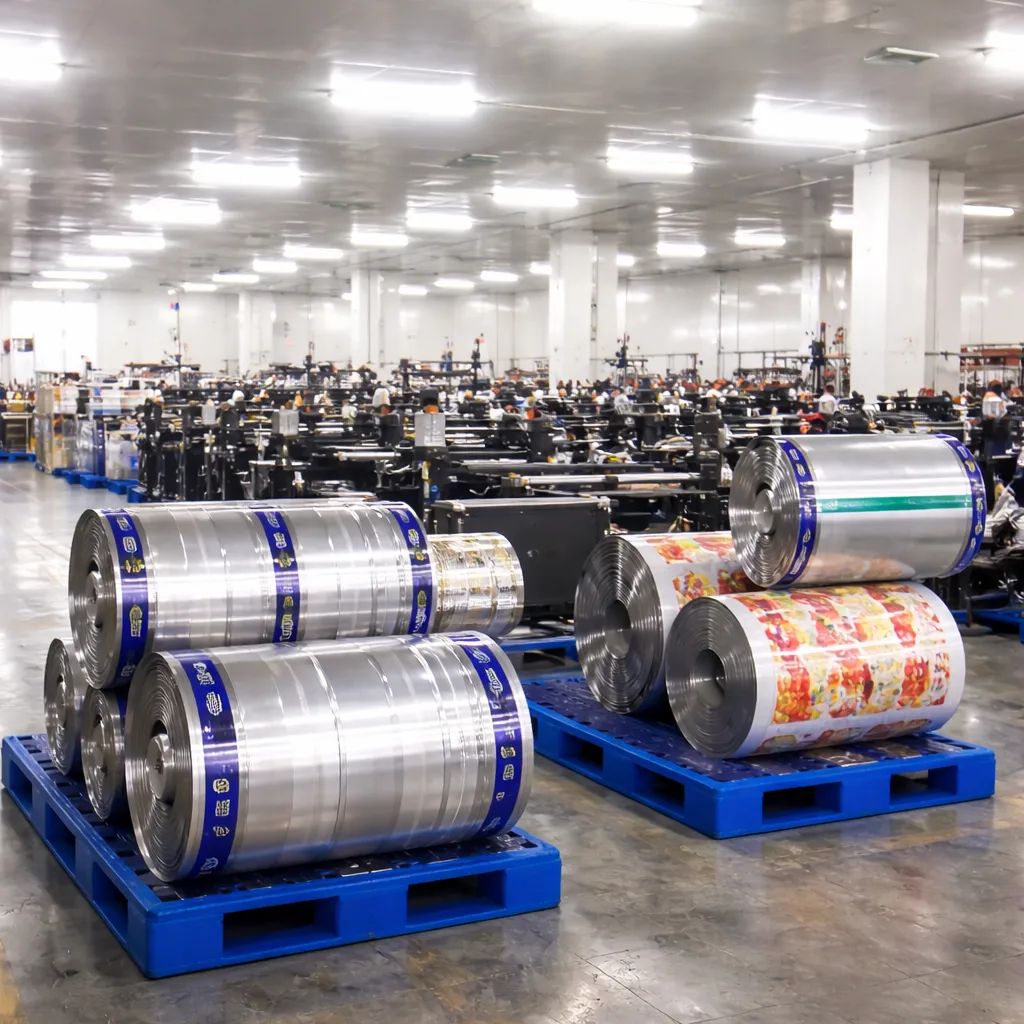
- Print and finish: the run is printed, coated, and finished with matte, gloss, foil, or spot gloss.
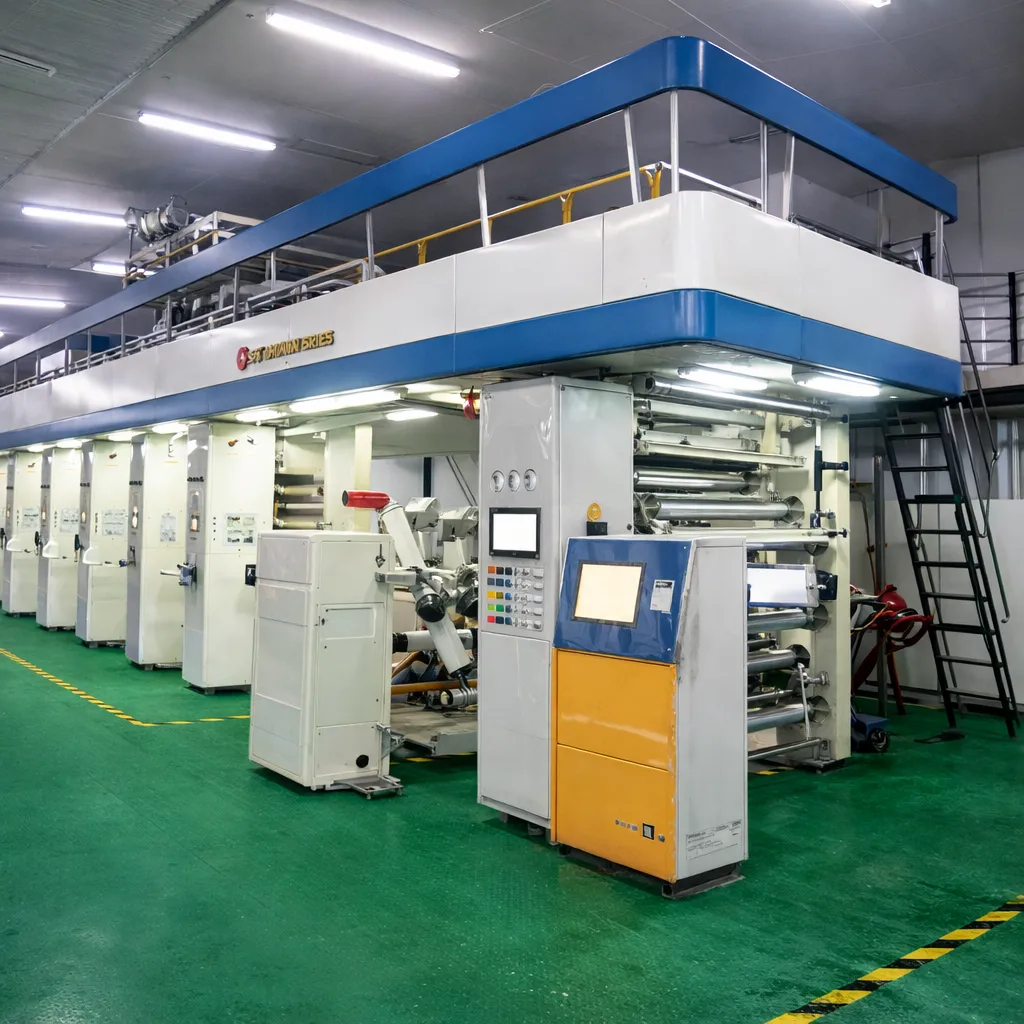
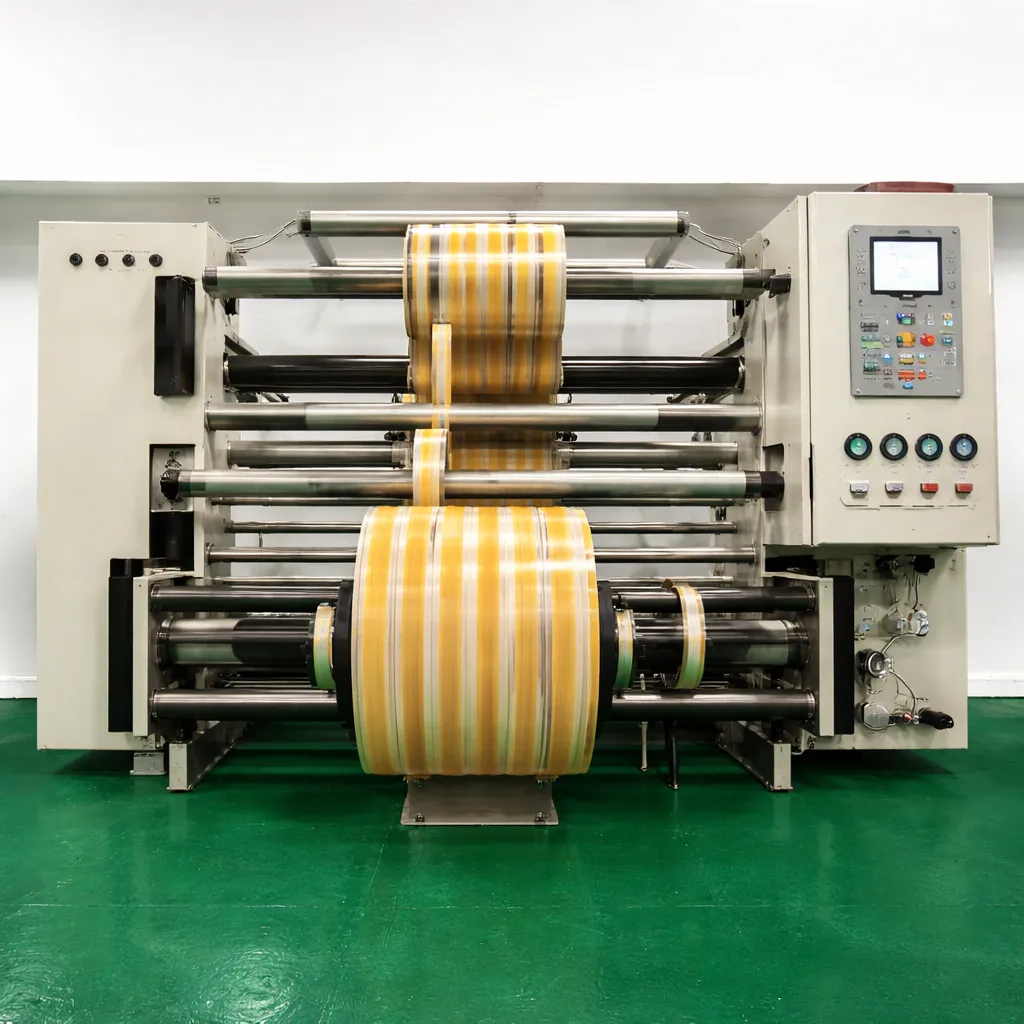
- Cut, glue, and pack: cartons are die cut, folded, inspected, and flat packed for freight.
Why test a sample in your own freezer? A carton that looks perfect on a desk can behave very differently at minus 18°C. Leave it overnight, then check the lid, the corners, and the print. Never approve a full run before a freezer test.
Take a small gelato maker in Toronto that moves from plastic tubs to paperboard pints. The owner orders a sample batch of 500 cartons, tests them for two weeks, and finds that the lid edge softens. The supplier changes the coating before the full run starts, and the owner avoids a costly mistake.
Companies like Packagly that produce custom boxes for food and dessert brands in the United States and overseas usually guide buyers through these steps and flag problems at the proof stage. Standard lead times run from three to five weeks after proof approval, depending on volume and finishes.
Cost factors and how to choose a supplier
Price is only one part of a good packaging decision, yet it is where most buyers begin.
What shapes the price
Quotes vary, but six factors drive most of them.
- Order quantity
- Board type and barrier coating
- Box size and style
- Number of colors and finishes
- Tooling, plates, and dies
- Freight, duties, and lead time
As a rough guide, a run of 1,000 printed pint boxes often costs between $0.60 and $1.50 per unit, and runs above 10,000 can fall below $0.50. Ordering ice cream pint boxes in bulk lowers the unit price because setup costs spread across more cartons. Actual prices depend on the supplier and the specification.
Buyers in the UK, Ireland, and Canada should add freight and import duties to every quote. A low factory price can lose its edge once shipping costs land.
Smaller costs hide in the details. Sample rounds, die setup fees, and warehouse space for flat-packed cartons all add up. Is the lowest price worth a collapsed lid in the freezer? Ask for every fee in writing, so the final invoice holds no surprises.
How to choose a supplier
Start with food safety. Ask for documents that show the board, coatings, and inks meet food-contact rules, such as FDA requirements in the United States or Regulation (EC) No 1935/2004 as retained in Great Britain.
Next, check the practical details. These five questions sort strong suppliers from weak ones quickly:
- Can you show freezer-tested samples?
- What is your minimum order quantity?
- How long does production take after proof approval?
- Which food-contact documents can you supply?
- Do you offer recyclable barrier options?
A supplier that focuses on custom food boxes, like Packagly, tends to know which coatings hold up in a freezer, can provide food-contact paperwork, and keeps dielines for common pint and tub sizes. A general print shop or a national office-supply chain may not test boards at freezer temperatures or hold that paperwork on file.
Communication matters too. A supplier that answers questions within one working day and explains proof changes in plain language will save you stress during production. Good service often predicts good quality.
Frequently asked questions
What are custom ice cream packaging boxes made from?
Custom ice cream packaging boxes are usually made from coated paperboard, kraft board with a food-grade liner, or water-based barrier board. The coating or liner blocks moisture and frost. Corrugated board is used for outer shipping cartons, because it protects the product during freight but does not print as sharply.
How much do custom ice cream boxes cost?
Typical pricing for printed paperboard pint boxes ranges from about $0.60 to $1.50 per unit on runs of 1,000, and it falls as volume rises. Board type, coating, finishes, and tooling all change the quote. Ask each supplier for an itemized estimate so you can compare offers fairly.
What is the minimum order for ice cream pint boxes in bulk?
Minimums vary by printing method. Digital printing may start at 100 to 500 cartons, and offset printing often starts at 1,000 or more. Smaller runs cost more per unit, so many brands order a small test batch first and place a larger order after freezer testing.
Are custom ice cream boxes with a logo food safe?
They can be, if the supplier uses a food-contact board, compliant inks, and approved coatings. In the United States, packaging that touches food must meet FDA rules. In the United Kingdom, Regulation (EC) No 1935/2004, as retained in Great Britain, applies. Ask for a declaration of compliance before you order.
Do I need a permit to sell packaged ice cream in the United States?
Yes, in most cases. State and local health departments issue food business licenses and inspect production sites. The FDA sets labeling rules for the product name, net quantity, ingredients, allergens, and manufacturer details. Check with your state agency, because requirements differ by location and by sales channel.
Where can I find ice cream box suppliers in the UK?
Start with packaging manufacturers that serve food brands and hold a recognized standard such as BRCGS Packaging Materials. Request freezer-tested samples and compliance paperwork. Trade fairs and food industry associations often share supplier lists, too. Compare at least three quotes before you decide.
Can paperboard cartons survive freezer storage?
Yes, when the board has the right barrier coating or liner. Frost and condensation soften plain boards quickly, so uncoated cartons fail in the freezer. Test a sample at minus 18°C for at least a week and check the lid, corners, and print before approving a full order.
What packaging works for gelato shops in Canada?
Gelato shops in Canada usually choose coated paperboard tubs or pint boxes with secure lids. Labels must follow Canadian Food Inspection Agency rules, which require bilingual English and French information on most prepackaged foods. Confirm the label layout with your supplier before printing.
How long does production take for custom ice cream cartons?
Most suppliers quote three to five weeks after proof approval, depending on quantity, printing method, and finishes. Design and sampling add time before that. Plan your order at least two months before a seasonal launch, and add extra days for sea freight if the supplier is overseas.
Can I order custom ice cream cartons in Australia for hot weather?
Yes. Hot conditions strain packaging during transport, so ask for a strong moisture barrier and use a corrugated outer carton. Labels must follow Food Standards Australia New Zealand rules. Ship in insulated, temperature-controlled freight so that the cartons arrive firm and clean.
The next step is simple. Measure your container, choose a barrier board, and request a freezer-tested sample before you commit to a full run. If you want a team that works with food packaging, reach out to Packagly for a free quote and ask about material options for your product. Take your time, compare samples, and choose the pack that suits your product and your budget