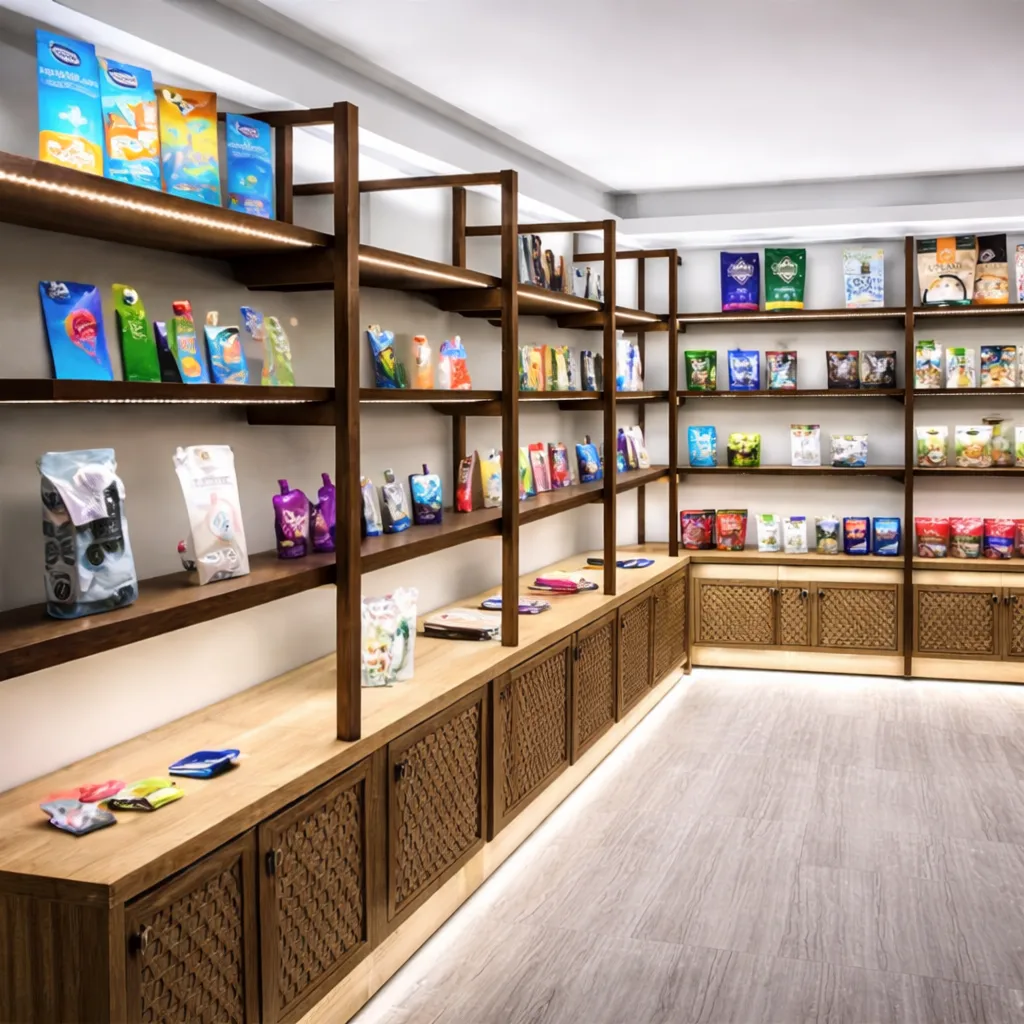


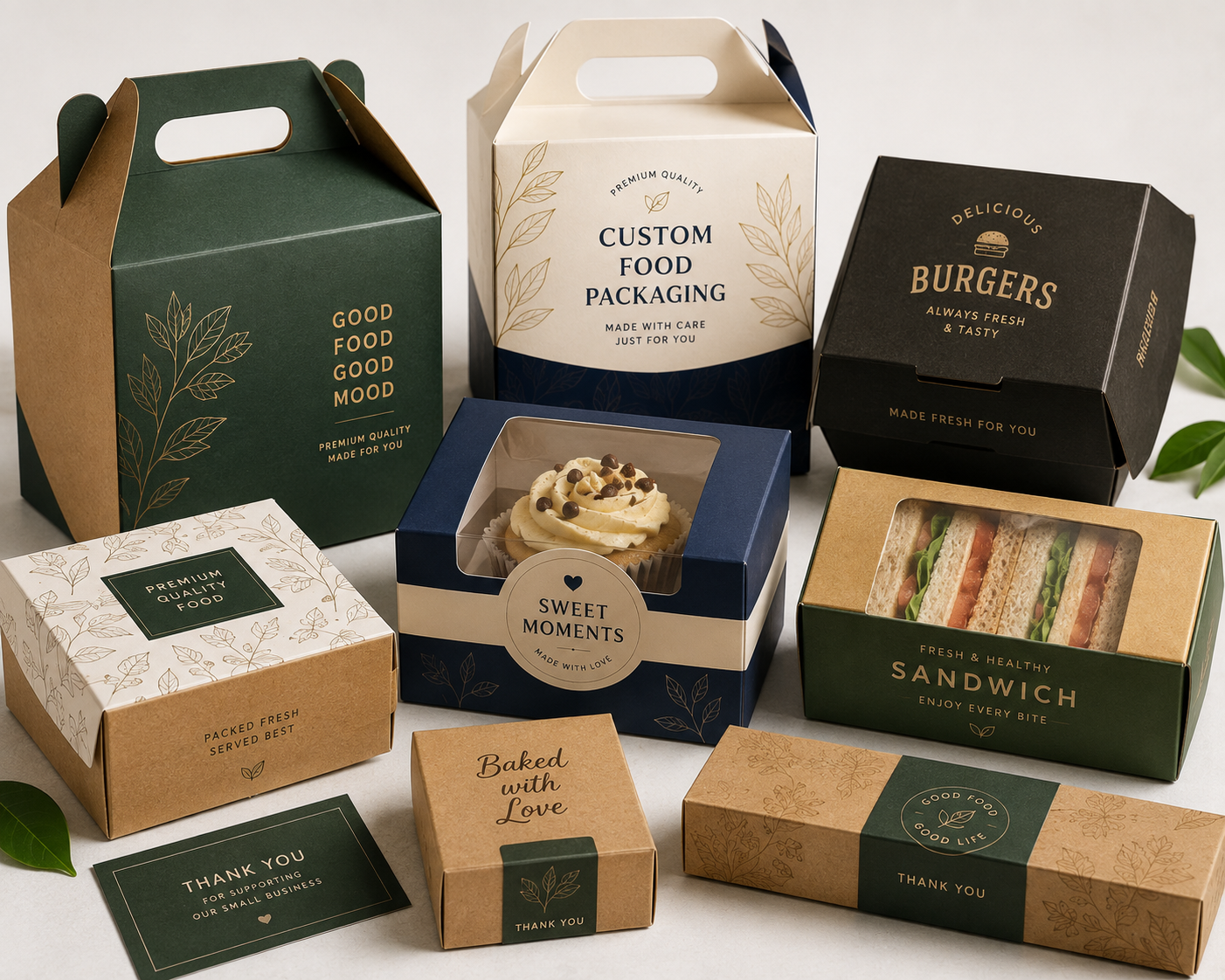
Packagly works with food brands every week who ask the same question: how do we stop our products from getting crushed, leaking, or losing freshness before they reach the shelf? Custom food packaging boxes solve that problem when they are built around the actual product, not a generic template pulled off a warehouse shelf.
A box that fits loosely lets contents shift during transport. One that ignores grease or moisture exposure fails within days. Have you ever opened a shipment and found half the boxes dented or stained? That single moment can cost a brand a repeat customer.
This guide walks through the materials, the production process, and the real cost ranges you should expect when ordering custom food packaging boxes for a bakery, snack line, deli counter, or subscription box service. You will also find a comparison table, answers to common questions, and a few pointers on choosing a packaging partner who understands food-grade requirements.
Why food brands invest in custom packaging
Generic stock boxes rarely match the shape of the product inside them. A muffin tray, a twist top snack box, and a chilled meal kit all need different wall thickness, ventilation, and closure styles. Custom food packaging boxes close that gap by matching the box to the product from the start.
The market backs this up. The global food packaging market was valued at roughly 425 billion dollars in 2025, according to IMARC Group (2025), and much of that growth is tied to brands moving away from generic containers toward packaging built for a specific product and shelf. Paper and paperboard formats now lead new packaging launches, largely because they print well and recycle easily compared with older plastic trays.
Custom food packaging boxes also carry brand identity on every surface. A logo on the lid, a window that shows the product, or a matte finish that signals a premium tier all shape how a customer feels before they open the box. None of that happens with a plain corrugated carton pulled from a generic supplier catalog.
Material options for custom food packaging boxes
Picking a material means balancing cost, protection, and how the box will travel. Kraft paperboard suits bakery and retail-ready items that need a natural look. Corrugated cardboard handles heavier products or long shipping routes. Rigid board works for gift-tier items where presentation matters more than weight savings.
Moisture exposure changes the calculation fast. A box heading to a refrigerated case needs a wax or poly coating, while a shelf-stable snack box does not. Grease-heavy foods, like fried snacks or baked goods, need a liner or coating that stops oil from soaking through the print.
|
Material |
Avg. Cost per Unit |
Best For |
Maintenance |
|
Kraft paperboard |
$0.20–$0.45 |
Bakery, retail-ready snacks |
Low, keep dry |
|
Corrugated cardboard |
$0.35–$0.70 |
Shipping, bulk orders |
Low |
|
Rigid board |
$1.00–$2.50 |
Gift sets, premium lines |
Store flat, avoid crushing |
|
Coated paperboard |
$0.40–$0.85 |
Frozen or chilled items |
Moisture-resistant, low upkeep |
How the design and production process works
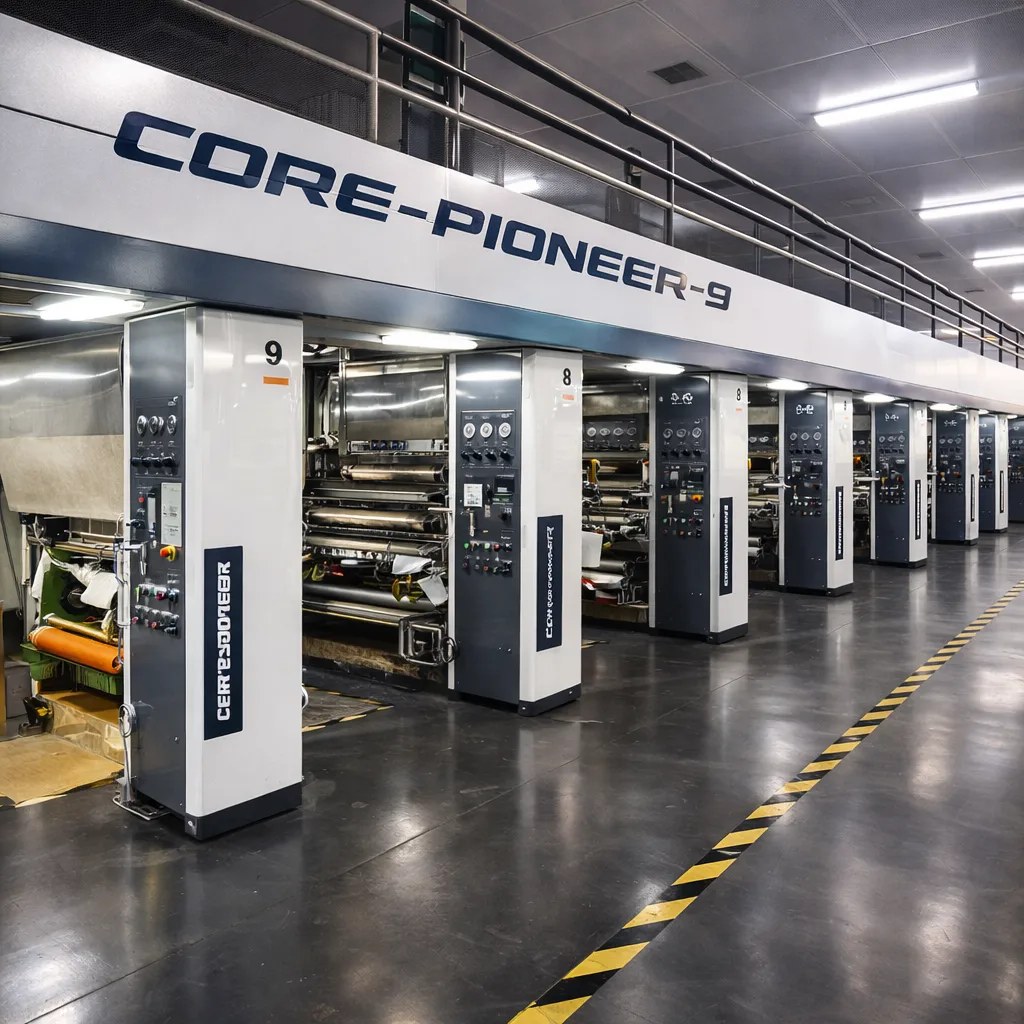
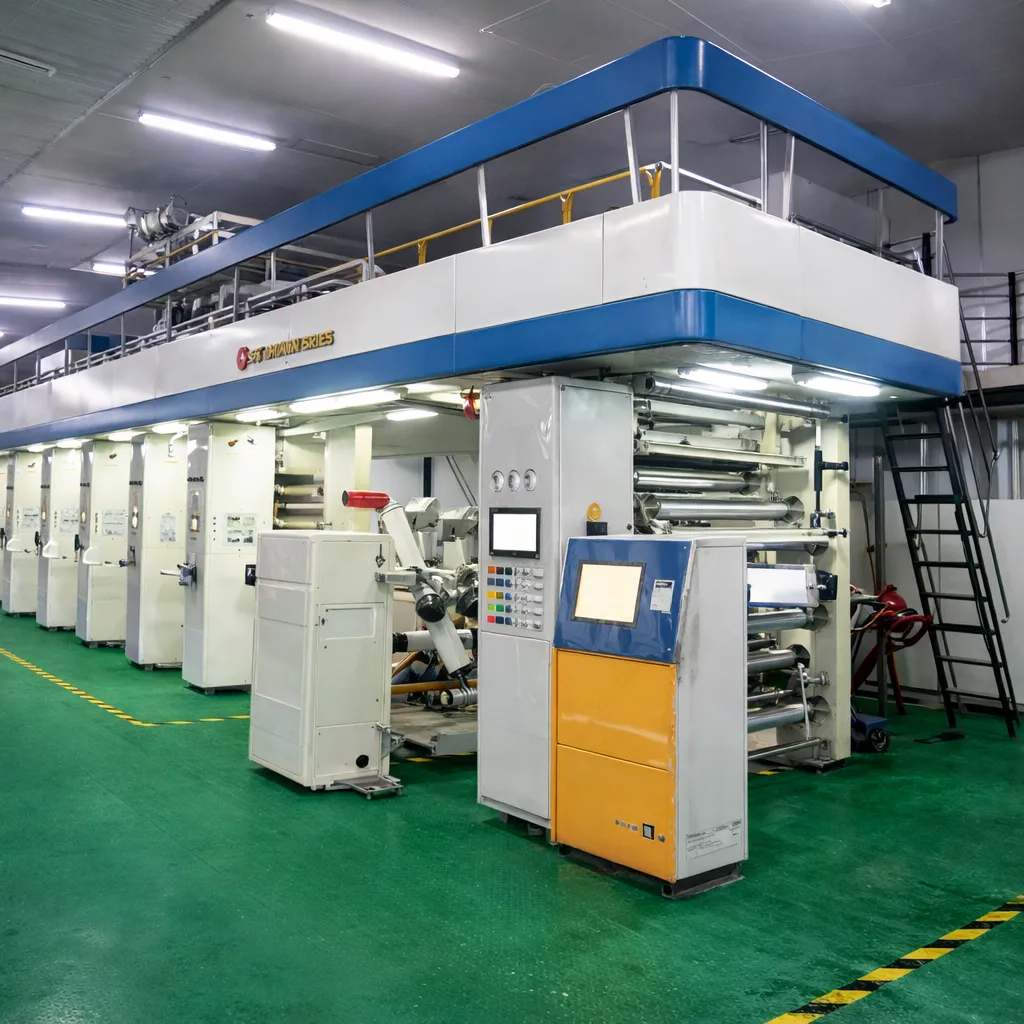
The process starts with a die line, a flat template that shows exactly how the box folds. A packaging team builds this around the product dimensions, not the other way around. Skipping this step is the most common reason a first print run does not close properly.
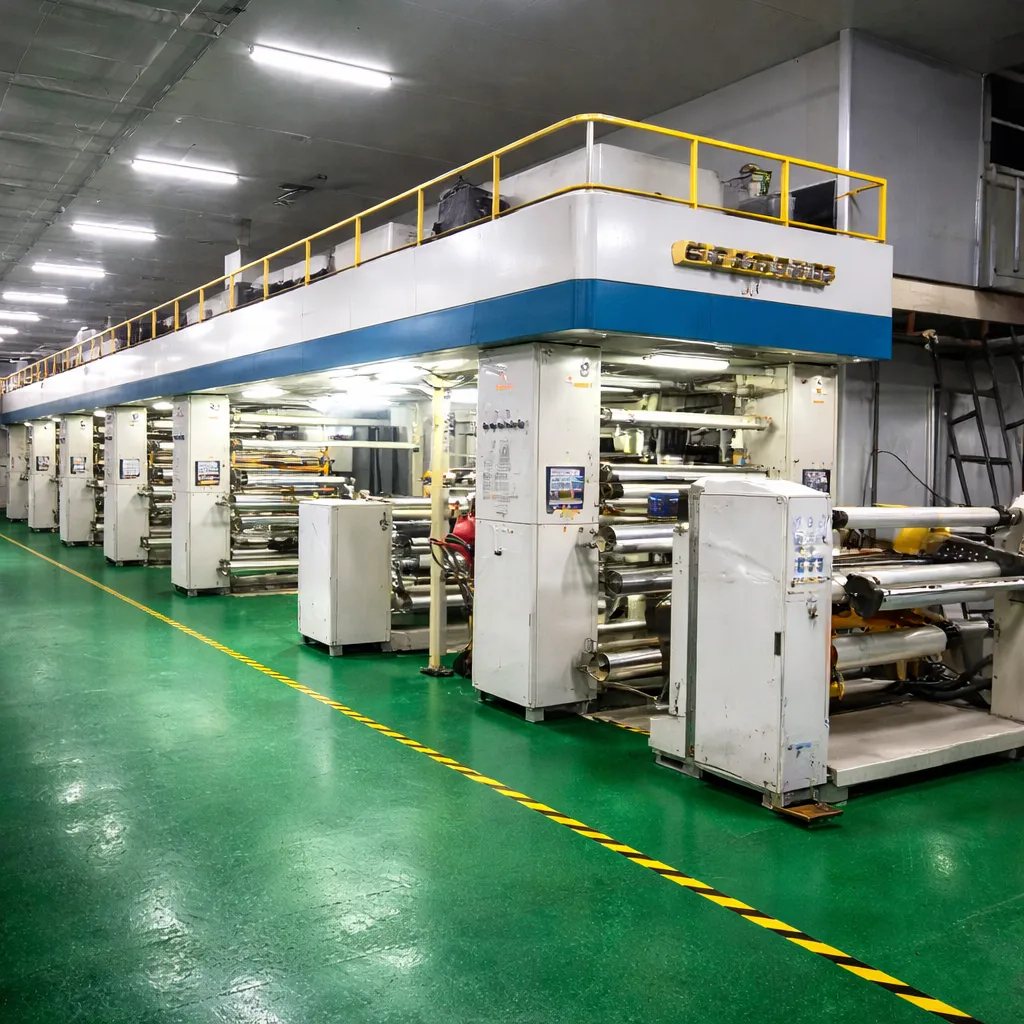
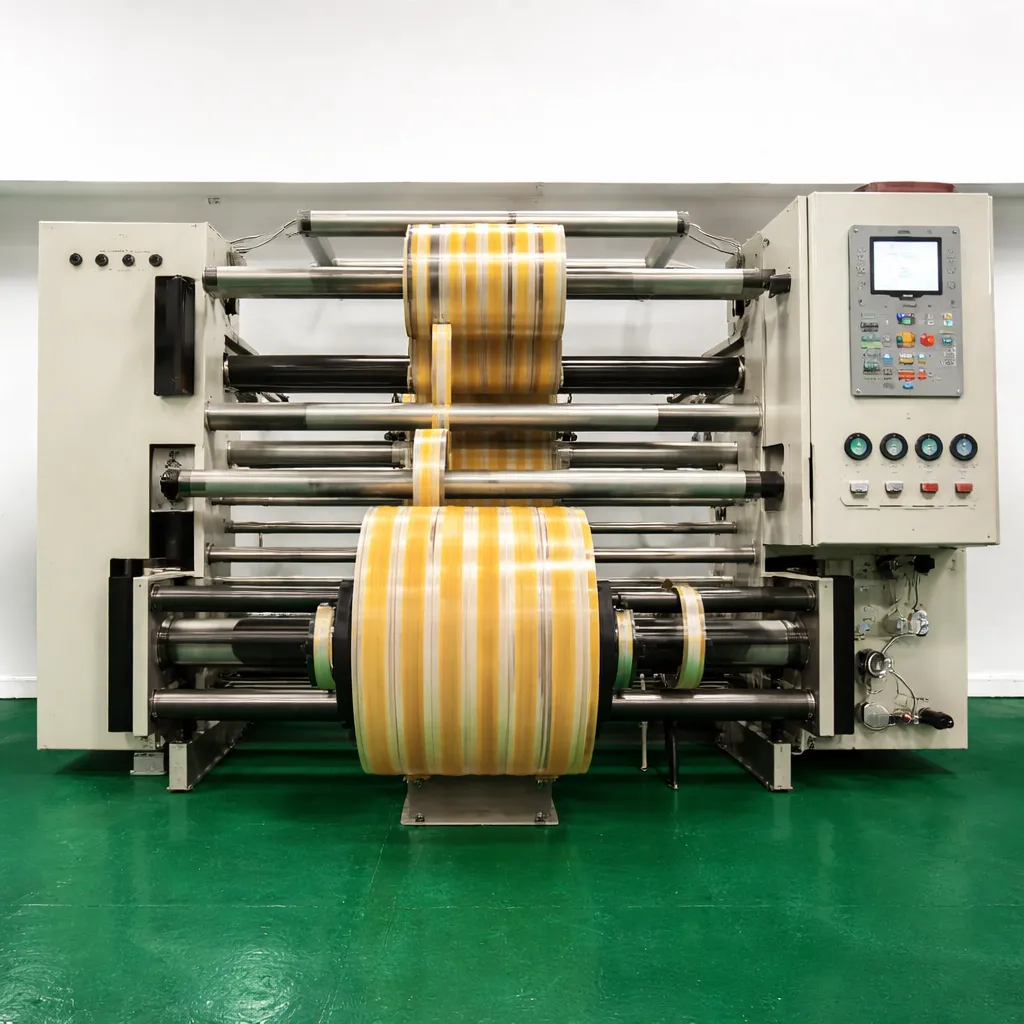
Printing comes next. Offset printing gives sharp detail and works best for large runs, while digital printing suits smaller batches where speed matters more than fine color matching. Foil stamping or spot varnish can highlight a logo without printing the whole box in that finish.
A sample proof should always precede a full production run. One regional bakery we spoke with skipped this step to save a week of lead time, then found the window cutout on their box did not line up with the product tray inside. The reprint cost more than the sample would have.
"Most damage claims trace back to a box that was never tested with the actual product inside it," said a licensed packaging consultant based in Toronto. "A five-minute sample check saves weeks of returns later."
What drives the cost of custom food packaging boxes
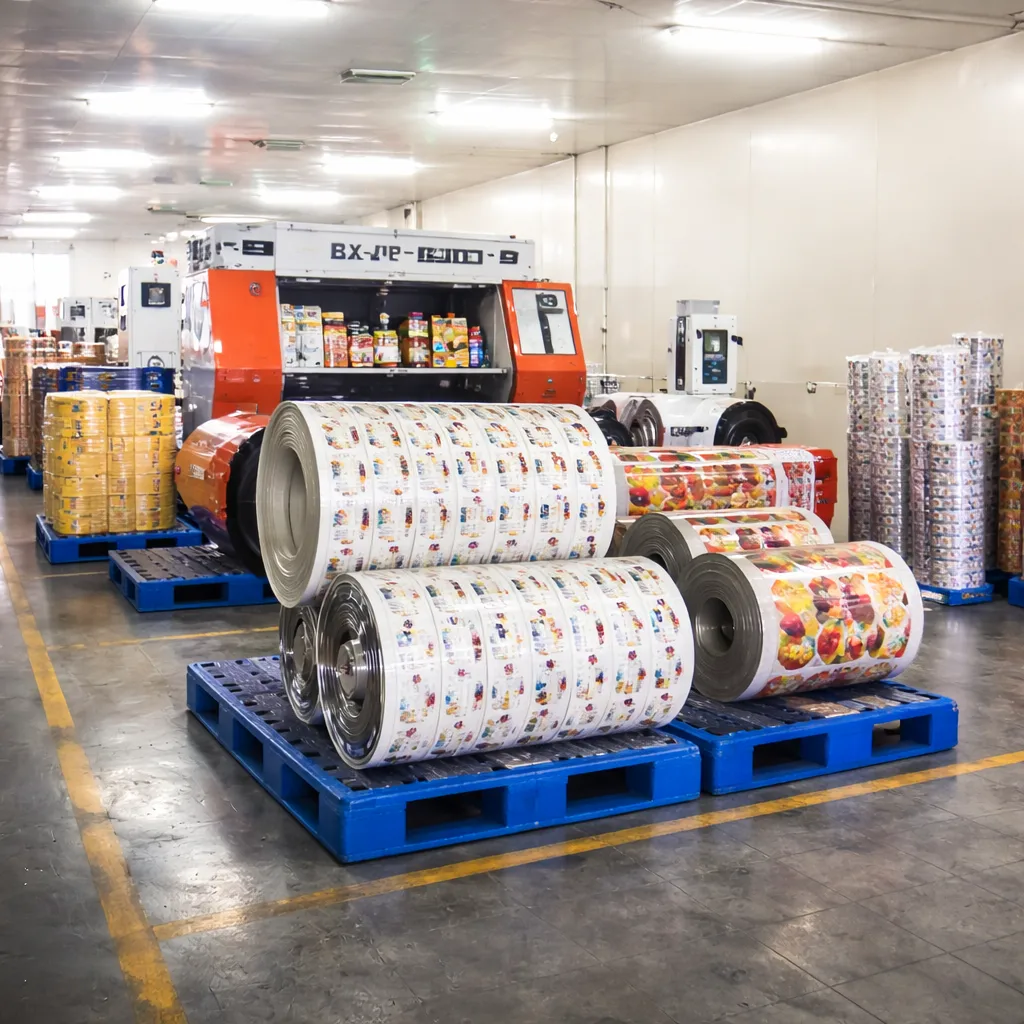
Order volume moves the price more than any other factor. A run of 500 units costs far more per box than a run of 10,000, since setup costs for plates and dies spread across fewer units. Material thickness, coating, and the number of print colors add cost on top of that base.
Roughly 60 percent of consumers now favor packaged, ready-to-eat foods because of busy schedules, according to Grand View Research (2024), and that shift has pushed more small and mid-size food brands into custom packaging runs that used to be reserved for larger companies. Digital printing has made this shift affordable, since it removes the plate setup cost that once made short runs expensive.
Shipping and storage also factor into the real cost. Flat-packed boxes take up far less warehouse space than pre-assembled ones, which lowers freight and storage fees for brands ordering in bulk. A supplier who assembles on demand rather than storing finished boxes usually passes that savings along.
Choosing a packaging partner you can trust
Food-contact packaging in the United States must meet FDA food contact substance rules under Title 21 of the Code of Federal Regulations, and packaging sold into the UK or EU must satisfy the Framework Regulation on materials intended to touch food. A supplier who cannot explain how their boxes meet these rules is not one to trust with a food product line.
A contractor who works exclusively on food packaging, rather than general print jobs, will have handled that compliance question many times already. Local companies like Packagly focus specifically on custom food packaging boxes for regional food brands, which means they understand grease resistance, cold-chain coatings, and the permit questions that come up with local health departments.
That focus matters more than it sounds. A general print shop might handle a run of business cards one week and a food box the next, without carrying food-grade coating stock on hand. A specialist keeps that stock ready and already knows which finishes hold up under refrigeration.
Frequently Asked Questions
What are custom food packaging boxes made from?
Most custom food packaging boxes use corrugated cardboard, kraft paperboard, or rigid board, depending on product weight and shelf life. Corrugated suits shipping, while kraft paperboard gives a natural, retail-ready look for bakery and snack items.
How much do custom food packaging boxes cost?
Pricing depends on box size, material, print colors, and order quantity. Small digital print runs usually cost more per unit, while bulk offset runs bring the cost per box down significantly over time.
What print methods work best on twist top boxes?
Offset printing gives the sharpest results for large runs, while digital printing suits smaller orders where speed and lower setup costs matter more than fine detail. Foil stamping works well for logos on premium product lines.
Are custom food packaging boxes food safe?
Yes, food-grade boxes use materials and coatings that meet food contact safety standards. Always confirm with your supplier that the specific box type carries food-safe certification before placing a full order.
What is the minimum order quantity for custom boxes?
Minimum order quantities vary by supplier and print method, often starting around 100 to 500 units for digital printing and higher for offset runs. Smaller brands should ask about low minimum options up front.
How long does production take for custom food packaging boxes?
Production typically takes one to three weeks depending on design approval, material availability, and order size. Rush production is often available for an added fee if the timeline is tight.
Can custom food packaging boxes be recycled locally?
Most kraft and corrugated boxes recycle easily, especially without plastic laminates or heavy foil coatings. Check with your local recycling program, since coated or waxed boxes sometimes need separate handling.
Do custom food packaging boxes need any permits?
Packaging that touches food directly must meet food contact material regulations, which vary by country and sometimes by state or province. Confirm compliance with your supplier or a local health authority before production.
How do custom boxes hold up in humid or cold climates?
Boxes with moisture-resistant or wax coatings perform better in humid or refrigerated conditions, while standard kraft board suits drier storage. Choosing the right coating matters most for chilled or frozen product lines.
What design details should I include on my packaging?
Clear branding, ingredient information, and any required labeling should be part of the design from the first draft. Leaving space for barcodes and nutrition panels avoids costly layout changes later.
Where can I find a local supplier for custom food packaging boxes?
Local packaging companies usually offer faster turnaround and easier communication during design revisions. Companies like Packagly work directly with regional food brands on material selection, printing, and box structure.
What is the difference between corrugated and rigid box packaging?
Corrugated board is lighter, cheaper, and better suited to shipping and bulk storage. Rigid board costs more but gives a sturdier, premium feel that fits gift sets and higher-end retail packaging.
Getting your packaging right the first time
Choosing the right box comes down to matching material, print method, and coating to how the product actually travels and sits on a shelf. A sample run before full production catches most problems before they become expensive ones. If you want a local team that understands food-grade coatings and the local permit process, reach out to Packagly for a free packaging assessment and a straightforward look at your material options