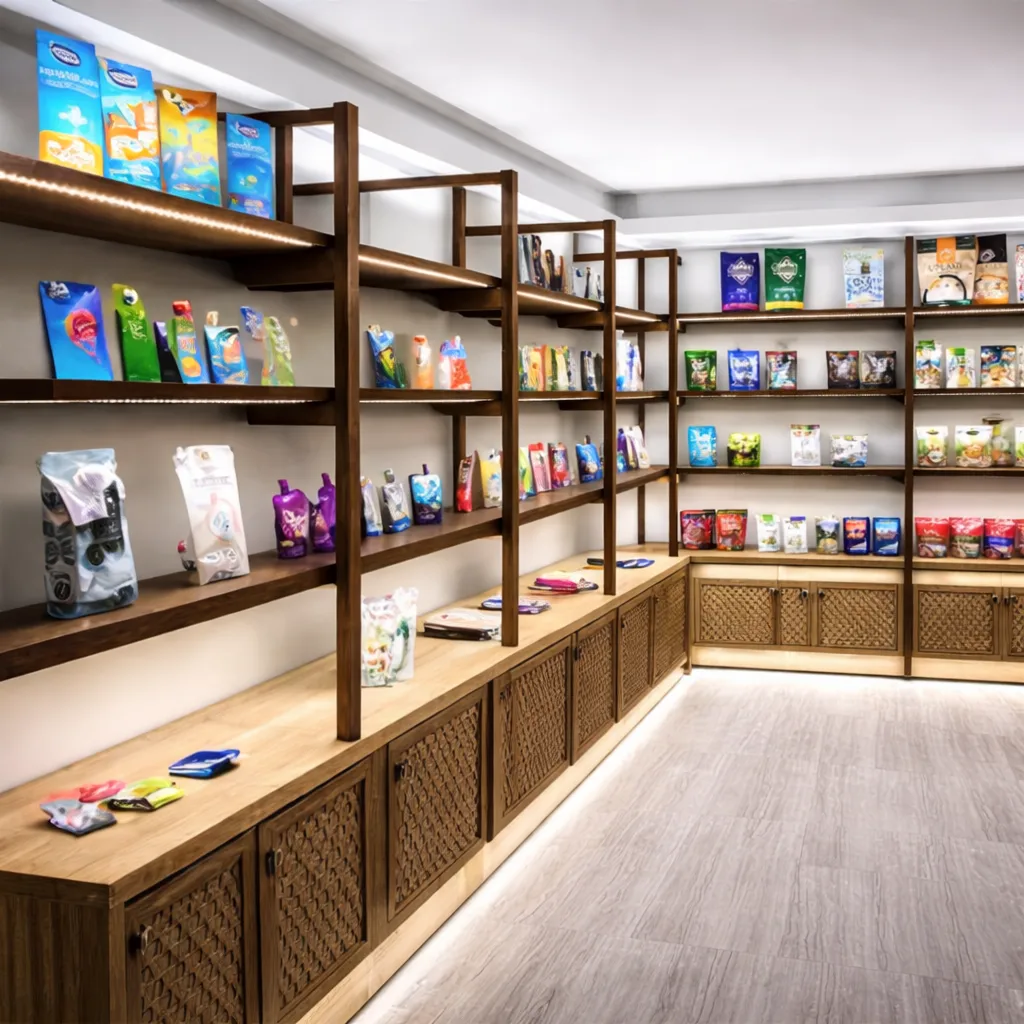


Packagly helps small and mid-size brands stand out on crowded shelves, and one of the simplest ways to do that is custom belly band packaging. A belly band is a printed strip of paper or card that wraps around a box, jar, or bundle. It costs less than a full carton, yet it still carries your logo, story, and key product details.
Why does such a small piece matter so much? Shoppers decide fast. According to Ipsos research for the Paper and Packaging Board (2018), 72% of American adults said packaging design can influence what they buy. A band gives you a quick, low-risk way to use that influence.
In this guide, we cover the styles, materials, steps, and costs behind a good band. We keep the advice practical, so you can brief a printer with confidence. Do you sell soap, candles, tea, or gift sets? Most of what follows applies to all of them.
Why brands choose wraparound bands over full boxes
Small brands often face a tough choice between a plain box and an expensive rigid carton. A band sits in the middle. You keep your standard container and add one printed layer of branded packaging.
Custom belly band packaging works well because it changes the look without changing the product. You can swap a seasonal band quickly and keep the same base box. That flexibility suits holiday editions, limited flavours, and new scent ranges.
Bands carry practical weight too. A band can hold a lid closed, bundle two items, or act as a tamper-evident seal. Retailers like the extra space for barcodes and ingredient notes. For gift sets, a band frames the product like a present.
Shoppers notice the effort, and it shapes the unboxing experience at home. In research by Pelican Communications (2014), almost a quarter of surveyed consumers said they had bought a product simply because they liked its packaging. Custom printed belly bands for soap, tea, or candles give a small brand that same pull without a big print bill.
Is a band right for every product? No. Heavy items need a sturdy box beneath, and fragile goods still need inner protection. A band is a branding layer, not a shipping shield.
Styles, materials, and finishes for product sleeves
Your choice of style depends on the container, the budget, and the look you want. Full wrap bands circle the whole product and overlap at the back. Half wraps cover the front and sides only. Strip bands hold lids or bundle items, and sleeves slide over a box like a jacket.
Paper stock sets the feel. Uncoated kraft gives an earthy, handmade look and suits soap or tea. The coated art board takes bright colours well and suits cosmetics. Textured and recycled papers add warmth to boutique goods.
Finishes change how a band feels in the hand. Matte lamination cuts glare, and spot UV adds shine to a logo. Foil stamping and embossing give a raised, premium touch. Each one adds cost, so choose one or two.
Many buyers now ask about eco friendly belly band packaging options. FSC-certified paper, soy-based inks, and plastic-free coatings are the usual answers. In the same Ipsos study (2018), 71% of respondents said they were more likely to buy brands that package products in paper or cardboard.
Should the band match the box or contrast with it? Contrast draws the eye. A matching tone looks calm and upscale. Test both on a mock-up before you decide.
The table below compares five common formats so you can narrow your shortlist.
|
Band style |
Best for |
Common stock |
Look and feel |
Setup effort |
|
Full wrap |
Boxes, jars, soap bars |
Coated art board or kraft |
Bold, full-colour coverage |
Low |
|
Half wrap |
Slim boxes, tea packs |
Uncoated kraft |
Light and minimal |
Low |
|
Strip band |
Bundles, lid seals |
Kraft or thin card |
Simple and functional |
Very low |
|
Sleeve |
Gift sets, candles, cosmetics |
300gsm art board |
Premium, box-like |
Medium |
|
Foil-stamped wrap |
Luxury items |
Coated board with foil |
Shiny and high-end |
High |
How the design and print process works
A good band starts with measurements, not artwork. Knowing how to design a belly band for retail products saves time and revision fees. Printers follow a clear order of work. Here is how most projects run.
- Measure the product at its widest point and note the height you want the band to cover.
- Request a dieline from the printer, which is the flat template for your artwork.
- Place your design inside the safe area and keep logos away from the glue overlap.
- Approve a digital proof, then a physical sample for larger orders.
- Print, cut, and finish the bands.
- Check a sample batch before the full run ships.
According to a packaging designer in the UK, most band problems begin with rushed artwork. She advises leaving at least 3 mm of bleed and checking colour on the real paper, not on a screen.
Consider a small candle brand that sells gift boxes. Its first bands came out loose because the owner measured the lid, not the widest part of the box. A reprint fixed the fit, but the delay cost two weeks. Good belly band packaging for candle boxes starts with a tape-measure test.
Check labelling rules before you finalise the artwork. In the United States, the Fair Packaging and Labeling Act requires the product name and net quantity to appear on the main display panel. A band should never cover mandatory label text. The UK, Canada, and Australia run their own rules, so confirm them before printing.
What drives pricing for printed bands
Costs for custom belly band packaging vary, but the main drivers are easy to spot. Quantity comes first. Setup work for plates and cutting dies spreads across the run, so the price per piece falls as the order grows.
As a rough guide, simple one-colour paper bands often cost between $0.10 and $0.30 each at runs of several thousand. Short runs with foil or embossing can reach $0.80 or more. Treat these as ballpark figures, not quotes.
Size and stock come next. A wider band uses more paper, and a thick art board costs more than kraft. Each finish, such as foil, embossing, or spot UV, adds its own setup step.
Turnaround and freight matter too. Rush jobs raise the price, and shipping across oceans adds freight and duties. Brands in Australia, New Zealand, or South Africa should ask about shipping times and import duties before they order. Does the quote include dielines, proofs, and samples?
How to choose a print partner
A cheap quote means little if the bands arrive late or fit badly. Ask for printed samples on your chosen stock, and ask how the printer handles dielines and proofs. Confirm minimum order quantities and lead times in writing.
Experience with this kind of work matters. A specialist like Packagly handles bands, sleeves, and boxes regularly, so it knows which stocks hold a crisp fold and how to set up dielines for odd shapes. A general print shop may handle flyers well but have less practice with die cutting. A national chain may offer set sizes only, which limits your design.
Location plays a part too. Belly band packaging for small businesses in the UK works best with a printer that offers UK or EU shipping, because customs delays slow launches. Custom belly bands for Canadian retailers must respect bilingual labelling rules, so ask whether the printer can set English and French text cleanly. Check for FSC certification if your customers care about sourcing.
Frequently asked questions
What is custom belly band packaging used for?
Custom belly band packaging wraps a printed strip around a box, jar, or bundle. Brands use it for logos, product details, barcodes, and seasonal messages. A band can hold lids closed, bundle items together, or work as a tamper-evident seal without a full carton.
How much do custom belly bands cost?
Simple one-colour paper bands often cost between $0.10 and $0.30 each at runs of several thousand. Short runs, foil, and embossing raise the price per piece. Ask for quotes at two or three quantities, so you can see where the price drops.
What is the minimum order for printed belly bands?
Minimums depend on the printer and the print method. Digital printing suits short runs of a few hundred bands. Offset printing usually needs much larger quantities to make sense. Ask each supplier for tiered quotes before you pick a print method.
Are belly bands cheaper than full custom boxes?
Yes, in most cases. A band uses a small strip of paper, and you can pair it with a stock box. Brands often save on tooling, storage, and freight, and they can refresh the look by changing only the band.
Do belly bands in the UK need to show labelling details?
Required details such as ingredients, allergens, and weights must stay visible on UK packs. A band must not cover them. If the band carries legal text, confirm the wording with your local Trading Standards office before printing. Rules vary by product category.
Do Canadian retailers need bilingual text on belly bands?
Many consumer products sold in Canada need key details in both English and French under federal labelling rules. If your band carries any of those details, include both languages. Check the rules for your product category before you print, because requirements differ.
Will paper belly bands hold up in humid or hot climates?
Uncoated paper can curl in high humidity, and some glues soften in extreme heat. Coated stock with aqueous coating or matte lamination resists moisture better. Brands shipping to Australia or South Africa should test samples in a warm, humid room for a week.
What paper suits eco-friendly belly band packaging?
Recycled kraft and FSC-certified art boards are common picks. Pair them with soy-based or water-based inks and skip plastic lamination. Ask your printer for certificates if retailers want proof of sourcing. Uncoated stocks recycle easily but scuff sooner than coated ones.
How do I size a belly band for a jar or box?
Measure around the widest point of the product. Add 10 to 15 mm for the glue overlap, then decide the band height. Cut a paper strip to that size and test it on the real product. Approve the dieline only after the strip fits.
How long does belly band production take?
Digital runs often ship about a week after proof approval. Offset runs with foil or embossing can take two to four weeks. Add shipping time, especially for overseas orders to New Zealand or Ireland. Ask for a dated schedule before you pay a deposit.
Can small businesses in Australia order short runs?
Yes. Digital printing makes runs of a few hundred bands practical for small businesses in Australia and elsewhere. Ask about shipping and import duties, and request a sample first so you can check colour and fit. Order the full run only after you approve it.
Which products suit belly band packaging best?
Soap, candles, tea, snacks, cosmetics, and gift sets all suit bands well. They have simple, regular shapes that a strip wraps neatly. Odd shapes need custom dielines, so share a sample with your printer. Fragile items still need a sturdy box under the band.
Your next step
Start with a tape measure, one clear message, and a short list of paper stocks. Order printed samples before you commit to a large run, because a real band in your hand tells you more than any screen proof. When you are ready to compare options, reach out to Packagly for a free quote and ask about material choices for your product. A small test batch costs little and shows how your band looks on a real shelf. There is no rush to decide