

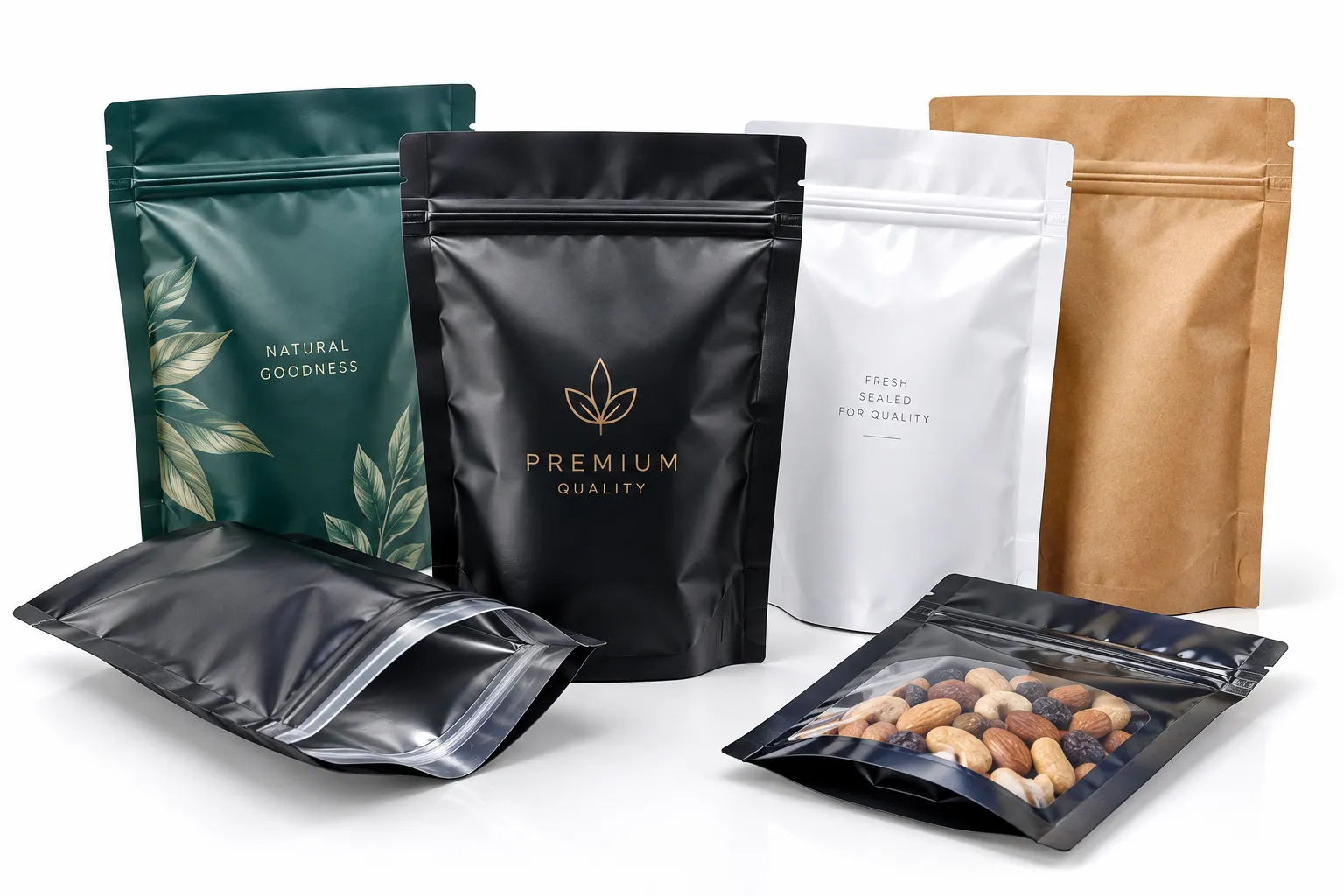
Packagly hears the same concern from brand owners weighing packaging upgrades: does a resealable bag actually change how customers use a product, or is it just a nicer-looking bag? Custom ziplock mylar bags earn their place because the zipper solves a real problem. A bag that reseals properly keeps snacks crisp, coffee fresh, and pre-rolls intact after the first open.
The zipper itself sits welded into the top seal, running the full width of the bag opening. That single strip changes how long a product stays fresh after the first use, and it changes how a customer feels about a brand that skipped a resealable option. This guide covers zipper types, what custom runs cost at different volumes, and how to pick a supplier who gets the seal right every time.
Why custom ziplock mylar bags work for retail products
A ziplock mylar bag pairs a barrier film, usually polyester laminated to foil or metallized poly, with a press-to-close or slider zipper welded across the top. The zipper interlocks two ridged strips, creating an airtight seal each time the bag closes. No separate clip or twist tie gets involved.
Does a customer actually reseal a bag after opening it? Data from Global Market Insights (2025) shows the reclosable zipper packaging market reached $2.4 billion in 2024 and is projected to grow to $3.7 billion by 2034, driven largely by snack and ready-to-eat food demand. That growth tracks directly with what happens on a store shelf: shoppers choose the bag they can reseal over the one they can't.
Coffee roasters and pet treat brands notice the difference fastest. A one-pound bag of kibble without a zipper turns stale within days of opening, while a properly welded zipper keeps the same product fresh for weeks.
Zipper types and material tiers compared
Not every ziplock bag uses the same closure. Here's how the common zipper and material combinations stack up for a mid-size custom order:
|
Zipper Type |
Material Base |
Avg. Cost (custom, 1,000 units) |
Best For |
Reseal Strength |
|
Press-to-close zipper |
Polyester/poly laminate |
$0.45–$0.65/unit |
Snacks, small retail items |
Moderate |
|
Slider zipper |
Foil laminate |
$0.65–$0.95/unit |
Coffee, pet treats |
High |
|
Double-track zipper |
Metallized poly |
$0.60–$0.85/unit |
Bulk food, powders |
High |
|
Child-resistant zipper |
Foil laminate, reinforced |
$0.90–$1.30/unit |
Cannabis, pharmaceuticals |
Very high |
Slider zippers cost more per unit but hold up to repeated opening better than a basic press-to-close strip. Brands packing a product a customer reaches into daily, like coffee or granola, usually recover that cost through fewer complaints about stale product.
How custom ziplock mylar bags get made
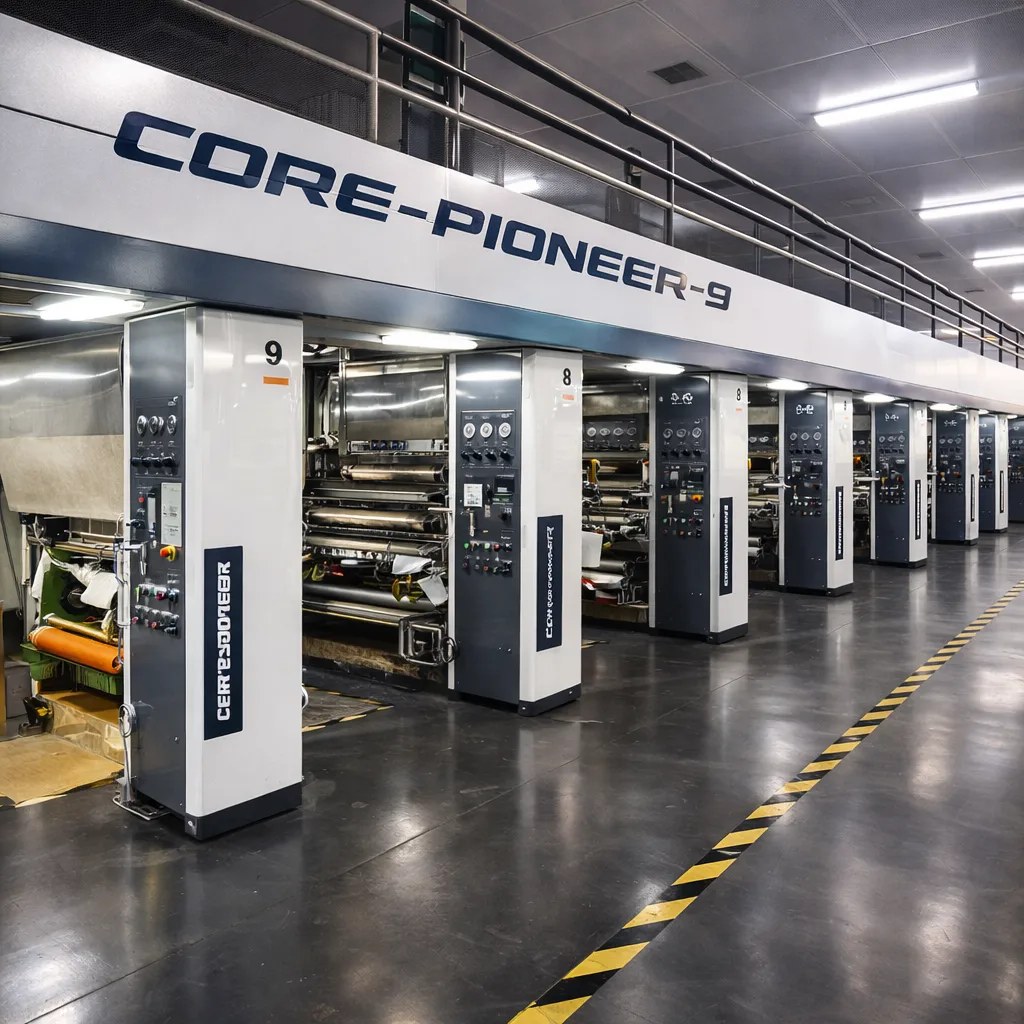
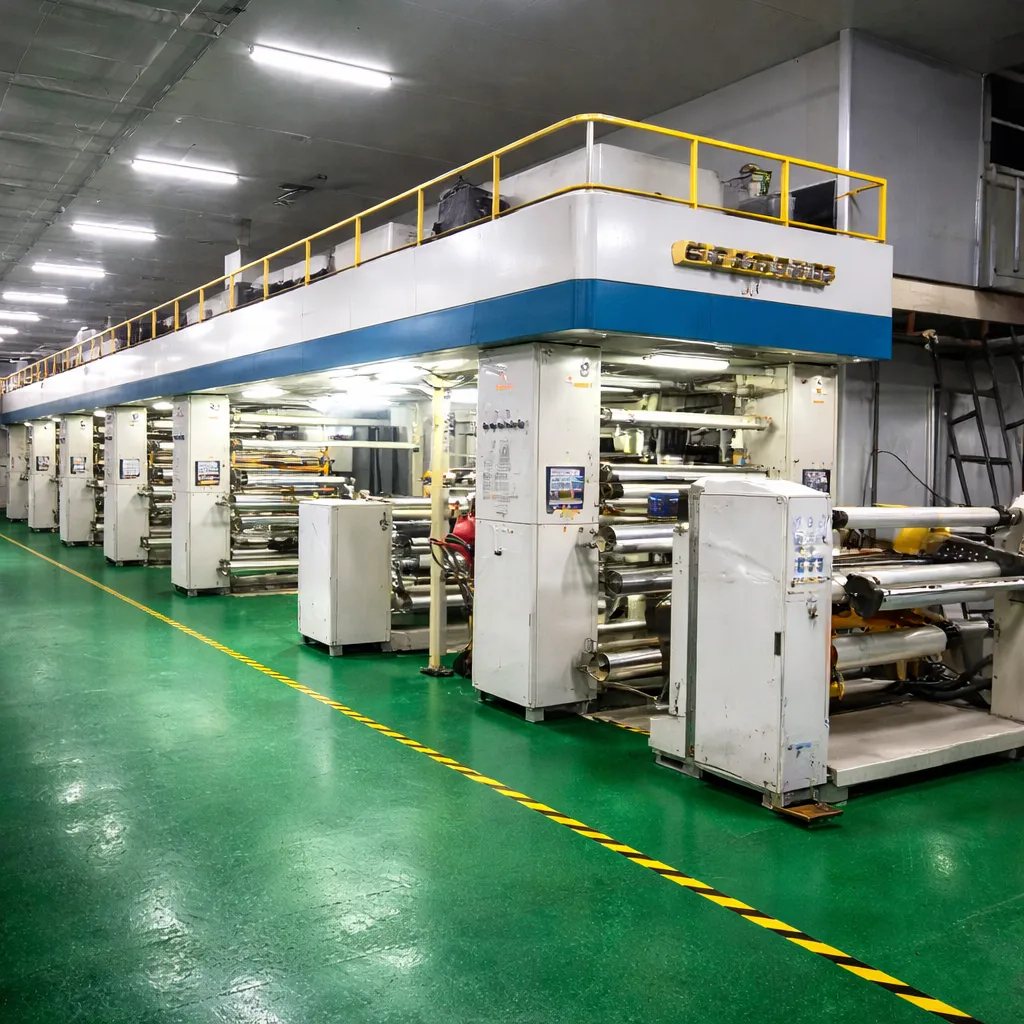
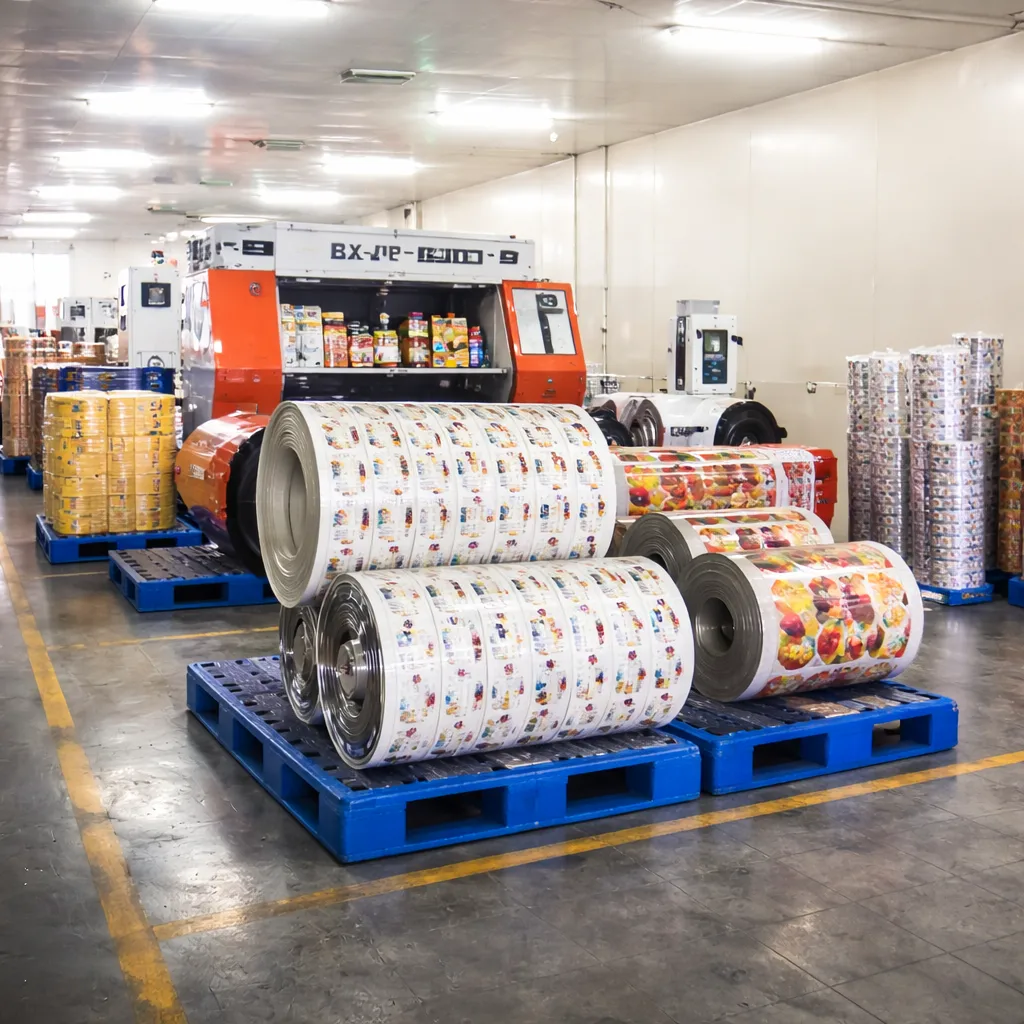
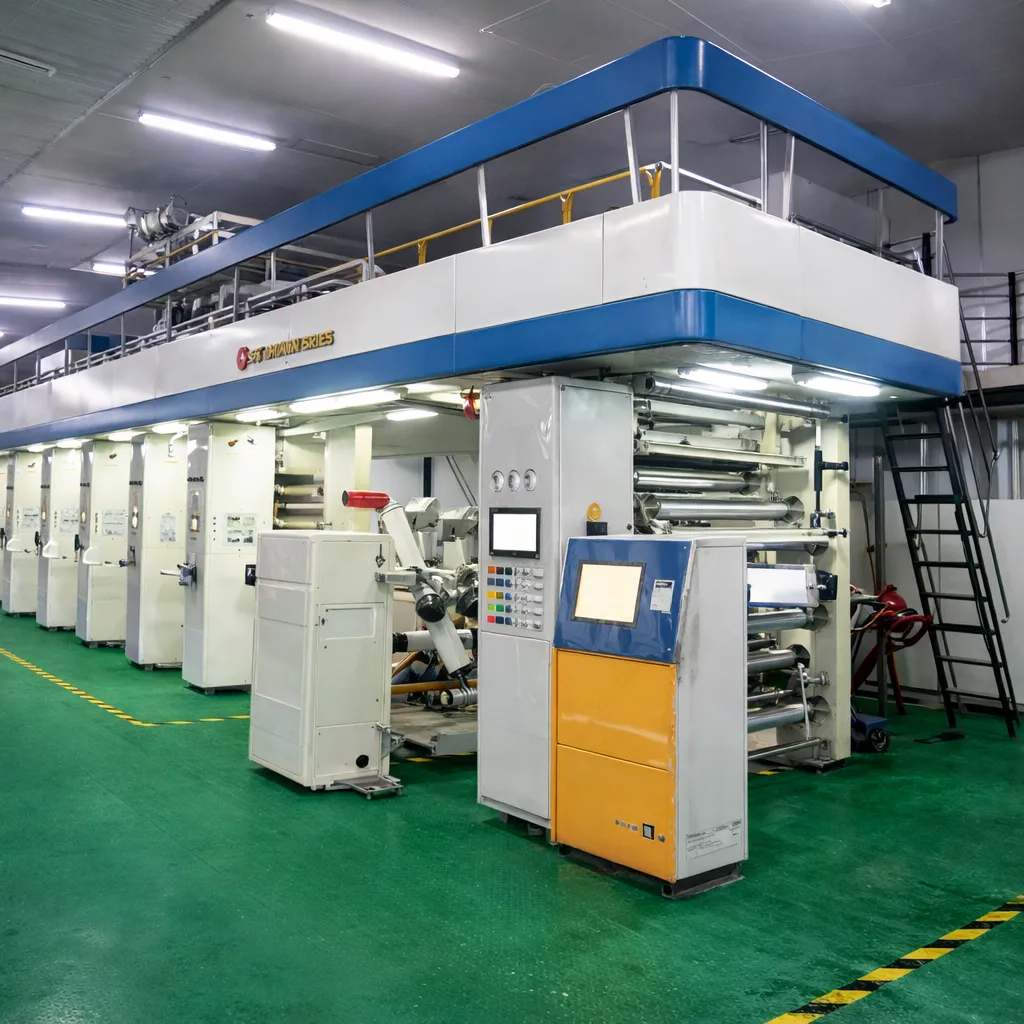
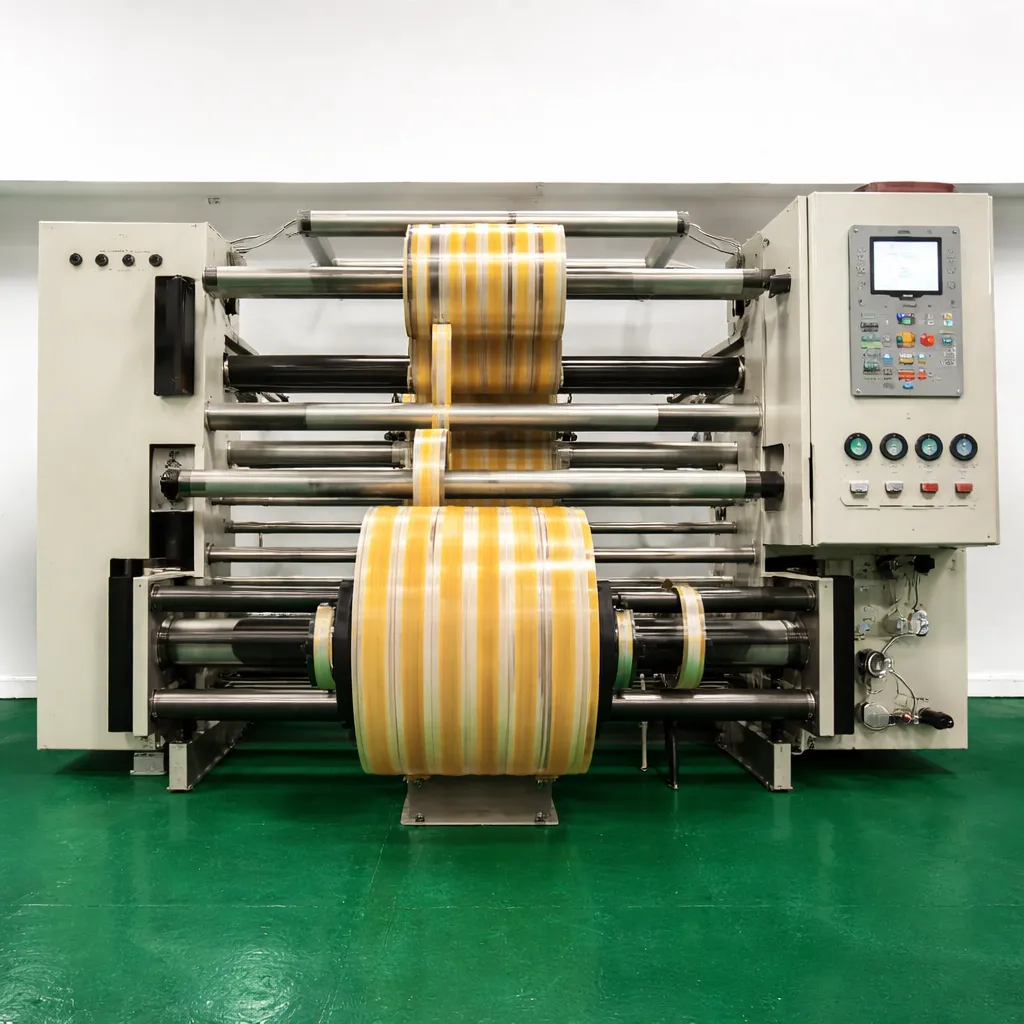
Production starts with film selection and printing, if the order includes custom graphics. The printed film then runs through a forming line where the bag shape gets sealed on the sides and bottom, leaving the top open for the zipper strip.
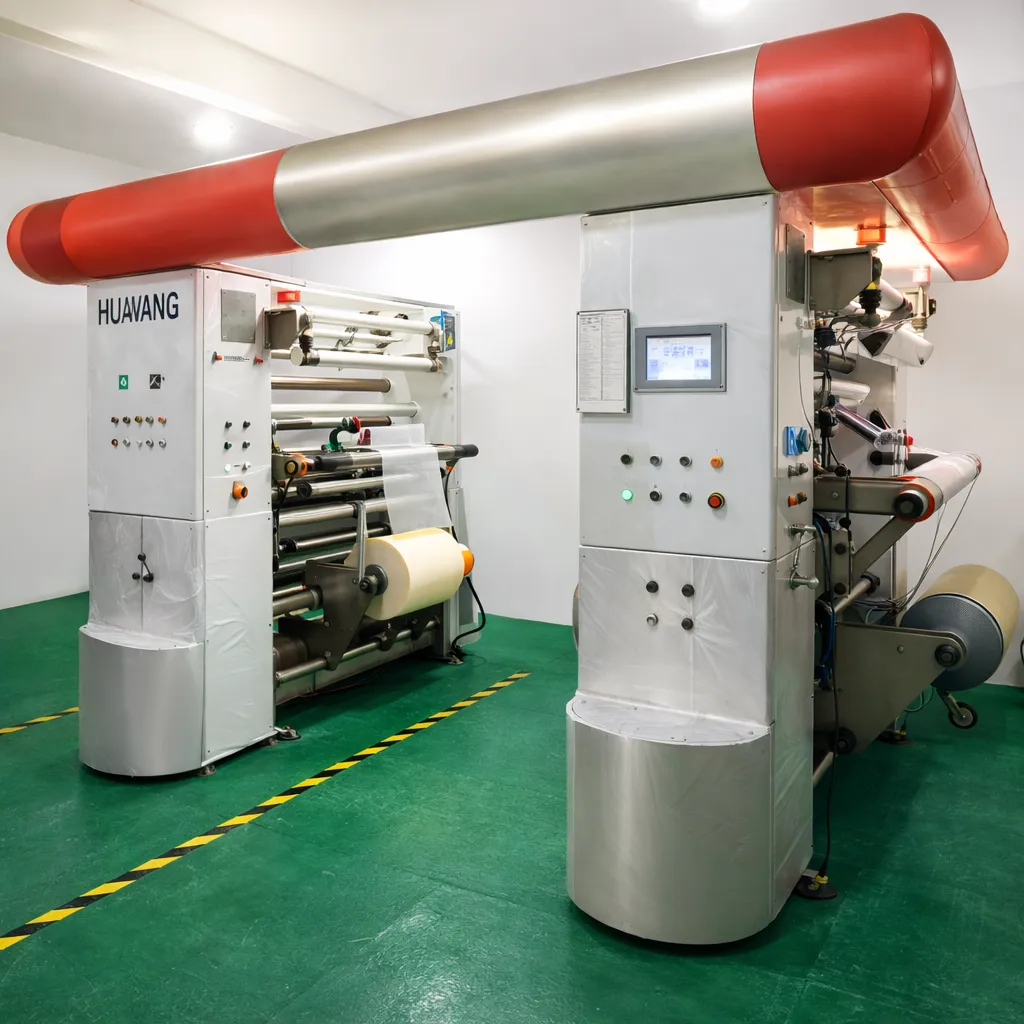
The zipper gets welded on next, fused into the film during a heat-seal pass rather than glued or stapled on afterward. This step determines whether the zipper actually holds under repeated use. A packaging consultant who works with snack food brands told us the weld quality around the zipper corners is where most cheap runs fail first, since a weak corner weld lets air in even when the zipper looks closed.
Quality checks test seal strength, zipper pull force, and barrier performance before the run ships. Bags destined for food contact also need to meet FDA requirements for food packaging materials under Title 21 of the Code of Federal Regulations, so this stage matters beyond just looks.
What drives the price on a custom ziplock order
Four factors move the cost of custom ziplock mylar bags. Zipper type sits at the top, since a child-resistant zipper costs meaningfully more per unit than a standard press-to-close strip. Film barrier level adds cost too, particularly foil laminates built for long shelf life versus a basic poly laminate.
Order volume changes the per-unit price fast, the same way it does with any custom pouch. A 1,000-unit run of custom ziplock mylar bags might land near $0.65 per unit, while a 10,000-unit run on the same spec often drops below $0.40. Die and plate setup for custom print is usually a one-time fee, so repeat orders on the same design cost less than the first run.
According to the pouches market analysis by Meticulous Research (2025), the zipper segment is expected to lead the overall pouches market by closure type in 2025, ahead of both heat-seal and fold-over designs. That demand keeps per-unit pricing on custom ziplock bags competitive across most order sizes.
Choosing the right supplier for your ziplock bags
Ask any supplier how they test zipper weld strength before you commit to a full production run. A supplier who can't answer that question with specifics is worth a second look, whatever the sample bag looks like on first inspection.
Suppliers who run custom ziplock pouches as a core product line, rather than an occasional add-on to boxes or labels, tend to catch weld defects before shipment. Companies like Packagly that specialize in custom ziplock mylar bags for food and retail brands will have zipper tooling calibrated for common closure widths, which keeps setup time down on a first order.
A supplier focused specifically on flexible resealable packaging, rather than one running it as a side item, will have tested pull-force ratings on their zippers, know which laminate holds up under freezer or high-humidity storage, and carry food-grade certifications that general packaging shops sometimes skip. That distinction shows up in how the bag performs after the fifth or sixth reseal, not just the first.
Request a physical sample before locking in volume. A zipper that seals cleanly in a demo can still fail after repeated use if the weld wasn't dialed in correctly.
Closing
Picking the right ziplock closure comes down to matching zipper type and film barrier to how often a customer actually reaches into the bag. Get that match right, and the product stays fresh through the last use, not just the first. If you're working out the right spec for your order, reach out to Packagly for a sample and a clear answer on which zipper and film combination fits your product.
Frequently Asked Questions
What are custom ziplock mylar bags used for?
Custom ziplock mylar bags are used for food packaging, coffee, pet treats, and retail products that need to stay fresh after the first opening. The zipper closure lets customers reseal the bag repeatedly without losing freshness or barrier protection.
How much do custom ziplock mylar bags cost?
Pricing typically runs $0.45 to $0.95 per unit for a 1,000-unit order, depending on zipper type and film thickness. Costs drop below $0.40 per unit at higher volumes like 10,000 units, since setup fees spread across more bags.
Are custom ziplock mylar bags recyclable?
Most standard ziplock mylar bags are not curbside recyclable due to their multi-layer laminate and zipper construction, though mono-material recyclable options are becoming more available. Ask your supplier directly if recyclability matters for your brand's packaging goals.
What's the difference between a press-to-close and slider zipper?
A press-to-close zipper requires pinching the strip together by hand, while a slider zipper uses a small tab that glides across the opening to seal it. Slider zippers generally cost more but hold up better under frequent use.
Do custom ziplock mylar bags meet food safety regulations?
Food-grade ziplock mylar bags must meet FDA requirements for food contact materials under Title 21 of the Code of Federal Regulations. Confirm your supplier can provide compliance documentation before ordering bags for direct food contact.
Is there a minimum order quantity for custom ziplock bags?
Minimum order quantities usually start around 500 to 1,000 units for custom printed ziplock mylar bags, since plate and tooling setup make smaller runs less cost-effective. Some suppliers offer reduced minimums for an added setup fee.
How long does a custom ziplock bag order take to produce?
Production generally takes two to four weeks from art approval to shipment, depending on print complexity and the supplier's current order volume. Rush turnaround is sometimes available at an added cost.
Do ziplock mylar bags hold up in humid or hot storage conditions?
Foil-laminate ziplock bags resist moisture well, which suits humid storage conditions common across the southern United States. Standard poly laminates work fine for dry goods but perform less reliably in high-humidity warehouse storage.
Can child-resistant zippers be added to custom mylar bags?
Yes, child-resistant zippers are available as a closure option, typically required for cannabis and certain pharmaceutical packaging under state regulations. These zippers cost more than standard closures due to the reinforced locking mechanism.
Which industries use custom ziplock mylar bags most in the United States?
Coffee roasters, snack food brands, pet food companies, and cannabis retailers account for much of current U.S. demand for ziplock mylar packaging. Supplement brands have also increased adoption for powder and capsule products.
What zipper width works best for a standard snack bag?
A zipper width between 1.5 and 2 inches works well for most standard snack-size bags, giving customers an easy grip without adding unnecessary material cost. Larger bulk bags typically use a wider zipper for easier access.
Can I request a sample before placing a full custom order?
Most suppliers, including Packagly, offer physical samples or small proof runs before committing to full production. This lets you test zipper strength and seal quality with your actual product before ordering at volume.