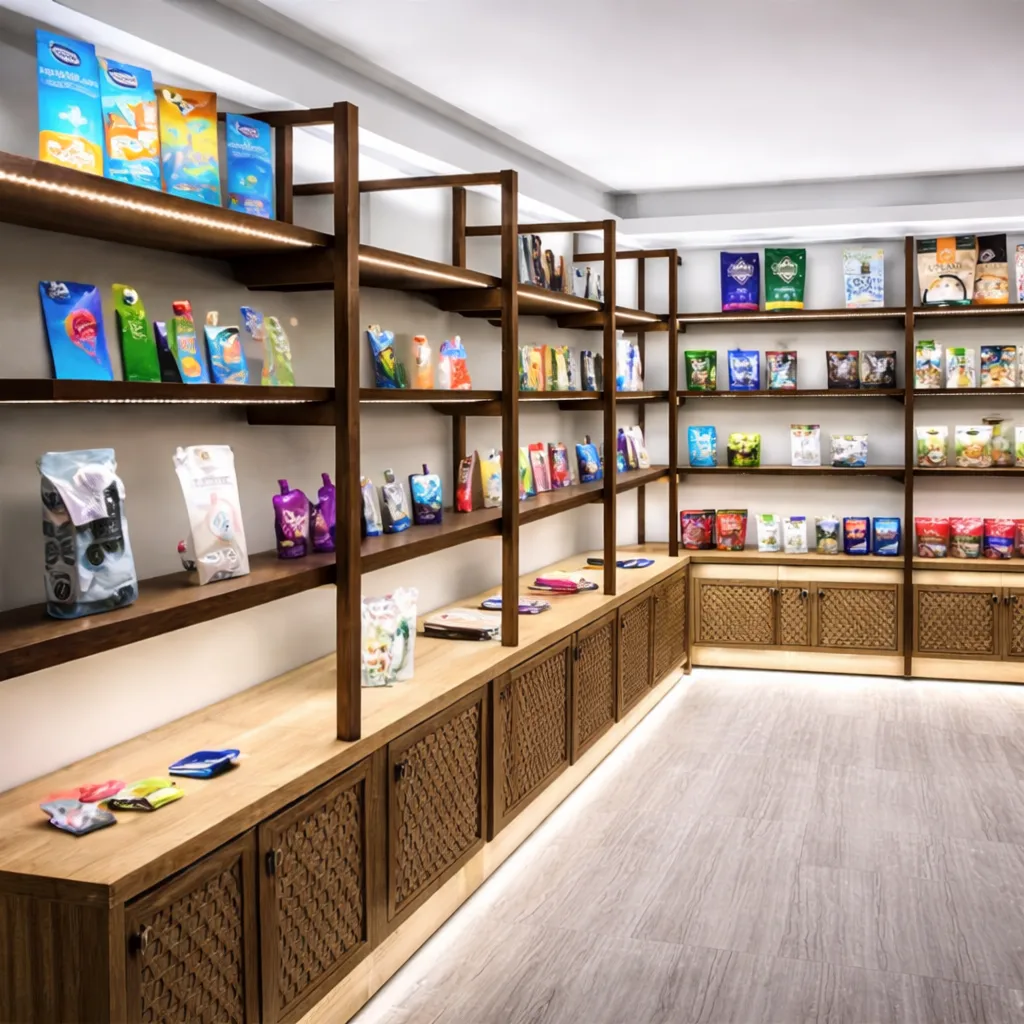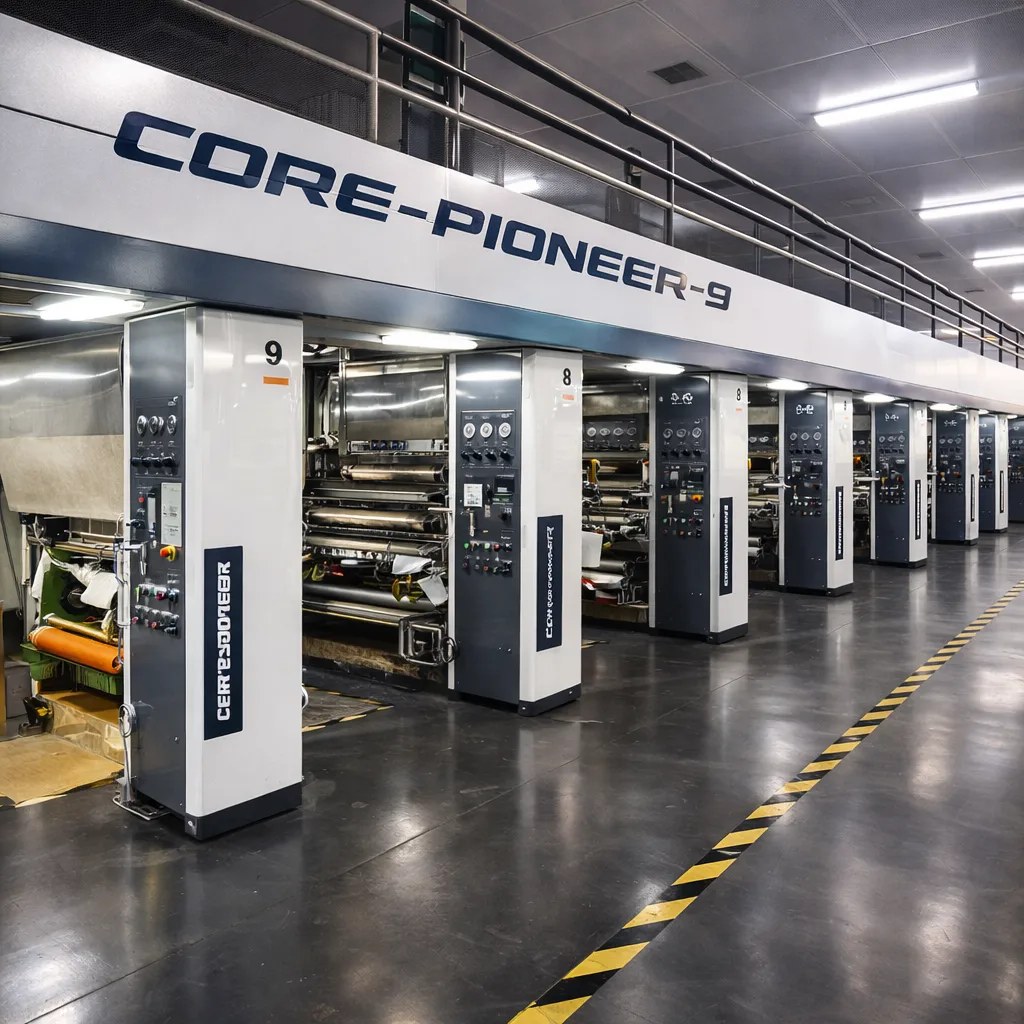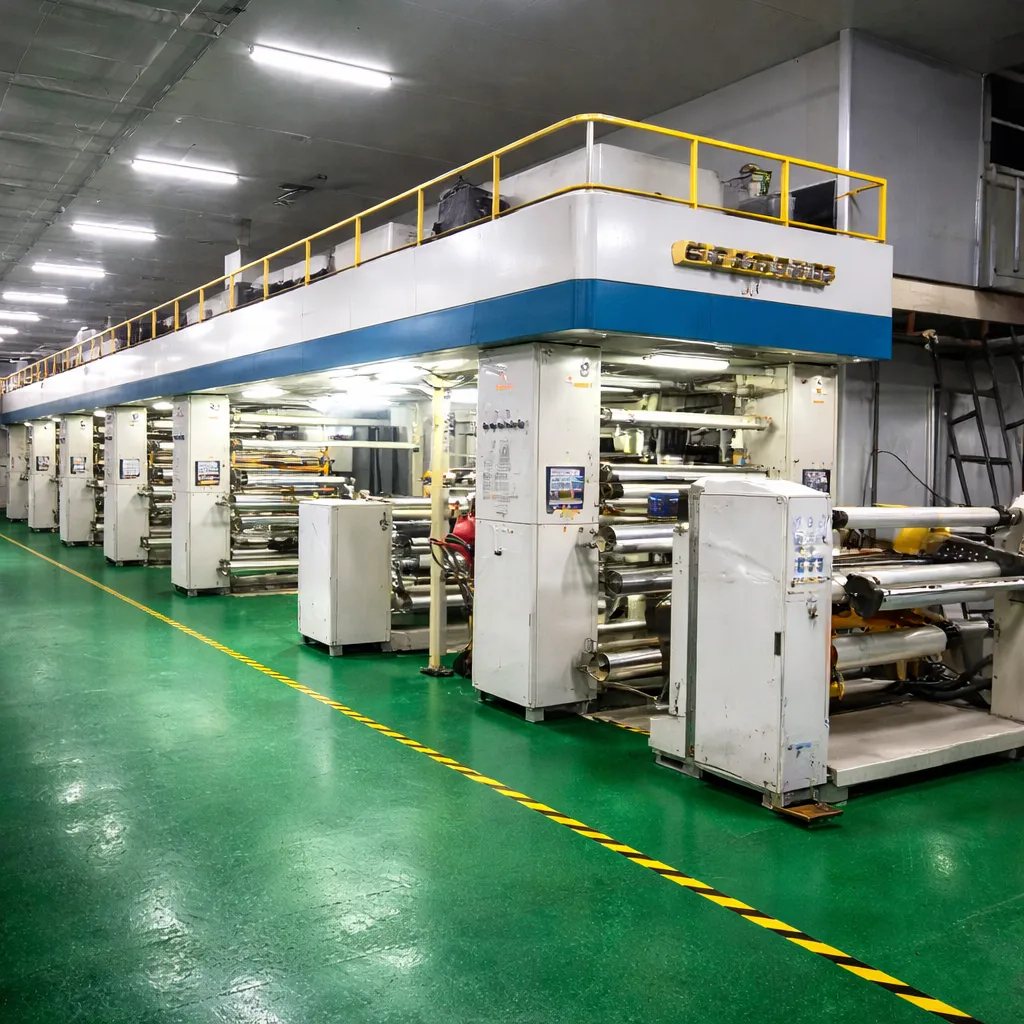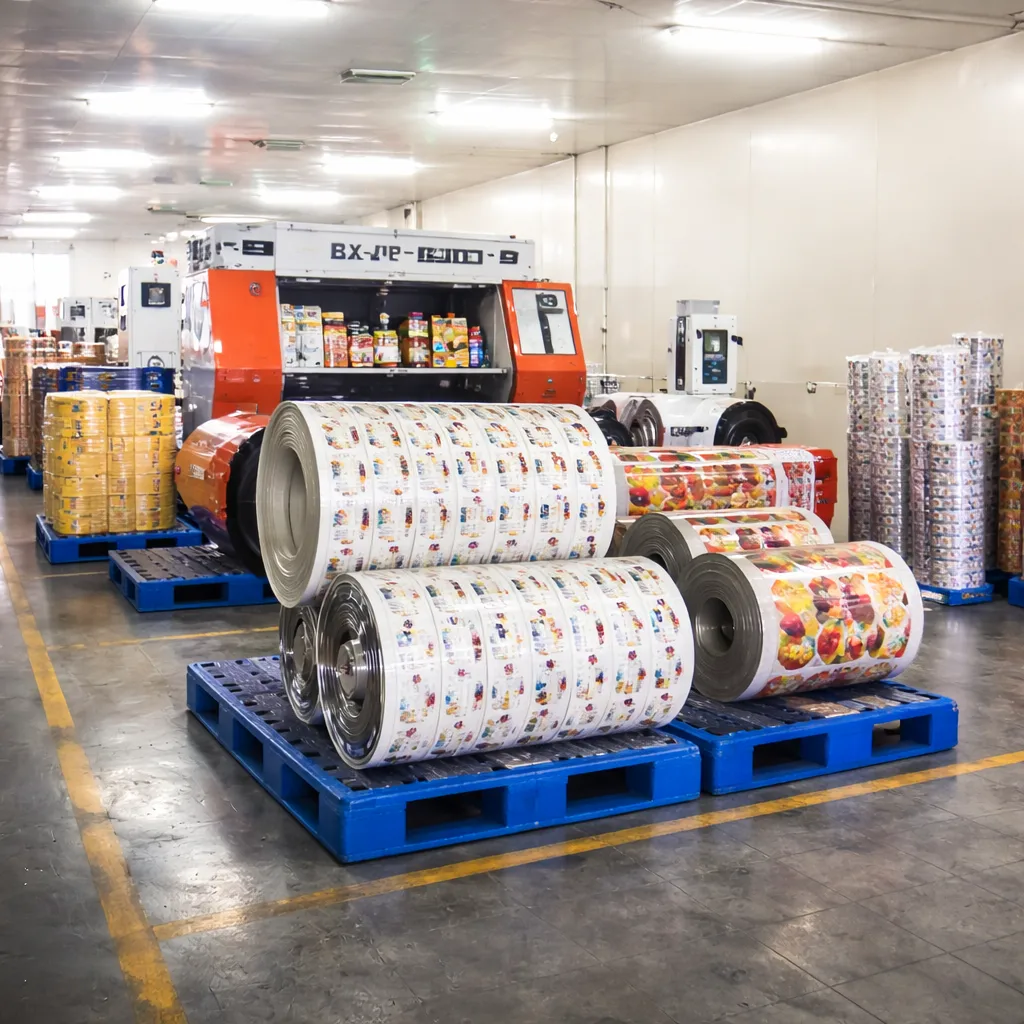


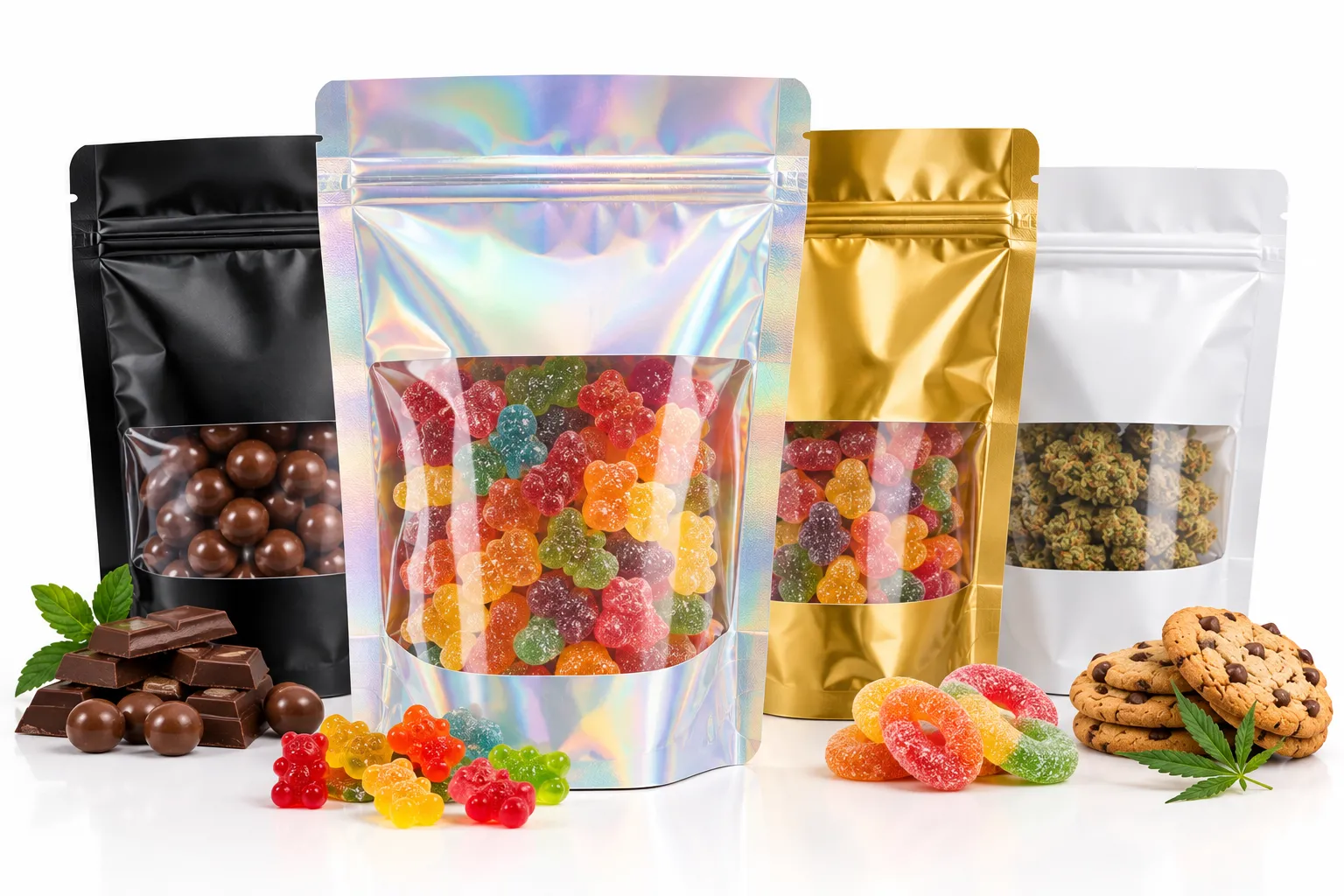
Packaging a batch of gummies or infused treats takes more thought than sealing a bag shut. Edible mylar bags give brands a way to protect freshness, control odor, and meet safety rules that apply to multi-serving edible products. Packagly works with brands producing gummies, chocolates, and baked edibles who need packaging built for both shelf life and compliance.
A poorly sealed bag lets air and moisture in, which softens gummies and dulls flavor within weeks. Edible mylar bags solve that problem with a barrier film that keeps products fresh far longer than standard plastic pouches. For brands selling multi-serving edibles, the right bag also needs a reclosable, child-resistant seal, since most regulated markets require it by law.
Why Brands Choose Edible Mylar Bags
A strong barrier film changes how long a product stays sellable. Mylar combines layers of polyester, foil, and polyethylene to block oxygen, moisture, and light, which slows the breakdown that causes gummies to turn sticky or chocolates to bloom.
Smell control matters just as much. Edible mylar bags with a foil layer trap scent far better than clear plastic, which helps brands keep product aroma contained during storage and shipping. Does a leaky bag on a store shelf hurt a brand's reputation? It usually does, especially when a customer notices before they even open the package.
Safety compliance is the other major reason brands choose this format. Under Consumer Product Safety Commission testing rules, a package only qualifies as child-resistant if at least 85% of children between 42 and 51 months cannot open it within five minutes, while at least 90% of adults aged 50 to 70 can open and reclose it correctly in the same window. A basic zip-lock closure rarely meets that standard on its own, which is why purpose-built edible mylar bags use a slide-lock or push-and-turn mechanism instead.
Types of Edible Mylar Bags: Materials and Closures
Not every edible product needs the same bag. A single-serving item only needs a package that resists opening the first time, while a multi-serving product must reseal to the same child-resistant standard every time it closes.
Standard barrier mylar bags suit single-serving items like individually wrapped chocolates. Reclosable child-resistant pouches use a certified slide or push-and-turn mechanism and suit multi-serving gummies or baked edibles that get reopened repeatedly. Opaque foil-back bags hide the product from view, which several regulated markets require for edibles specifically. Clear-front bags with a foil back panel show product color while still meeting barrier needs, though brands in stricter markets should confirm whether an opaque bag is required before choosing this style.
|
Bag Type |
Barrier Level |
Best For |
Closure Type |
Maintenance |
|
Standard mylar pouch |
Medium-high |
Single-serving edibles |
Heat seal |
Store flat, away from heat |
|
Reclosable CR pouch |
High |
Multi-serving gummies, baked edibles |
Slide-lock or push-and-turn |
Test seal function before packing |
|
Opaque foil-back bag |
Very high |
Products requiring visual concealment |
Zipper or CR slide |
Avoid folding along the seal line |
|
Clear-front foil bag |
Medium-high |
Brands wanting product visibility |
Zipper closure |
Keep window away from direct light |
A small edibles brand launching its first multi-serving gummy line ran into this exact issue during testing. Its original zip-lock pouch failed a child-resistant panel test, so switching to a certified slide-lock edible mylar bag let the product move forward to market without a packaging redesign later.
How Edible Mylar Bags Are Made and Used
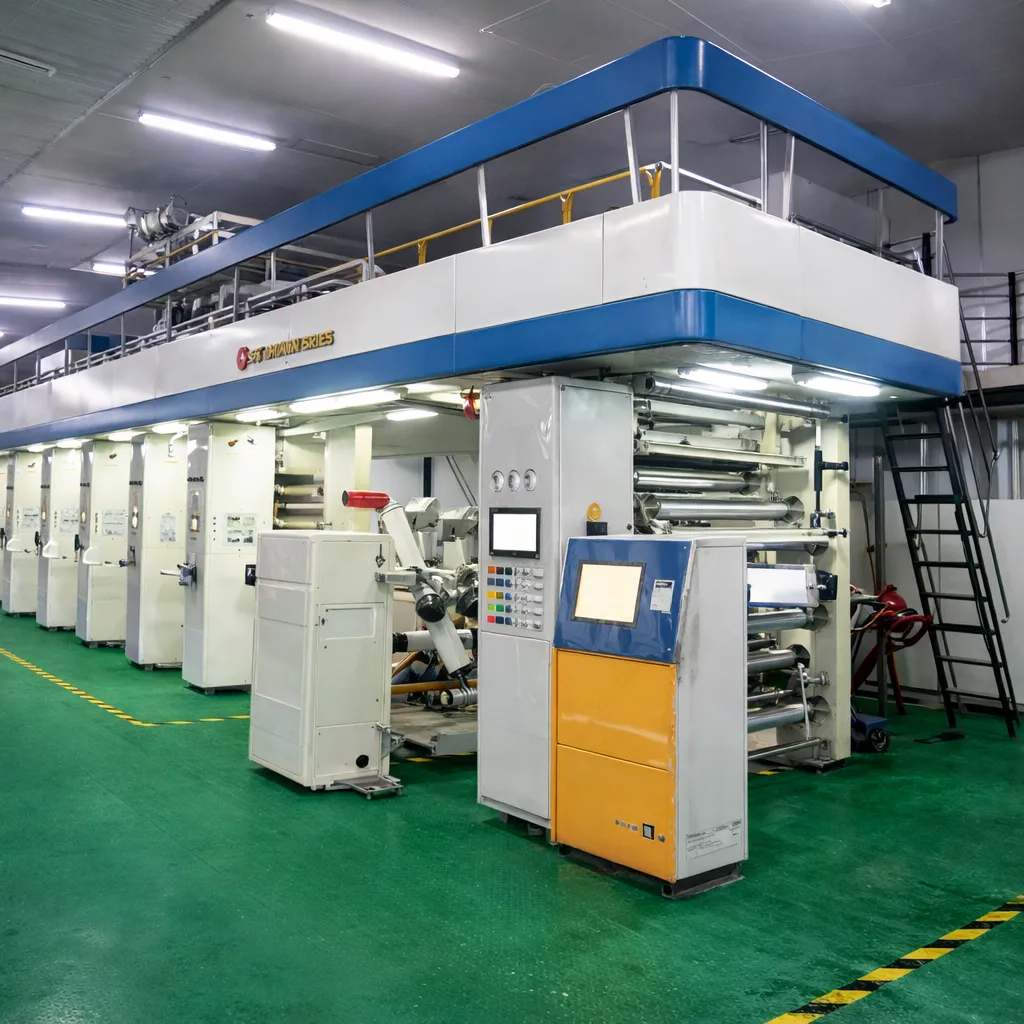
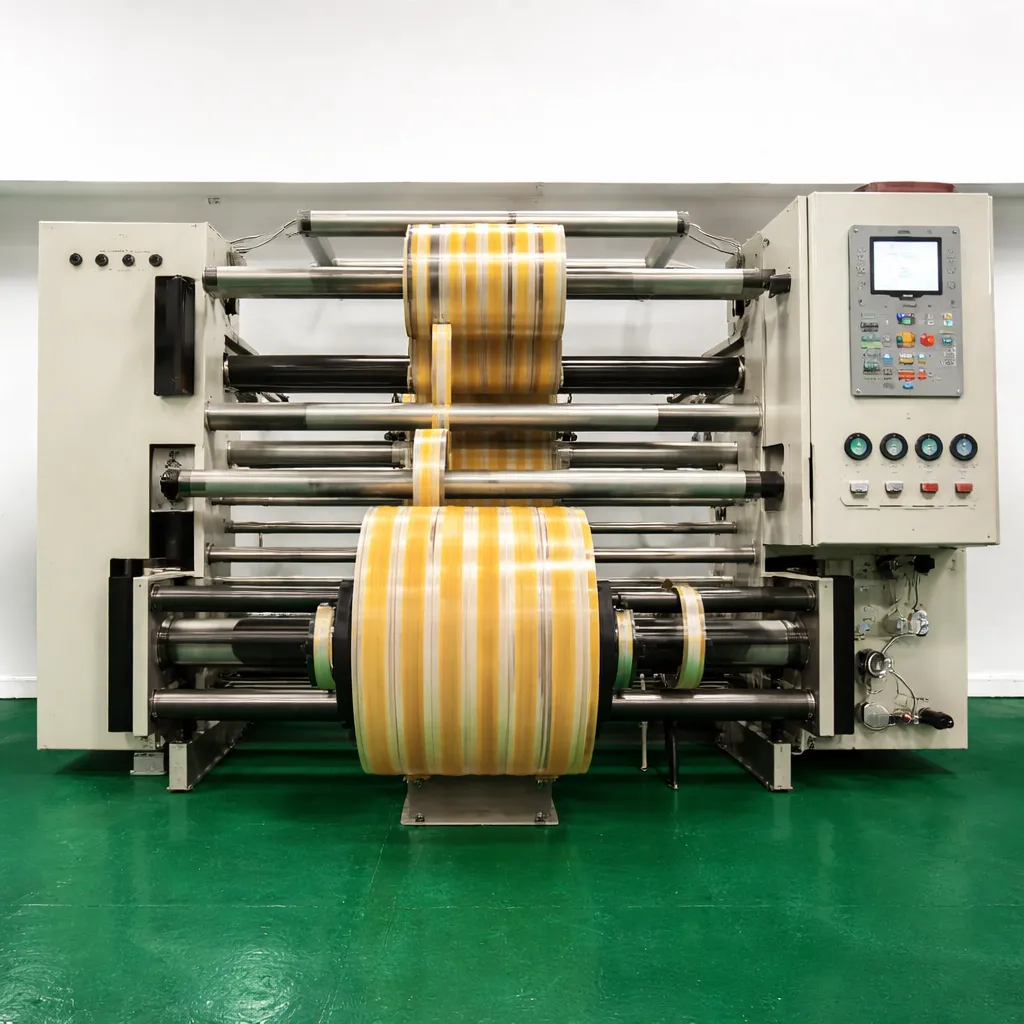
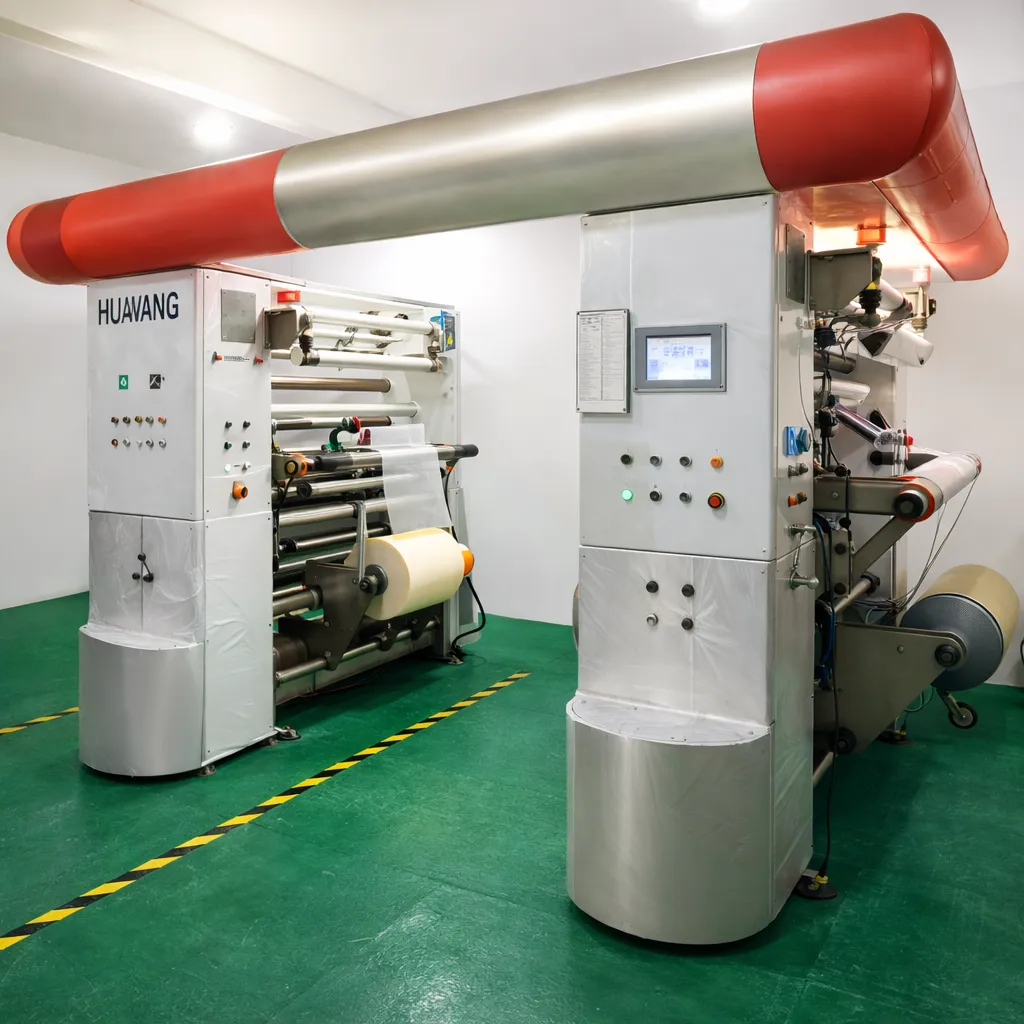
Producing a compliant edible mylar bag starts with laminating the barrier film, then adding the closure mechanism during bag formation. For child-resistant styles, that closure gets built directly into the bag rather than added afterward, since testing labs certify the packaging as a complete unit.
Once formed, the bags get filled, sealed, and labeled with any required warning language or symbols. Companies like Packagly that specialize in edible and cannabis-adjacent packaging understand how closure placement affects both compliance testing and everyday usability for adult customers.
Using the bag correctly matters after it reaches the customer too. Multi-serving edible mylar bags should stay in their original packaging rather than get transferred to another container, since the child-resistant properties only apply to the tested configuration. Brands often print simple usage instructions directly on the bag to reinforce this.
What Affects the Cost of Edible Mylar Bags
Several factors shape pricing for custom edible mylar bags. Certified child-resistant closures cost more than standard heat-seal or zipper options, since the mechanism itself is more complex to manufacture and must pass CPSC panel testing. Film thickness and barrier quality also affect price, with heavier foil-backed laminates costing more than lighter films.
Print complexity plays a role as well, particularly for brands adding required warning symbols alongside full-color branding. Order volume shifts the per-unit cost too, with larger production runs generally bringing the price down. Recertification costs also come into play if a brand changes bag size or closure design after its initial testing, since certification applies to the exact configuration tested.
Choosing the Right Edible Mylar Bags Supplier
Picking a supplier for this category takes more scrutiny than picking one for standard snack packaging. Has the supplier's closure design actually passed CPSC certification testing? Can they confirm which states or regions require opaque packaging for edibles specifically? A general packaging vendor might sell mylar bags, but a specialist who focuses on edible and cannabis-adjacent packaging, like Packagly, will know which closure mechanisms hold up under repeated use and which labeling requirements vary by market.
A packaging compliance specialist working with edible brands noted that recertification costs catch many companies off guard, since even a small design change to an already-approved bag can trigger a full retest. Confirming the closure design early, before committing to a print run, avoids that expense later.
In regulated US markets, brands must confirm their packaging meets both the federal Poison Prevention Packaging Act standard and any additional state-level rules for cannabis-infused edibles, since requirements vary by jurisdiction. Brands selling in the UK, Canada, or Australia should check equivalent local food safety and child-resistant packaging standards before finalizing a bag design.
Frequently Asked Questions
What are edible mylar bags used for?
Edible mylar bags package gummies, chocolates, and baked edibles that need a strong barrier against air and moisture, along with a reclosable seal for multi-serving products.
Are edible mylar bags required to be child-resistant?
Most regulated markets require reclosable child-resistant packaging for multi-serving edible products, while single-serving items generally only need to resist opening the first time.
How much do custom edible mylar bags cost?
Cost depends on closure type, film thickness, print complexity, and order volume. Certified child-resistant closures typically cost more than standard heat-seal or zipper bags.
Do edible mylar bags need to be opaque?
Several regulated markets require opaque packaging for edibles so the product cannot be seen from outside the bag. Requirements vary by state or country, so brands should confirm local rules.
How is child-resistant packaging tested?
Testing follows a standardized panel process where at least 85% of young children cannot open the package within five minutes, while at least 90% of adults can open and reclose it correctly.
Can edible mylar bags be resealed multiple times?
Yes, reclosable child-resistant pouches use a slide-lock or push-and-turn mechanism designed to maintain child-resistant performance every time the bag reopens and recloses.
What permits or certifications apply to edible mylar bags?
Packaging for regulated edibles typically needs to meet the federal Poison Prevention Packaging Act standard in the US, along with any additional state-level cannabis packaging rules.
Do edible mylar bags keep gummies fresh longer than plastic bags?
Yes, the multi-layer barrier film blocks oxygen and moisture far more effectively than standard plastic, which helps prevent gummies from turning sticky or losing texture.
Are edible mylar bags food safe?
Food-grade edible mylar bags meet material safety requirements for direct food contact. Brands should confirm food-grade certification with their supplier before placing an order.
Can small edible brands order custom mylar bags in low volumes?
Yes, several suppliers, including Packagly, work with smaller production runs so newer brands can access compliant, custom-printed packaging without committing to large manufacturing batches.
Do edible mylar bags hold up in warm or humid climates?
Heavier foil-backed films perform well in warm, humid conditions common across parts of the US, Australia, and coastal regions, since the barrier resists moisture absorption near the seal.
What happens if a brand changes its edible mylar bag design after certification?
Any meaningful change to a certified child-resistant bag, including size or closure adjustments, typically requires retesting, since certification applies only to the exact configuration originally tested.
A Simple Next Step
Edible mylar bags give brands a practical way to protect freshness while meeting the safety standards that apply to multi-serving edible products. Getting the closure, film thickness, and labeling right from the start saves time and avoids costly recertification down the road.
Brands ready to move forward with compliant, custom edible packaging can reach out to Packagly to talk through closure options, bag sizing, and labeling requirements for their specific market