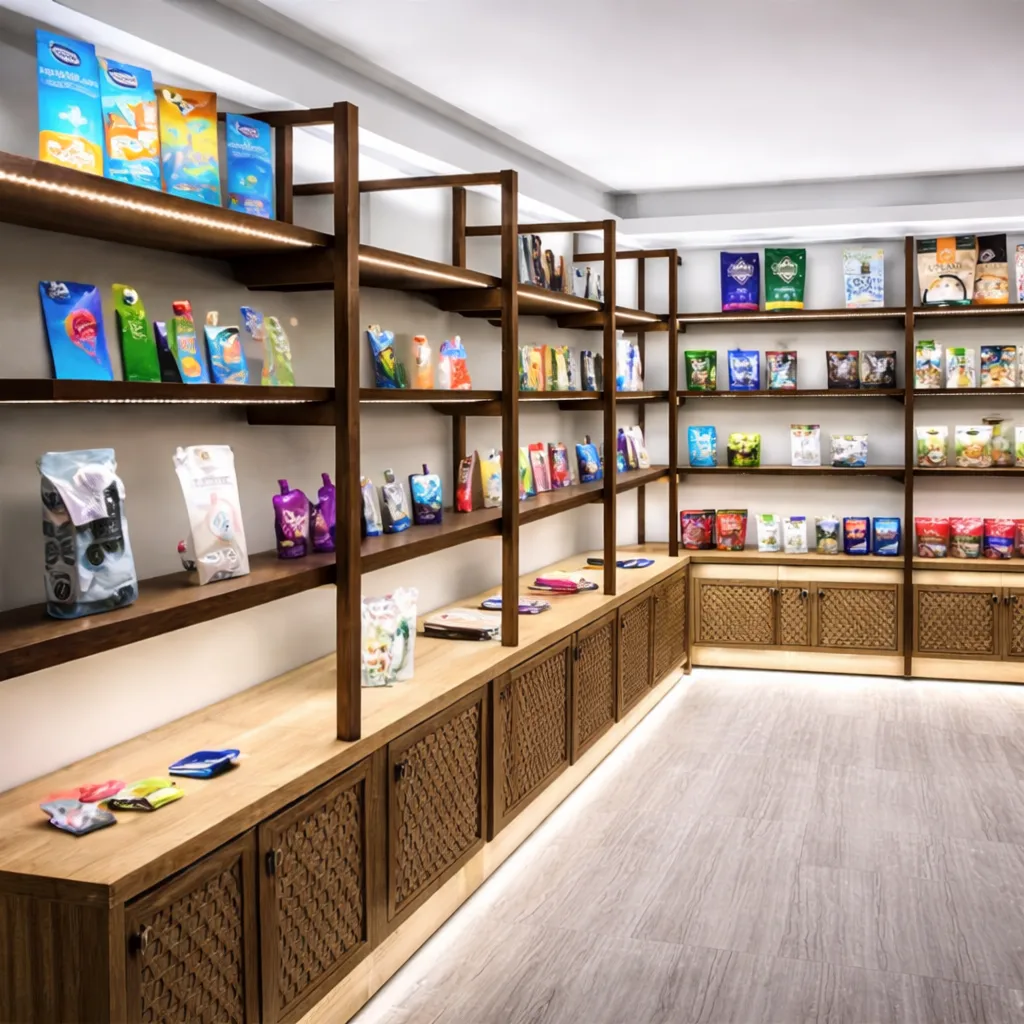


At Packagly, we make custom boxes for brands that ship small products, and one style comes up in almost every first call. Why do so many buyers ask for Premium Kraft Pillow Boxes? They cost less than rigid boxes, they ship flat, and the natural brown finish looks honest on a shelf. Soap makers, candle brands, jewelers and bakers all use them.
Kraft fits the way people shop today. Buyers in the United States, the UK, Canada and Australia read packaging for clues about a brand’s values. A plain brown box with a sharp one-color logo says you care about waste without shouting about it.
This guide covers materials, styles, production steps, costs and supplier checks. You will see what each choice costs, which rules apply, and how to order without wasting money. We keep the language plain and the numbers real, so you can decide with confidence. Let’s start with why Kraft keeps winning.
Why small brands choose sustainable materials
Think about the last parcel you opened. Did the box feel cheap, or did it feel considered? Shoppers form an opinion fast once they lift the lid, and the box does most of that talking.
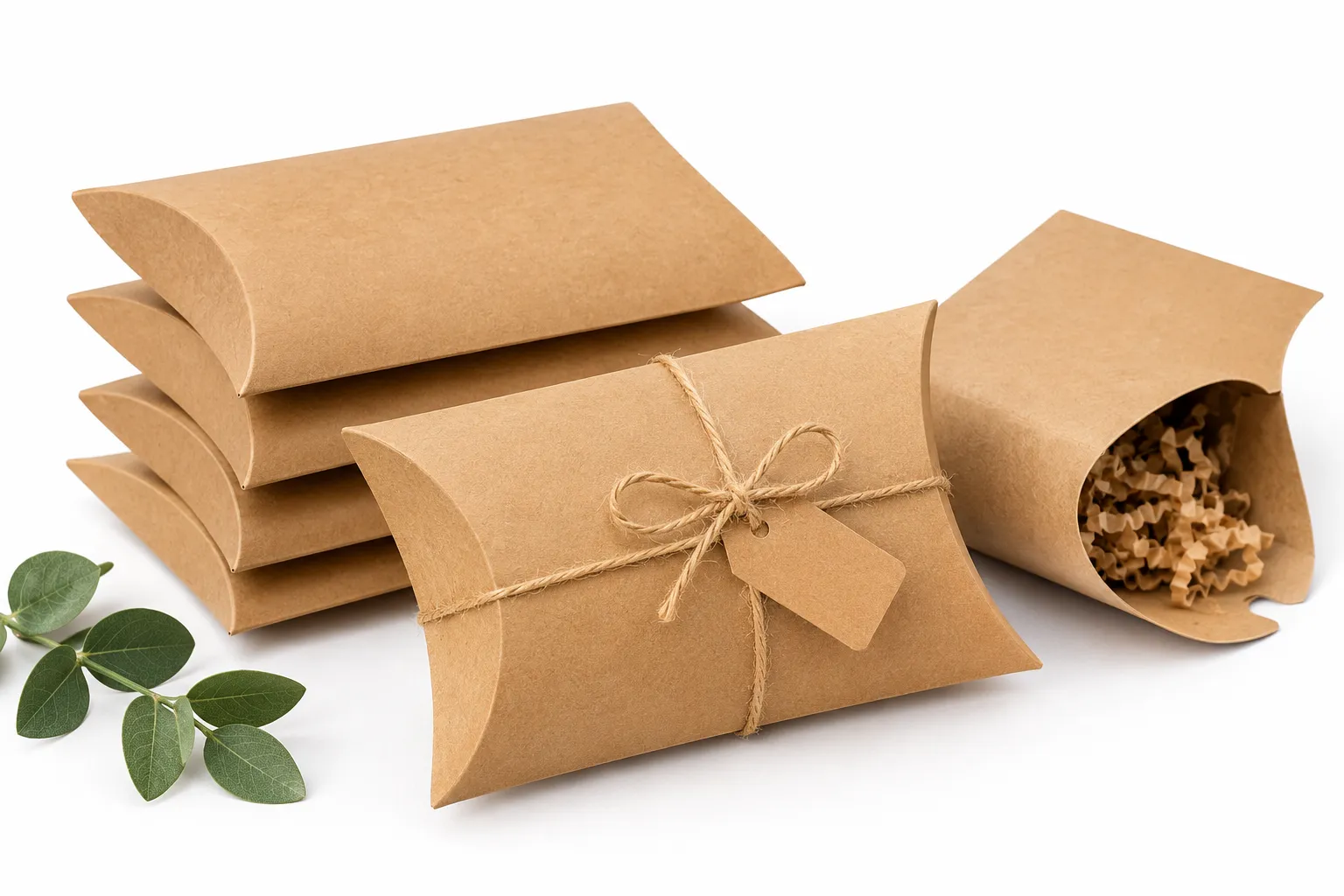
A pillow box is a one-piece carton with curved ends that tuck together like a pillow. It needs no side glue and it ships flat, so you save on storage and freight. Kraft paperboard gives it a natural brown face that takes ink well, especially bold one-color logos.
Pillow boxes suit light items. Think soap bars, lip balm, tea bags, cookies, jewelry, phone cables and gift cards. Heavy or fragile products need a stronger style, such as a tuck-end box or a corrugated mailer.
The waste numbers explain the shift. According to the U.S. Environmental Protection Agency (2018), containers and packaging made up 82.2 million tons of municipal solid waste, or 28.1 percent of the total. Paper does better at end of life. The same EPA data shows an 80.9 percent recycling rate for paper and paperboard packaging, against 13.6 percent for plastic packaging.
That gap is why Premium Kraft Pillow Boxes suit brands with a green story. Customers can recycle most uncoated versions with household paper, which makes eco-friendly pillow boxes for small business owners a practical choice instead of a slogan.
One caution on wording. The Federal Trade Commission’s Green Guides (16 CFR Part 260) limit how you can call a pack recyclable or eco-friendly. Print only claims you can back up, and ask your supplier for the board’s recycled content and certification details.
Paperboard grades, coatings and window styles
Not every kraft sheet behaves the same, and the stock you pick decides how the box feels, folds and survives the post. Four grades cover most orders.
For Premium Kraft Pillow Boxes, natural paperboard at 18 to 24 point is the workhorse. It folds cleanly, prints well in one or two colors, and suits soap, candles and tea. Bleached white kraft costs a little more, but it gives full-color artwork a bright base. Corrugated E-flute kraft adds crush resistance for heavier items, and recycled gray-back board keeps the price low for light retail goods.
Finishes change both looks and recycling. Aqueous coating adds scuff protection and keeps the paper recyclable. Spot UV, foil and embossing add shine and texture, but heavy plastic lamination can block recycling in some mills. Choose one accent finish and leave the rest of the box natural.
Windows let buyers see the product. Kraft pillow boxes with window cutouts use a thin film patch, and some suppliers offer cellulose film that breaks down more easily than PET. Check food-contact status before you pack cookies or tea. Not every kraft board is rated for direct food contact, and the U.S. Food and Drug Administration sets rules for food-contact paper under 21 CFR 176.170.
Fit matters as much as board. Take your product’s length, width and depth, then add about 1/8 inch (3 mm) of clearance. A box that is too loose rattles, and one that is too tight bows at the ends. Order a sample pack before you commit to a full run.
Use this table as a starting point. Costs reflect typical market ranges for runs of about 1,000 standard-size boxes.
|
Material |
Typical cost per box |
Strength |
Best for |
Eco profile |
|
Natural kraft paperboard |
$0.35 to $0.90 |
Medium |
Soap, candles, tea |
Recyclable, often uncoated |
|
Bleached white kraft |
$0.40 to $1.10 |
Medium |
Full-color print, cosmetics |
Recyclable |
|
Corrugated E-flute kraft |
$0.60 to $1.50 |
High |
Heavier items, shipping |
Highly recyclable |
|
Recycled gray-back board |
$0.30 to $0.80 |
Low to medium |
Light retail goods |
High recycled content |
|
Kraft with film window |
$0.50 to $1.30 |
Medium |
Cookies, accessories |
Film needs separating |
Wholesale production steps and price factors
Ordering custom printed kraft pillow boxes feels easier once you know what happens behind the scenes.
Step-by-step production
Most wholesale pillow boxes follow the same six steps.
- Size and style: Send your product’s length, width and depth, and the supplier builds a flat template called a dieline.
- Artwork: Place your logo and text on the dieline, then approve a digital proof.
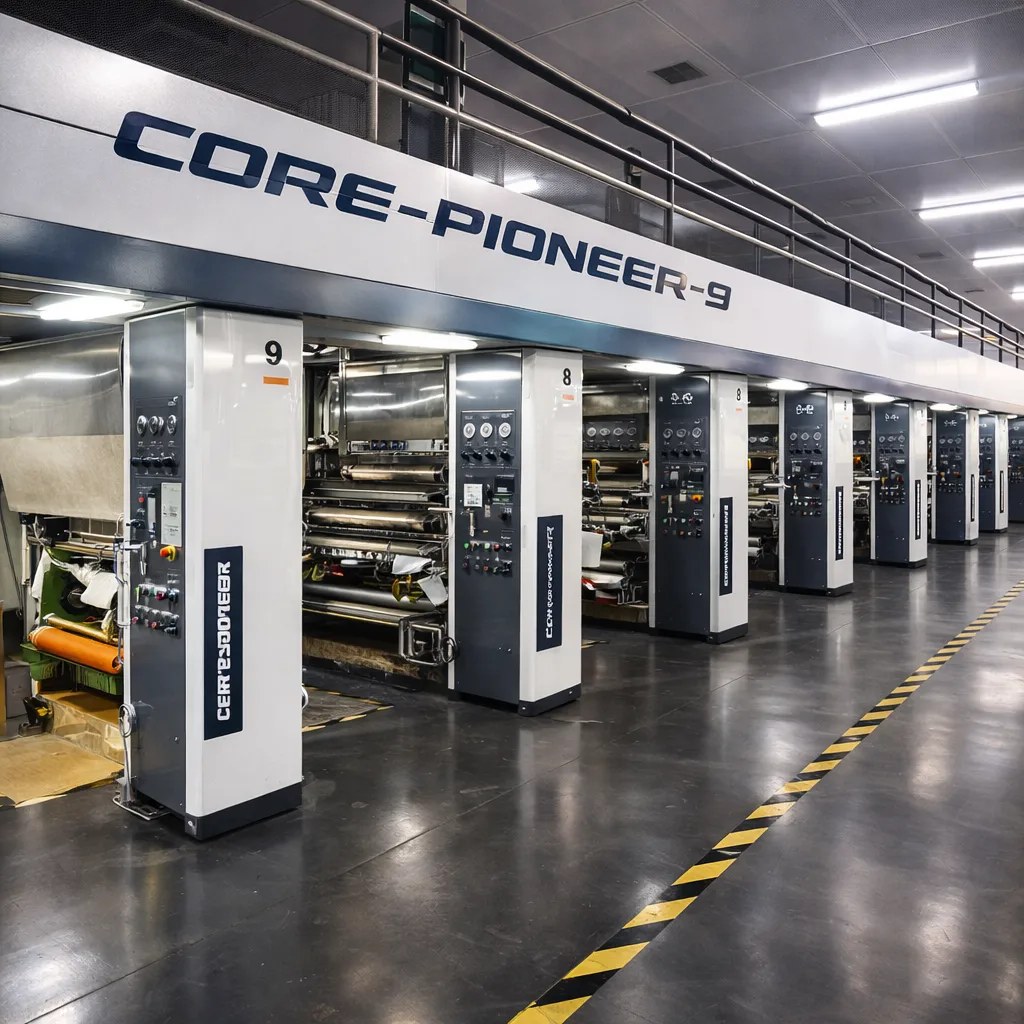
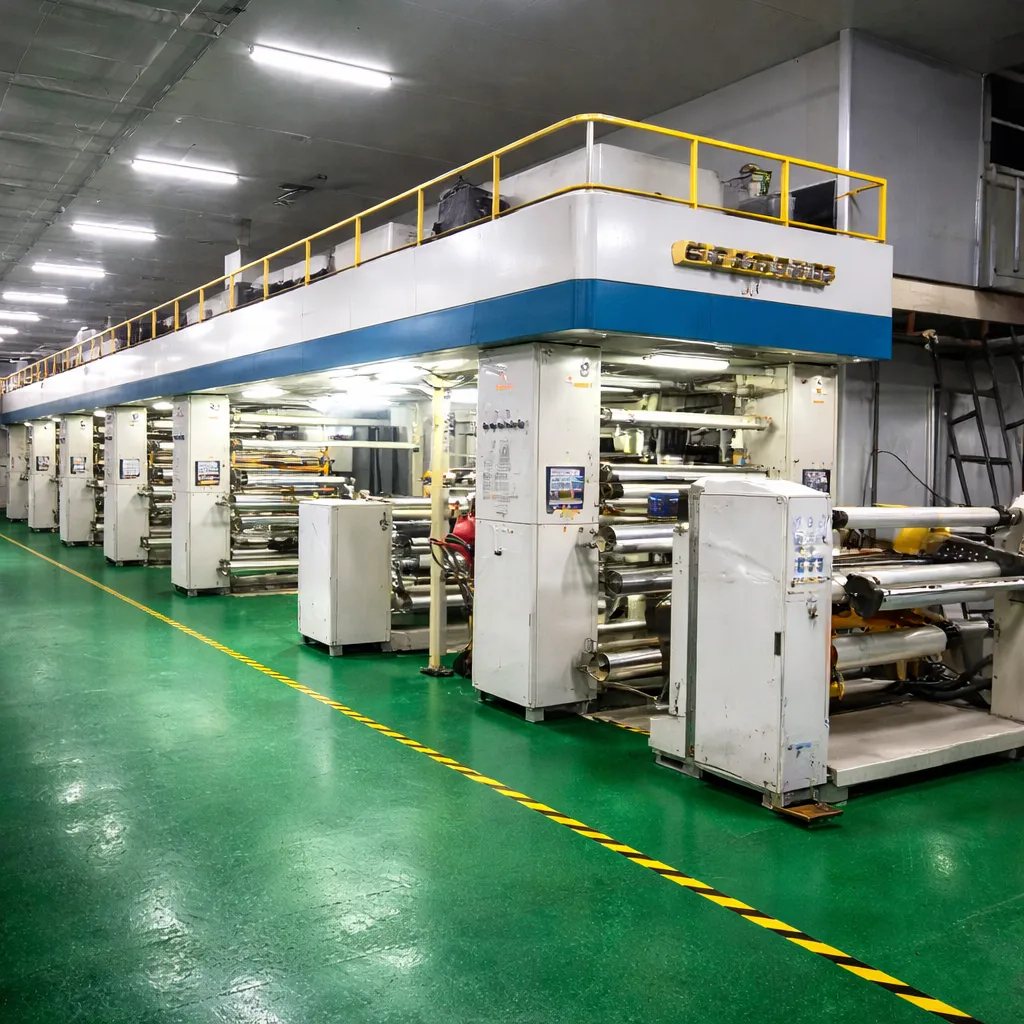
- Printing: Offset or digital presses print one to four colors on the kraft. Light inks look muted on brown, so many brands pick dark or white ink.
- Finishing: The printer adds the coating, foil or embossing you chose.
- Cutting and creasing: A steel die cuts the shape, and a window patch goes on if you ordered one.
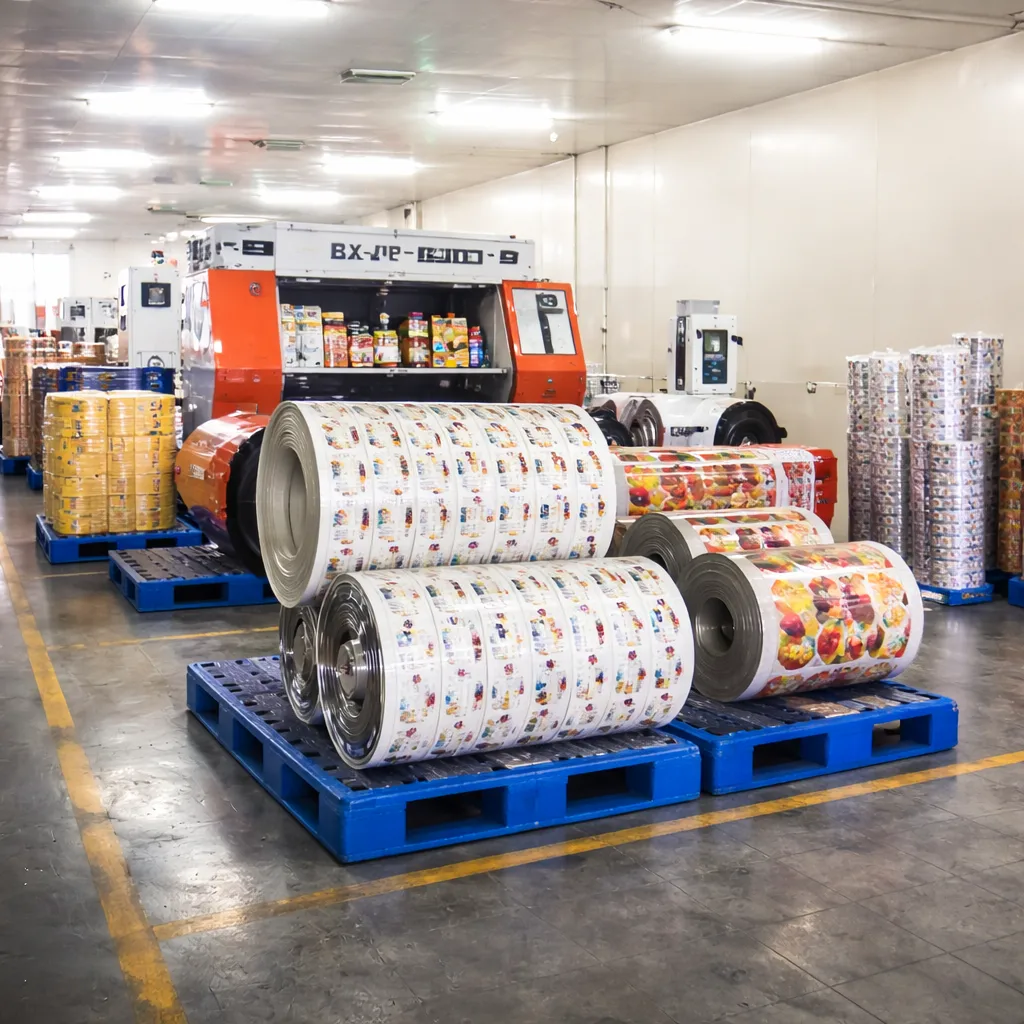
- Packing: Workers check quality and ship the boxes flat.
Companies like Packagly, a Chicago custom packaging maker with free shipping across the USA, quote about 6 to 8 working days for typical orders. Complex finishes and proof changes can add time.
What changes the price
Six things move the price: size, board thickness, number of colors, finish, window film and quantity. Quantity matters most. Setup costs spread across the run, so the price per box drops fast as you order more.
Artwork choices affect cost too. Bold one-color designs print crisply on kraft and keep the price down. Fine gradients and photos look dull on brown stock, so switch to white kraft if your brand relies on photography.
As a rough example, take a small soap maker who orders 1,000 natural kraft boxes with a one-color logo. At about $0.45 each, the run costs near $450. A 5,000-box run can bring the unit price close to $0.25. Adding full-color print and spot UV can double it.
Shipping counts too. Ask whether delivery is included, because freight on large runs adds up even for flat boxes. Brands in the Midwest often look for custom kraft pillow boxes in Chicago to cut transit time and freight cost.
Picking a supplier in the USA that fits your brand
A low quote means little if the boxes arrive crushed, off-color or two weeks late.
So how do you tell a reliable supplier from a risky one? Start with six checks:
- Ask for a printed sample on the exact kraft stock.
- Request a spec sheet with board weight, thickness and recycled content.
- Look for FSC or SFI certification if you plan to claim responsible sourcing.
- Get food-contact documentation for edible products.
- Confirm minimum order, proof process and turnaround in writing.
- Check whether shipping sits inside the quote.
Ask about grain direction too. A packaging engineer in Illinois would tell you that folding against the grain can crack the ink on the crease. A good supplier lays out the die with the grain in mind.
A specialist such as Packagly, which runs its own factory, lists low minimum orders and offers free shipping across the USA, works differently from a general print shop. A generic shop or reseller may outsource die cutting, and that can add days and an extra markup.
Request two quotes with identical specs. Does the cheapest quote use the same board, the same coating and the same window film? A small spec change can move the price a lot, so compare line by line.
Selling to the UK, Canada or Australia? Ask about export paperwork, duties and metric dieline sizes before you order. A supplier used by overseas buyers will answer these questions quickly.
Frequently asked questions
What are Premium Kraft Pillow Boxes used for?
They hold light, small products such as soap bars, candles, tea bags, cookies, jewelry and gift cards. The folded shape protects items in transit, and the natural kraft surface suits brands that want a handmade, eco-friendly look without paying for rigid packaging.
How much do custom kraft pillow boxes cost in the USA?
Most runs of 1,000 standard-size boxes cost between $0.35 and $1.50 per box, depending on board, color count and finish. Larger orders lower the unit price. Always confirm whether shipping, dieline setup and proofs sit inside the quote.
Is the price per box lower when I order wholesale pillow boxes?
Yes. Setup work such as die tooling and press preparation costs the same for 500 boxes as for 5,000, so the cost per box falls as quantity rises. Many brands order a mid-size run first, check sales, then reorder in bulk.
Are kraft pillow boxes recyclable?
Most uncoated or lightly coated kraft pillow boxes go into curbside paper recycling. Plastic lamination, foil and heavy glitter can cause problems at the mill. Check the rules in your area, and ask your supplier about aqueous coatings if recycling matters to your brand.
Are kraft pillow boxes safe for food?
Boxes that touch food must use paper that meets the U.S. Food and Drug Administration’s rules under 21 CFR 176.170. Ask your supplier for written documentation. If you wrap the food first, the outer box faces fewer limits, but you should still confirm the board’s status.
Do kraft pillow boxes hold up in humid climates like Florida or the UK?
Kraft absorbs moisture, so boxes can soften or curl in damp air. Store them flat in a dry room, keep cartons off the floor, and pick 20 point boards or higher for humid regions. Aqueous coating adds some moisture resistance for coastal shipping.
How long does delivery take for custom kraft pillow boxes in the USA?
Typical production runs 6 to 8 working days, plus transit time. Complex finishes, large runs and proof revisions add time. Order at least four weeks before a launch or holiday season to leave room for changes and shipping delays.
Can I add a window to kraft pillow boxes?
Yes. Suppliers cut a shape in the face and patch it with clear film, usually PET or cellulose. Windows suit cookies, soaps and accessories. Cellulose film breaks down more easily, but check recycling rules because mixed materials may need separating.
How much weight can a pillow box hold?
Pillow boxes suit light products, usually under about 8 ounces (225 grams). Heavier or fragile items need corrugated E-flute stock or a different style, such as a mailer box. Test a sample with your real product and drop it from table height.
Where can I buy custom kraft pillow boxes in Chicago or across the USA?
Look for suppliers that print and cut in their own factory, publish low minimum orders and show clear proof steps. Chicago-based makers can shorten transit for Midwest brands, and many US suppliers ship nationwide. Compare samples first, then compare quotes