

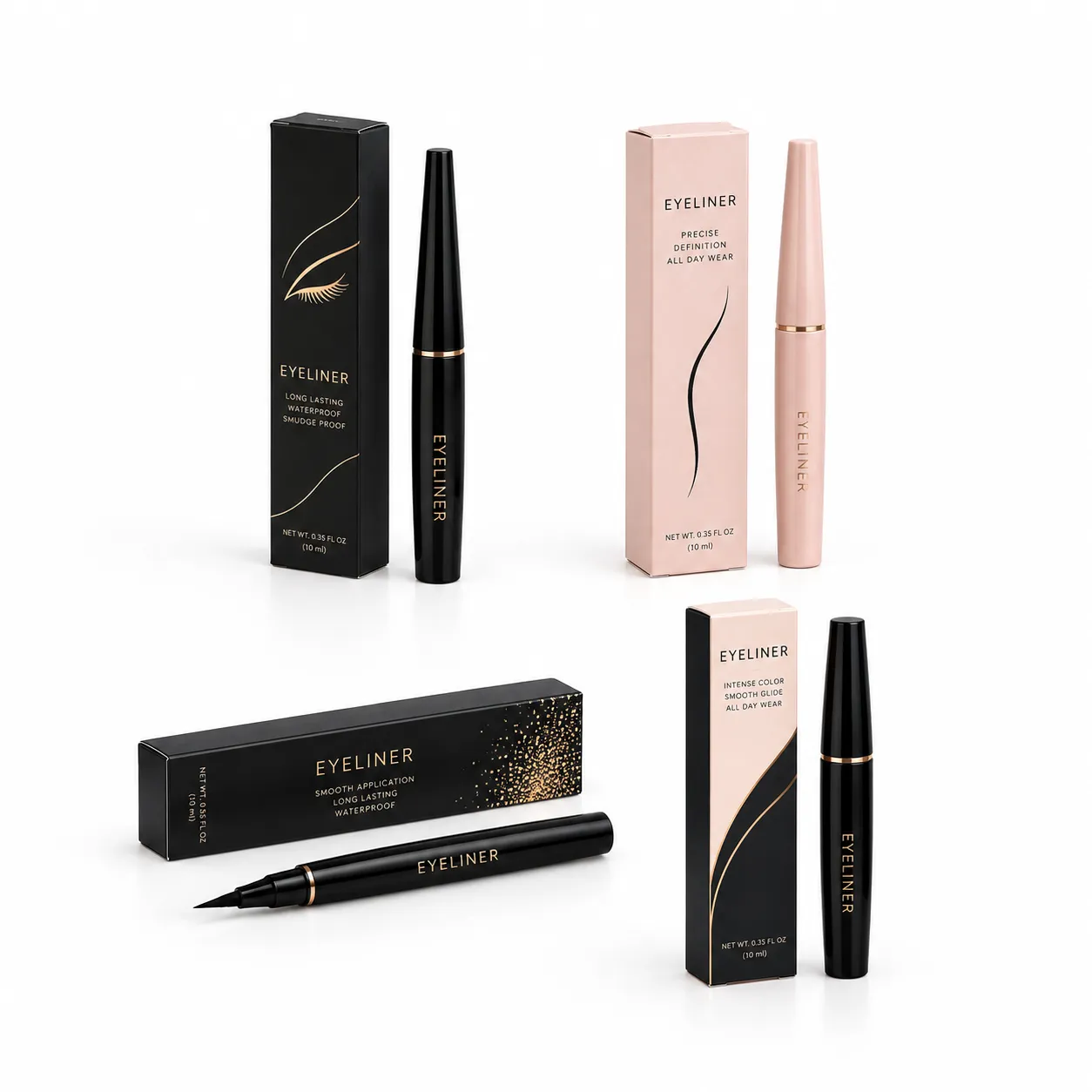
Shoppers judge a beauty product in about three seconds, and the box is the first thing they touch. At Packagly, we work with cosmetic brands that want eyeliner packaging that protects a slim, delicate product and still looks polished on a crowded shelf. A liquid pen has a felt tip that dries out if it shifts. A pencil has a soft core that snaps under a knock. A gel pot can leak if the carton flexes in transit.
Each format needs its own fit, and a poor fit leads to returns, bad reviews and wasted stock. This guide explains why the carton matters, which materials work best, how production runs, what shapes the price and how to choose a supplier. Whether you sell from a studio in Glasgow or ship from a warehouse in Texas, the same basics apply. Where should you start?
Why the carton matters for slim beauty products
A liner gives you very little shelf space to work with. The box has to hold the product firmly, show your brand at a glance and carry the legal details buyers expect. Good design does all three without crowding the front panel.
Why does this matter for a small label? Independent brands compete with global names that spend millions on displays. A carefully made box narrows that gap. A matte soft-touch coating, a foil logo or a neat window cut can make a new label look established from day one.
Rules shape the design too. In the United Kingdom, the UK Cosmetics Regulation requires the label to show the product function, batch number, ingredient list and the name and address of the responsible person. In the United States, the Fair Packaging and Labeling Act requires a statement of net quantity and the name and place of business of the maker or distributor. Your carton needs room for all of it, and the type must stay easy to read.
Online sales add another job. Boxes now travel through postal networks, so they must survive drops, stacking and damp doorsteps. A design that looks great on a shelf but crushes in a courier van costs more in refunds than it saves in print.
Material and structure options for cosmetic cartons
Board choice decides how a box feels, folds and survives shipping. A carton for a pencil range differs from one for a liquid pen, so match the material to the product first and the brand story second.
Folding cartons made from solid bleached sulphate (SBS) board give a smooth white surface that takes full-colour print, foil and spot gloss very well. Kraft board has a natural brown look that suits eco-led brands, though it mutes bright colours. Rigid board feels heavy and premium, which makes it a good match for gift sets and launch kits. Corrugated E-flute adds crush strength for online orders and subscription boxes.
Recycling data may sway your choice. According to the American Forest & Paper Association (2021), about 68 percent of paper used in the United States was recovered for recycling. Eurostat (2020) reported that roughly 82 percent of paper and cardboard packaging waste in the European Union was recycled. Buyers in both regions notice these claims, so sustainable materials deserve a serious look.
A licensed packaging engineer in Birmingham often advises brands to test every carton with the real product inside before approving a run, because a loose fit causes most transit damage.
|
Material |
Feel and Finish |
Protection Level |
Best For |
Print Options |
|
SBS folding carton |
Smooth, bright white |
Light to medium |
Pencils and pens on retail shelves |
Full colour, foil, spot gloss |
|
Kraft paperboard |
Natural, earthy |
Light to medium |
Eco-led, minimalist brands |
One or two colours, embossing |
|
Rigid board |
Heavy, premium |
High |
Gift sets and launch kits |
Wrapped paper, foil, soft-touch |
|
E-flute corrugated |
Textured, sturdy |
High |
Online orders and subscriptions |
Flexo or digital print |
|
Recycled paperboard |
Matte, slightly grey |
Medium |
Brands making recycled claims |
Soy ink, matte varnish |
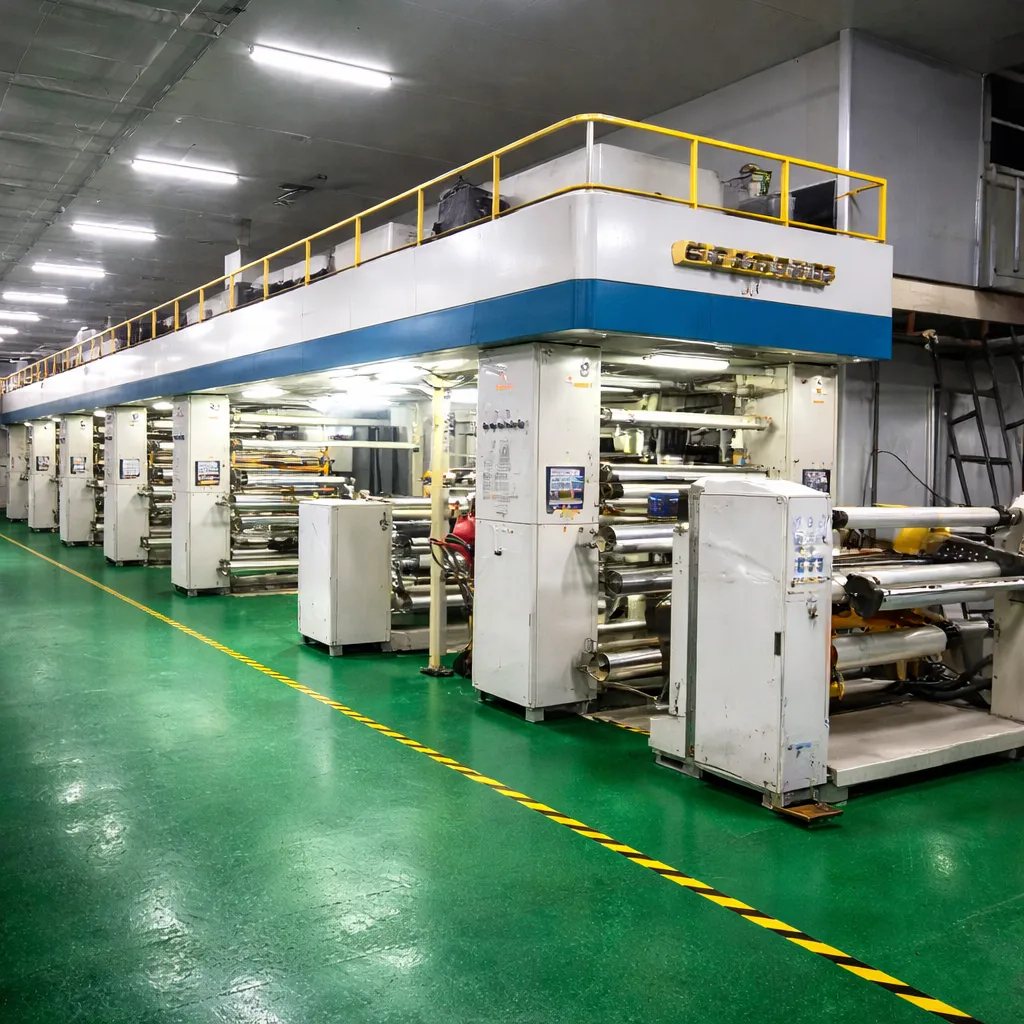
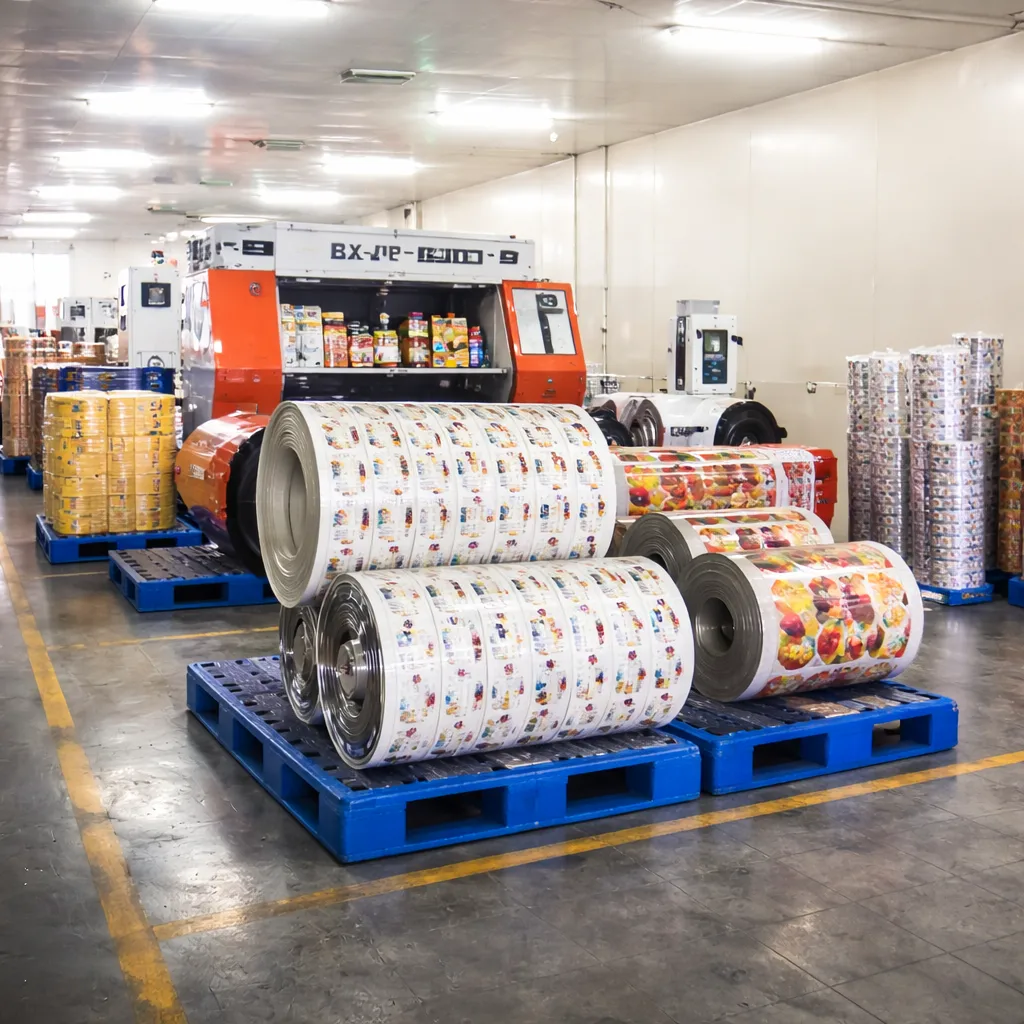
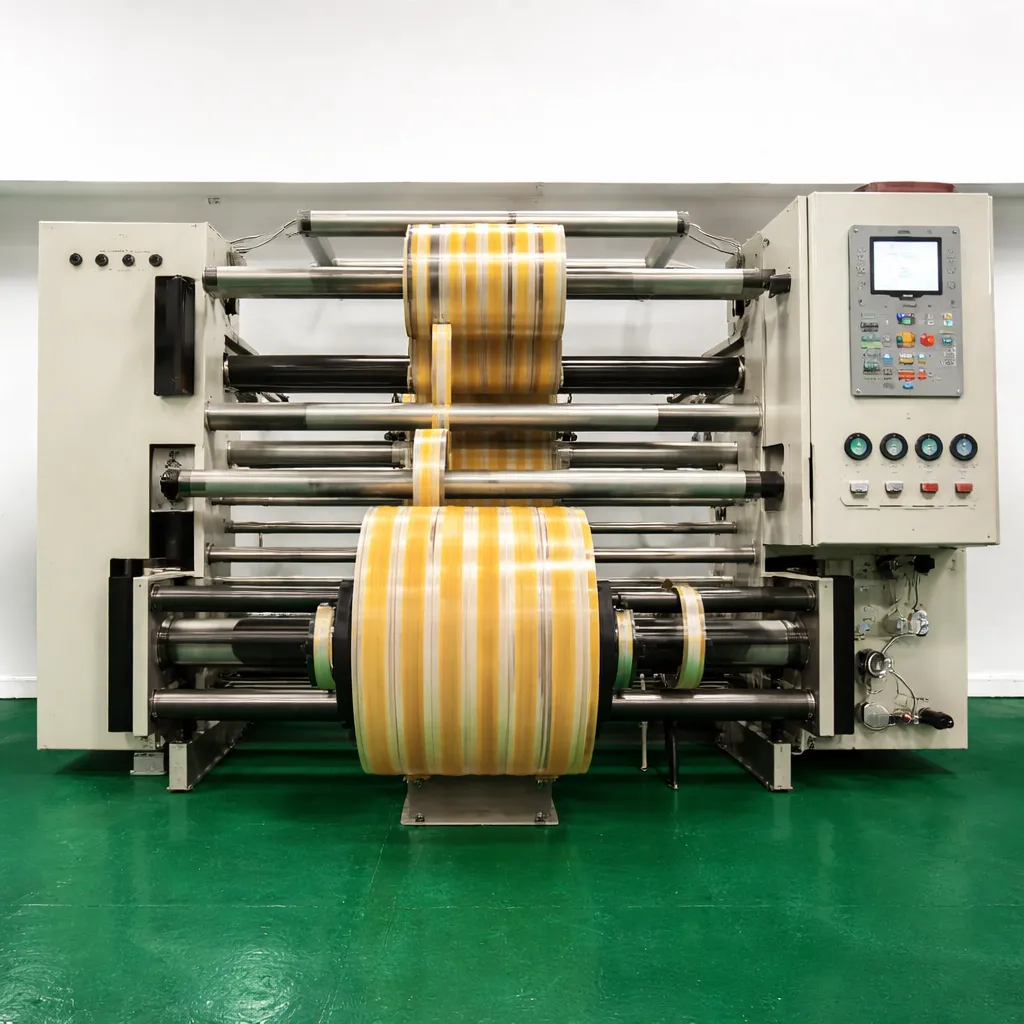
How production works from dieline to delivery
Most brands never see the factory floor, so the process can feel like a black box. It is simpler than it looks. A typical order moves through six steps.
- Brief and sizing: you share product dimensions, weight and quantity.
- Dieline: the supplier builds a flat template that matches your product.
- Artwork and proof: you place your design on the dieline and approve a digital proof, then a physical sample.
- Printing: offset or digital presses print your colours, matched to Pantone references.
- Finishing: coating, foil, embossing, die-cutting and gluing give the carton its final look.
- Quality check and shipping: staff inspect the run and pack it flat or pre-glued.
Most runs finish in 10 to 15 working days after proof approval. Where do delays usually happen? Almost always in artwork revisions, so lock your design and legal text before you send files. Sea freight to the UK, Canada or Australia can take three to six weeks. Air freight takes under a week but costs more.
What shapes the price of an order
Price is the question every founder asks first. Six main factors move the quote:
- Order quantity
- Carton size and board thickness
- Number of print colours
- Finishes such as foil, embossing and spot gloss
- Structure, since rigid boxes cost more than folding cartons
- Freight, duties and tooling
As a rough guide, a short run of 500 folding cartons often lands between $0.40 and $1.20 per unit. At 5,000 units, the same carton can drop to between $0.15 and $0.50. Rigid boxes for gift sets usually fall between $1.50 and $4.00. Suppliers quote these ranges differently, so treat them as a starting point.
Take a start-up in Leeds launching a liquid liner. It orders 1,000 matte folding cartons with a silver foil logo. Swapping the foil for a spot gloss cuts the unit price and keeps the design clean. Small choices like this add up.
Regulation adds cost too. Under the UK's extended producer responsibility scheme for packaging, brands above set turnover thresholds must report the packaging they supply and pay fees based on weight and material. Check whether your turnover crosses that line before you set a budget.
How to choose the right supplier
Picking a supplier is easier when you know what to ask. A packaging specialist that focuses on cosmetics will have handled slim cartons, insert trays and label space for many product types. Companies like Packagly, which produces custom cosmetic and beauty cartons, work with these formats every day. A specialist of this kind typically knows the dieline standards for slim cartons and the label details that UK and US rules require, which a general print shop or national chain may not cover.
Before you sign an order, ask six questions:
- Can you send a physical sample?
- What is the minimum order quantity?
- How many proof rounds are included?
- Is the board FSC-certified?
- What is the lead time after approval?
- Who handles freight and customs?
Request a sample and test it with your product inside before you commit. Check how the carton opens, how the product sits and whether the print matches your screen. A short sample stage is cheaper than reprinting a full run.
Frequently asked questions
What is eyeliner packaging made from?
Most brands use SBS paperboard, kraft board, recycled board or rigid board. Paperboard suits pencils and pens on shelves, rigid board suits gift sets, and corrugated E-flute suits online orders. Your choice depends on product weight, shipping method and the look you want.
What size should a carton for a liquid eyeliner pen be?
Measure the pen's length, width and depth, then add 2 to 3 millimetres of clearance on each side. A tight fit stops rattling. A loose fit lets the tip shift. Most pens need a carton near 130 by 20 by 20 millimetres, but confirm with a sample.
How much do custom cosmetic cartons cost?
A short run of 500 folding cartons often costs between $0.40 and $1.20 each. Runs of 5,000 units can drop below $0.50. Rigid boxes cost more. Foil and embossing raise the price, so request quotes with and without them.
How does order quantity affect the price per carton in the UK?
Setup costs, such as plates and dies, spread across more units in a bigger run. That lowers the price per carton. UK suppliers often price digital runs from a few hundred units and offset runs from one thousand. Ask for a tiered quote at three quantities.
What must an eyeliner carton label include in the United Kingdom?
The UK Cosmetics Regulation requires the product function, batch number, ingredient list, weight or volume, any needed precautions and the name and UK address of the responsible person. Confirm the final wording with a regulatory adviser before printing.
What does the FDA require on cosmetic packaging in the United States?
Cosmetic labels must state the product identity, net quantity, ingredient list in descending order and the name and place of business of the maker or distributor. Required warnings must appear too. Check current FDA guidance before finalising artwork.
How long does delivery take to Canada or Australia?
Production takes about 10 to 15 working days after proof approval. Sea freight then adds three to six weeks, depending on port and customs. Air freight takes under a week but costs more. Plan your launch date around the slower option if budget is tight.
Do kraft cartons hold up in damp climates such as Ireland or the UK?
Uncoated kraft absorbs moisture and can soften in damp conditions. A water-based barrier coating reduces this risk. Store cartons in a dry room and keep them off the floor. For humid shipping routes, ask your supplier about moisture-resistant coatings.
Which finish suits a premium look for eyeliner packaging?
Soft-touch lamination gives a velvet feel. Foil stamping adds metallic shine to logos. Spot gloss makes selected artwork stand out on a matte base. Pick one or two finishes, as too many can make a small carton look crowded.
How can I make cosmetic cartons more sustainable?
Choose recycled or FSC-certified board, use soy or water-based inks and skip plastic windows and laminates. Keep the carton size close to the product to cut waste. Add clear recycling symbols so buyers know how to dispose of the carton.
Your next step is simple. Write down your product size, order quantity and target market, then request a sample or dieline. Compare board options, check your label text against local rules and review a physical proof before you approve a run. If you want a team that handles custom cosmetic cartons daily, reach out to Packagly for a quote and a sample. A clear brief now saves time and money later