

Packagly works with coffee brands every week that are stuck on the same question: how do you protect a pod's freshness without the packaging costing more than the coffee inside it? Coffee pod packaging sits at an odd intersection of food science and shelf appeal, since a pod's small size leaves almost no margin for a weak seal or a flimsy box. Get the packaging wrong and the coffee tastes stale before a customer ever brews it. Get it right and the box becomes part of why people buy again.
This guide covers the materials brands use for coffee pod packaging, what a production run actually costs, and how the process runs from a design file to a finished box on a pallet. You'll find a comparison table of common pod packaging options and answers to the questions roasters ask most before placing an order.
What coffee pod packaging actually does
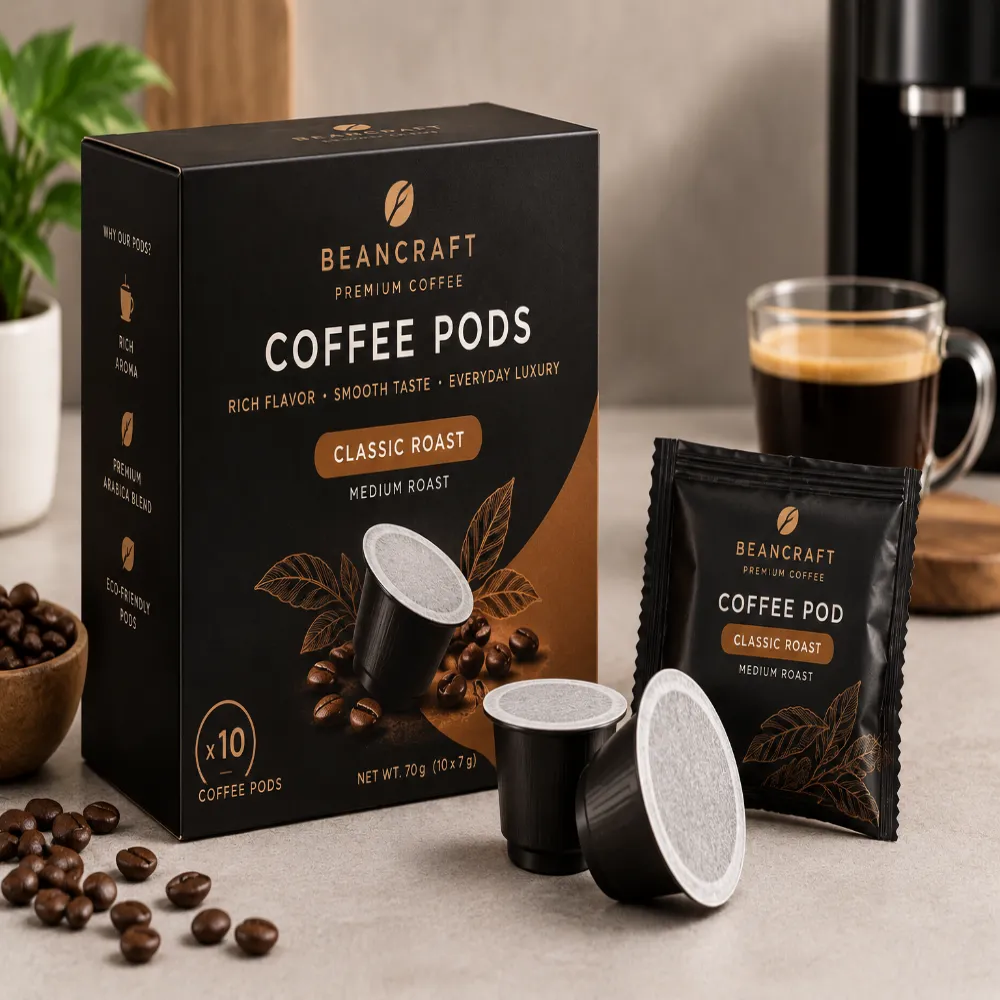
A pod box has two jobs at once. First, it has to block light, oxygen, and moisture from breaking down the coffee inside, since roasted coffee starts losing aroma compounds within days of exposure to air. Second, it has to make a customer stop scanning the shelf and pick your brand over the one next to it.
Do those two jobs ever pull against each other? Sometimes. A fully see-through window box looks appealing on a shelf but can let in light that degrades the coffee faster. That's why most coffee pod packaging blends a light-blocking outer layer with a printed design rather than relying on visibility alone.
Freshness data backs up why this matters. Research published by the National Coffee Association in 2023 found that ground coffee loses a measurable share of its aromatic compounds within two weeks once exposed to oxygen, even in modest amounts. Pod packaging that seals tightly against air exposure buys a brand real shelf life, not just a marketing claim.
What materials work best for coffee pod packaging?
Three material families cover most of what's on shelves today, and each one suits a different kind of coffee brand.
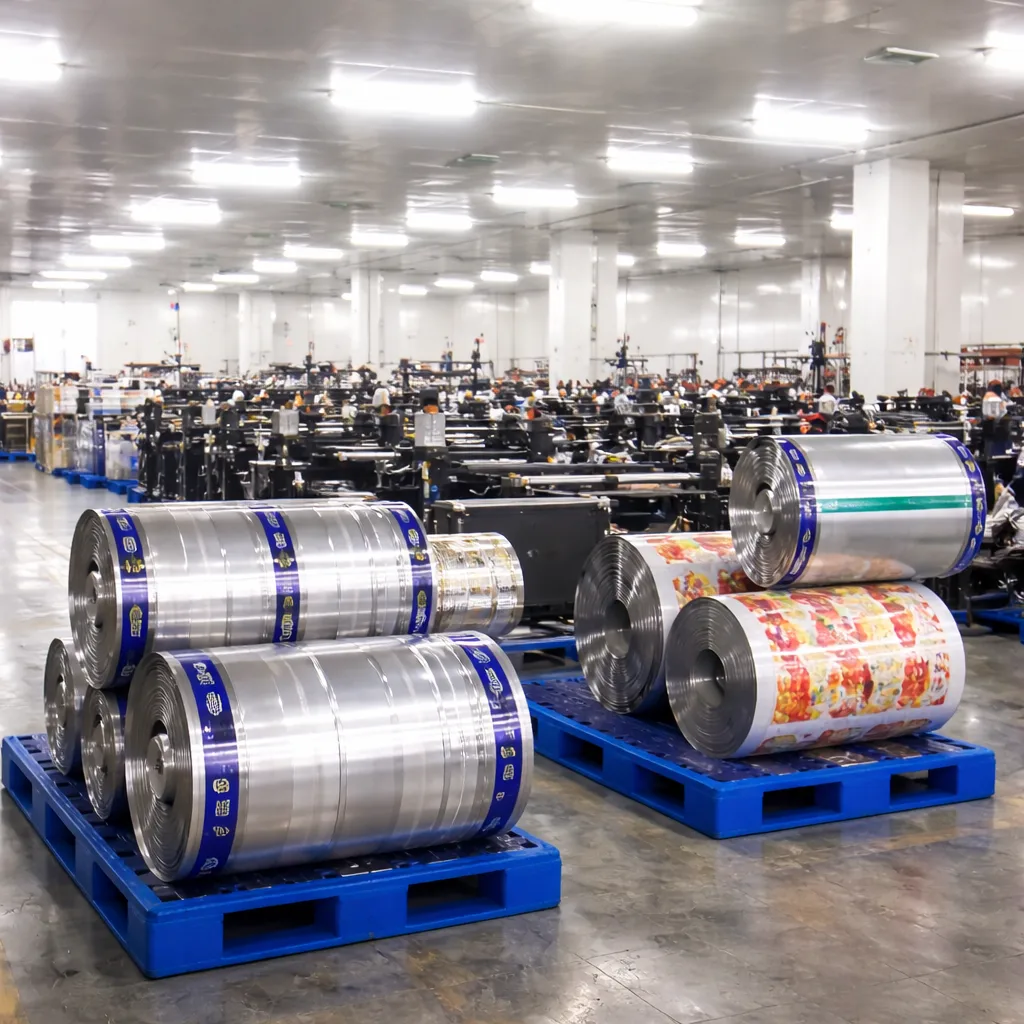
Foil-lined paperboard remains the standard for supermarket-facing pod boxes. It combines a printable outer layer with a foil or metallized barrier that blocks light and slows oxygen transfer, and it holds up well through standard retail handling. Compostable kraft with a plant-based barrier coating has grown fast among brands pairing their packaging with compostable pods themselves, since a compostable box next to a plastic-lined pod undercuts the sustainability message. Rigid coated board suits smaller premium runs, gift sets, or subscription-box brands, where the box itself becomes part of the unboxing experience rather than something tossed aside.
A small scenario shows how this plays out. A roaster launching a ten-count pod line for farmers' markets picked foil-lined kraft over a fully compostable option, since the compostable stock they tested let in more oxygen over a six-week shelf test and shortened the coffee's usable window. That trade-off between sustainability and shelf life comes up often, and there's no single right answer, just the one that fits a brand's sales channel and turnover speed.
|
Material |
Avg. Cost (per 100 units) |
Best For |
Barrier Performance |
|
Foil-lined paperboard |
$90–$160 |
Retail and supermarket pods |
High oxygen/light barrier |
|
Compostable kraft (coated) |
$160–$300 |
Eco-focused, subscription brands |
Moderate barrier |
|
Rigid coated board |
$220–$400 |
Gift sets, premium single-origin |
High, plus physical protection |
|
Recyclable mono-material film wrap |
$70–$130 |
High-volume commodity pods |
Moderate to high |
How is custom coffee pod packaging made?
The path from artwork to a finished carton follows a consistent sequence, whether the order is 1,000 units or 100,000.
A packaging provider starts by confirming pod count, box dimensions, and any labeling requirements, including nutrition panels, roast dates, or allergen statements. A structural die-line gets built next, matched to the exact pod diameter and stacking height so units don't shift loose during transit. Once that's approved, a physical or digital proof goes back to the brand for a color and text check before the full run starts.
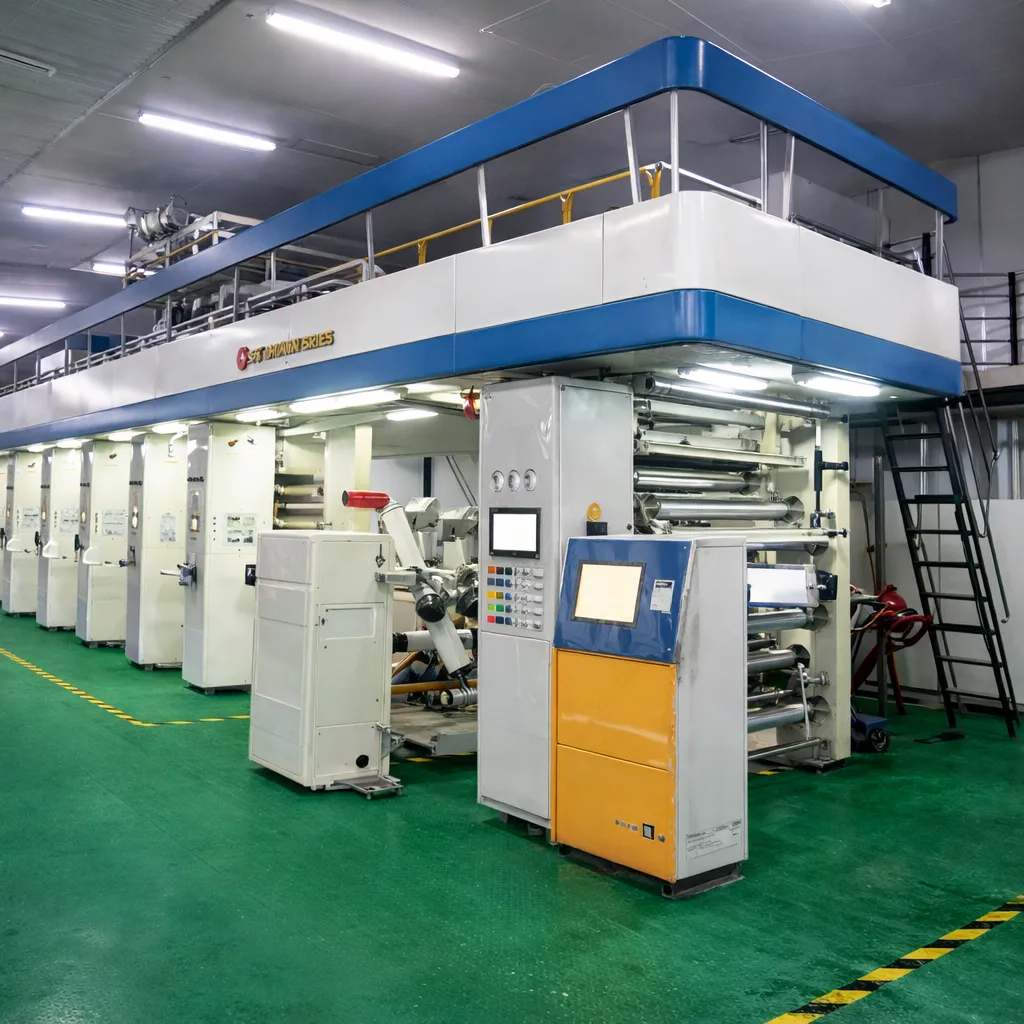
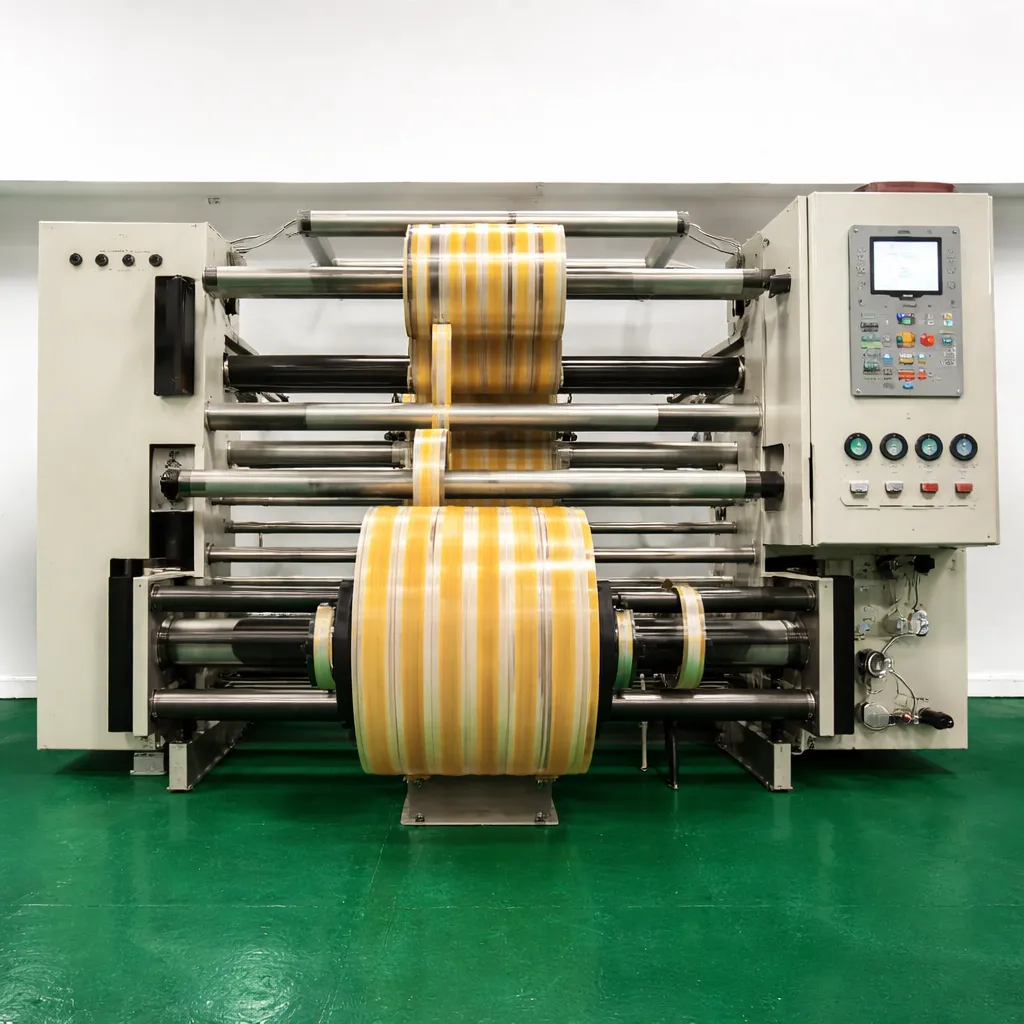
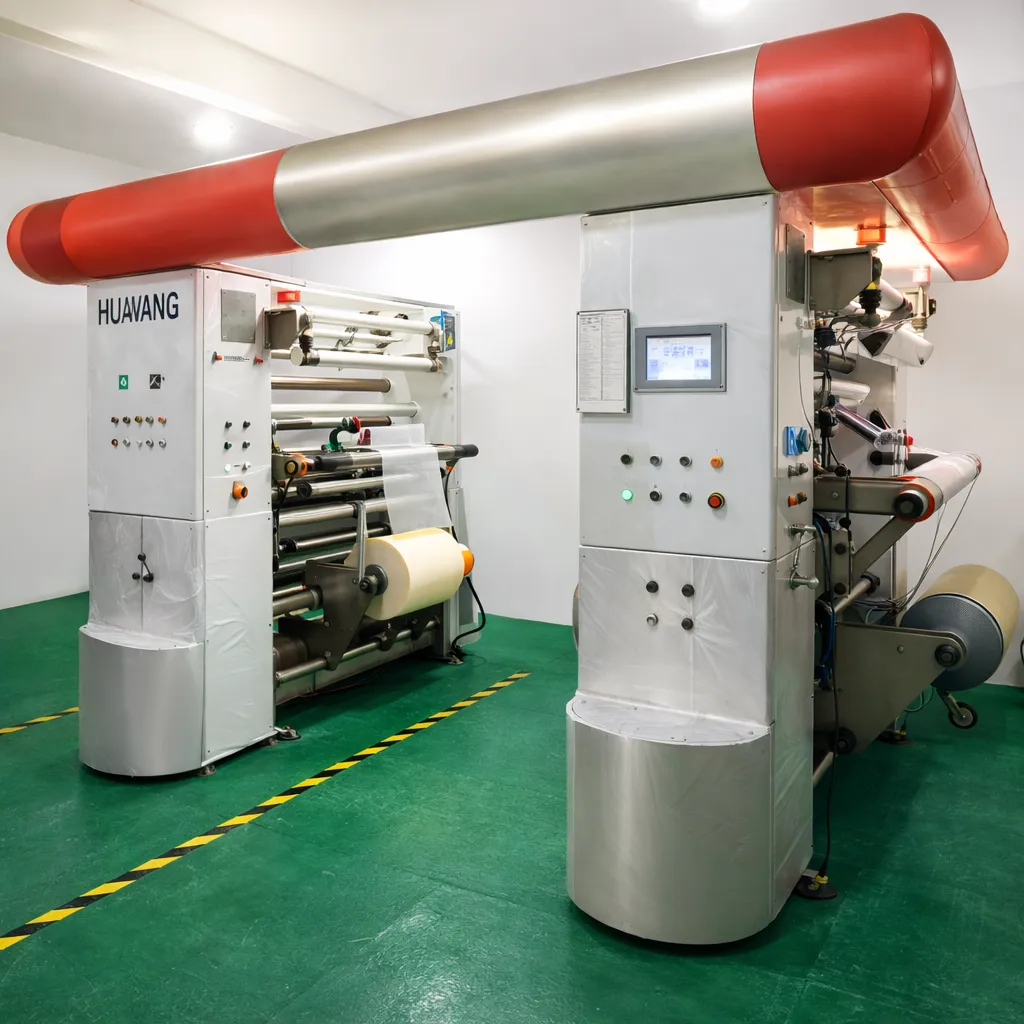
Printing runs on offset presses for larger volumes or digital presses for shorter runs, since digital skips the plate-setup cost that makes small offset jobs expensive. After printing, boxes get die-cut, folded, and glued, then either shipped flat for the brand's own assembly line or pre-assembled and packed ready to fill.
A packaging consultant with close to fifteen years in food and beverage production explained it this way: "The biggest cost overruns we see come from brands skipping a physical proof and catching a sizing problem after five thousand units are already printed. A ten-dollar sample saves thousands." Getting a pod-filled sample box in hand before the full run catches problems no screen proof will show.
Cost factors in coffee pod packaging
A handful of variables decide what a pod packaging run actually costs, and knowing them upfront keeps a budget realistic.
Order volume drives the biggest swing in price per unit, since setup costs for plates and die-cutting spread thinner across a bigger run. A 1,000-unit order might run 90 cents per box, while 20,000 units of the same design can land under 15 cents each. Material choice adds or subtracts cost fast too, with compostable coated stock running 30 to 60 percent above standard foil-lined board. Finish details like spot varnish, embossing, or a foil logo typically add 5 to 12 percent over a base print job, and rush production carries a 10 to 20 percent premium over a standard four-to-six-week lead time.
According to a 2022 Smithers packaging industry report, demand for sustainable coffee packaging formats grew faster than the broader packaging market over the prior three years, which has pushed compostable coffee pod packaging prices down as more suppliers entered that segment. Costs that looked steep two years ago sit closer to standard pricing today.
How do you choose a coffee pod packaging provider?
Picking a provider comes down to a short list of concrete checks rather than a gut feeling about who seems reliable.
Ask for food-grade material certifications, since pod packaging sits in direct contact with roasted coffee and needs to meet food-contact safety standards under FDA or equivalent regulations. Compare minimum order quantities against actual production volume, because a supplier built for 50,000-unit runs will price a 500-unit order at a steep premium. Get lead times confirmed in writing and ask what recourse exists if a run misses its date.
What separates a specialist from a general print shop? A provider who works specifically in coffee and beverage packaging, like Packagly, will already carry pod-tight die-line templates and barrier-material sourcing relationships, rather than treating a pod box order the way they'd treat a shipping carton. That familiarity shows up in fewer proofing rounds and fewer sizing surprises on the first run. A written quote that breaks material, print, and finishing costs into separate line items also makes it far easier to compare two providers fairly, instead of comparing two vague lump sums.
Frequently Asked Questions
What is coffee pod packaging made from?
Most coffee pod packaging uses foil-lined paperboard, compostable coated kraft, or rigid coated board, chosen based on barrier performance, cost, and how the brand positions its sustainability claims.
How much does custom coffee pod packaging cost?
Pricing runs from roughly $70 to $400 per 100 units depending on material and finish, with larger production runs bringing the per-unit price down significantly.
What is the minimum order quantity for coffee pod packaging?
Minimums range from 250 to 500 units at smaller specialty suppliers up to 5,000 or more units for providers built around large offset print runs.
Does coffee pod packaging need FDA or food-safety certification?
Yes, any packaging material in direct contact with the coffee pod needs to meet food-contact safety regulations, and a supplier should provide certification documents on request.
How long does a coffee pod packaging production run take?
Standard turnaround runs four to six weeks from an approved proof to delivery, with rush production available at an added cost.
Is compostable coffee pod packaging as durable as standard packaging?
Compostable coated stock offers a moderate barrier against oxygen and light, slightly below foil-lined board, so brands with longer shelf times often pair it with tighter inner seals.
Can coffee pod packaging include nutrition and allergen labeling?
Yes, labeling fields for nutrition panels, roast date, and allergen statements get built into the die-line during the design stage to meet regional food labeling rules.
What printing method suits small coffee pod packaging runs?
Digital printing works best under a few thousand units since it skips the plate costs that make short offset runs expensive per unit.
How many pods fit in a standard custom box?
Ten, twelve, and twenty-four count boxes are the most common formats, though a custom die-line can fit any pod count a brand specifies.
What regulations apply to coffee pod packaging claims like "compostable"?
Compostability claims fall under regional guidelines, such as the FTC Green Guides in the United States, which require packaging to break down under real-world composting conditions before using that label.
Why does light exposure matter for coffee pod packaging?
Light accelerates the breakdown of aromatic oils in roasted coffee, which is why most pod boxes use an opaque or foil-lined layer rather than a fully clear window.
What's the difference between rigid and standard coffee pod boxes?
Rigid boxes use thicker board for a sturdier, premium feel suited to gift sets, while standard foil-lined paperboard costs less and suits everyday retail lines.
Getting your packaging right
Coffee pod packaging comes down to matching the barrier material, box structure, and finish to how a brand actually sells its coffee, whether that's a supermarket shelf, a subscription box, or a farmers' market table. A written quote broken into material, print, and finishing costs makes comparing suppliers straightforward once you know your pod count and target volume. If you're weighing materials or want a sample before committing to a full production run, reach out to Packagly for a quote on your pod line