

Single-serve coffee sells on the shelf before anyone tastes a drop, and the box holding those capsules carries most of that weight. Packagly sees this constantly with roasters moving from bulk bags into pod formats: the coffee inside barely changes, but the packaging decision becomes far more complex. Custom coffee packaging for capsules has to protect ten or twelve individually sealed pods, survive shipping, and still look premium enough to justify the price per cup. This guide breaks down box styles, materials, production steps, and cost drivers so a growing capsule brand can order with confidence instead of guessing.
Why Coffee Capsule Boxes Need Different Custom Coffee Packaging Than Bagged Beans
A bag of whole beans only has to hold one product. A capsule box holds ten, twelve, or more individually sealed pods, and each one needs to stay upright, separated, and protected from crushing during transit. That structural demand changes what "good" custom coffee packaging actually means for this category.
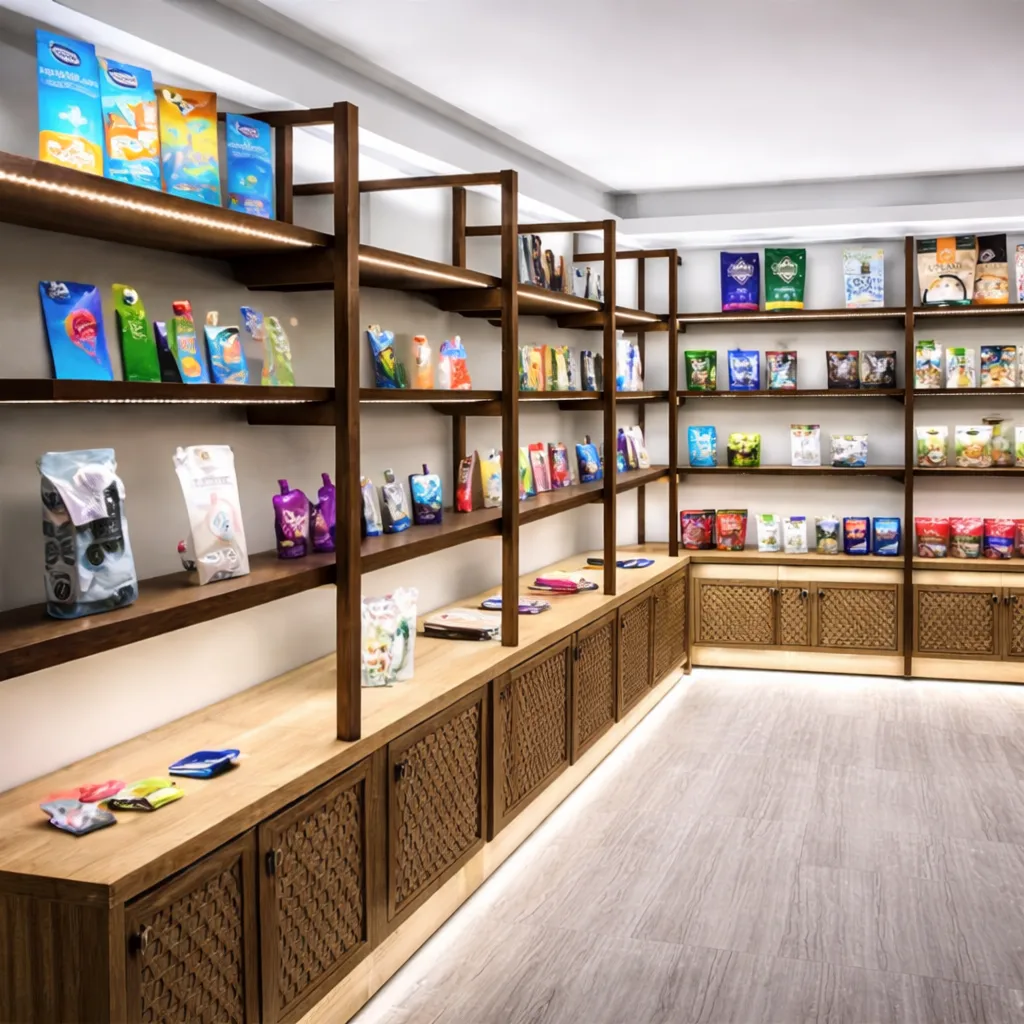
Retail shelf space adds pressure too. Capsule boxes sit next to five or six competing brands at eye level, so print quality and structural rigidity do real work here. A flimsy box that dents in shipping tells the customer something about the coffee before they open it, and that impression is hard to undo.
The category is also growing fast. The global coffee pods and capsules market reached roughly $27.8 billion in 2023 and is projected to climb toward $50.8 billion by 2032, and more than 40 percent of US households already owned a pod machine as of 2020. That growth means more brands entering the space, which makes distinctive packaging a bigger factor in whether a new capsule line gets noticed at all.
Coffee Capsule Box Styles and Materials
Most coffee capsule boxes fall into a handful of structural styles, and each one fits a different retail context. Folding cartons are the standard: a paperboard box with a tuck-end or auto-lock bottom, printed in full color, that holds a fixed count of capsules in a tray or divider insert. They print beautifully and cost the least per unit at volume.
Sleeve boxes slide a printed outer wrap over a plain inner tray, which keeps material costs down while still giving strong shelf graphics. Rigid boxes sit at the premium end: thicker board, a magnetic or ribbon closure, and a weight in the hand that signals a gift-tier or limited-edition product. They cost more and suit smaller runs rather than everyday retail packs.
Window boxes cut a die-cut opening, often covered with clear film, so shoppers can see the capsules or the roast color before buying. This works well for brands leaning on visual differentiation, like colored capsule shells or a distinctive pod shape, though it does add a small production step compared to a fully printed carton.
|
Box Style |
Material Cost |
Shelf Impact |
Best For |
|
Folding carton with tray |
Low |
Good, standard retail look |
Everyday retail multipacks |
|
Sleeve box |
Low to moderate |
Strong graphics, simple build |
Brands wanting bold print at lower cost |
|
Rigid box |
High |
Premium, gift-tier feel |
Limited editions and gift sets |
|
Window box |
Moderate |
High, shows the product |
Capsule colors as a selling point |
Choosing between these comes down to how the box will actually be sold. A subscription brand shipping direct to a customer's door has different priorities than one competing for shelf space in a supermarket aisle, and the box should reflect that from the first design meeting.
How Custom Coffee Packaging for Capsules Gets Made
The production path for coffee capsule boxes runs through a few clear stages, and knowing them ahead of time keeps expectations realistic. It starts with structural design: choosing the carton style, the insert or tray that holds each capsule in place, and the exact dimensions for whatever machine loads the pods.
Artwork comes next. Die lines get built around the chosen structure, then branding, flavor callouts, and any required regulatory text go into the print file. A physical proof or digital mockup follows so colors, tray fit, and closure mechanism all get checked before a full run begins.
Printing usually runs on offset presses for larger volumes or digital presses for smaller test batches, followed by die-cutting, folding, and gluing into the finished carton shape. Quality checks confirm the tray holds capsules securely without excess movement, since loose pods rattling in transit damage both the box and the brand's reputation. Most suppliers quote one to two weeks for standard folding cartons, with rigid box styles often running longer due to the extra assembly steps.
What Affects the Cost of Coffee Capsule Boxes
Cost breaks down along a few predictable lines once you know what to look for. Board weight and coating matter first: a standard 300gsm folding carton with a matte or gloss finish costs less than a rigid box built on 1.5mm or 2mm chipboard with a fabric or textured wrap.
Capsule count changes the box size and insert complexity, and a ten-pod tray costs less to tool and produce than a twenty-pod tray with individual dividers. Print complexity adds its own line item — spot color designs run cheaper than full four-color process artwork with foiling or embossing, features that many premium capsule brands still choose because they justify a higher price point on shelf.
Order volume drives the biggest swing in unit price. A run of five hundred boxes costs noticeably more per unit than five thousand, which is why brands testing a new flavor often start with a sleeve box or simple folding carton rather than committing to a rigid box design before demand is proven.
Choosing a Supplier for Coffee Capsule Boxes
Picking a packaging partner for capsule boxes comes down to structural know-how more than price alone. Can they confirm the tray insert holds your specific capsule size without shifting? That question separates a supplier who understands capsule packaging from one who mainly prints flat cartons.
Ask about minimum order quantities too, since a thousand-unit minimum makes little sense for a brand testing one new flavor. Turnaround time matters just as much for capsule brands running seasonal or limited releases, where a missed launch date costs more than a few extra dollars per box.
A supplier who works specifically with food packaging categories, the kind of specialization companies like Packagly bring to coffee and capsule cartons, has already solved tray-fit problems and closure issues that a general commercial printer might still be working through on a first order. That difference shows up in fewer damaged shipments and fewer reprints down the line.
Regulatory awareness rounds out the checklist. Packaging materials that contact food, including the inner tray or liner in a capsule box, fall under food-contact safety rules such as FDA regulations in the United States, and a supplier should confirm compliance without hesitation when asked.
Frequently Asked Questions
What are coffee capsule boxes made from?
Most coffee capsule boxes use paperboard folding cartons, often 300gsm or heavier, sometimes paired with a plastic or molded pulp tray insert that holds each capsule in place during shipping and on shelf.
How much do custom coffee capsule boxes cost?
Cost depends on board weight, capsule count, print complexity, and order volume, with standard folding cartons at moderate volume typically costing less per unit than rigid or window box styles.
How many capsules fit in a standard coffee capsule box?
Ten and twelve-pod counts are the most common retail formats, though boxes can be sized for anywhere from single-serve trial packs up to twenty or more capsules for bulk or subscription orders.
Are coffee capsule boxes recyclable?
Paperboard cartons are typically recyclable through standard paper recycling streams, though any plastic tray insert or window film needs checking against local recycling guidance since mixed materials sometimes require separation.
What's the difference between a folding carton and a rigid box for capsules?
A folding carton ships flat and forms into shape during packing, costing less per unit, while a rigid box arrives pre-formed with thicker board and a premium feel, suited to gift sets rather than everyday retail runs.
How long does coffee stay fresh in a sealed capsule?
Sealed capsule systems with an airtight barrier can preserve freshness for up to roughly 40 weeks of storage, according to research published by the Association for Science and Information on Coffee, far longer than open bags of ground coffee.
Do coffee capsule boxes need special regulatory compliance?
Yes, any packaging material touching the capsules or the coffee itself must meet food-contact safety standards, such as FDA regulations in the United States, and suppliers should confirm this for trays, liners, and printed board alike.
Can I order a small batch of custom coffee capsule boxes?
Yes, many suppliers now offer low minimum order quantities specifically for capsule brands testing a new flavor or launching a limited run before committing to a larger production order.
What print finishes work best for coffee capsule boxes?
Matte and soft-touch finishes give a premium, tactile feel that suits capsule brands positioned at a higher price point, while gloss finishes tend to suit bold, high-contrast retail designs meant to stand out at a distance.
How do I know if a capsule box design will survive shipping?
A supplier should test the tray insert with your actual capsules to confirm they stay seated without shifting, since loose movement during transit is the most common cause of damaged boxes and customer complaints.
Do coffee capsule boxes need a window or clear film section?
Not always, but a die-cut window helps when capsule color or shape is part of the visual appeal, giving shoppers a reason to pick up the box even before reading the flavor description.
What's driving growth in the coffee capsule packaging market?
Rising demand for convenience, expanding premium coffee culture, and growing e-commerce coffee sales are pushing the global coffee capsule market toward tens of billions in value over the next several years, according to multiple market research reports.
A Practical Next Step
Getting coffee capsule boxes right comes down to matching the structure to how the box will actually travel and sell, whether that's a supermarket shelf or a subscription mailer. Start with capsule count and tray fit, then build the finish and closure style around your budget and order size. If you want a partner familiar with food-grade capsule packaging, Packagly can walk through tray options and box styles suited to your capsule count and launch timeline