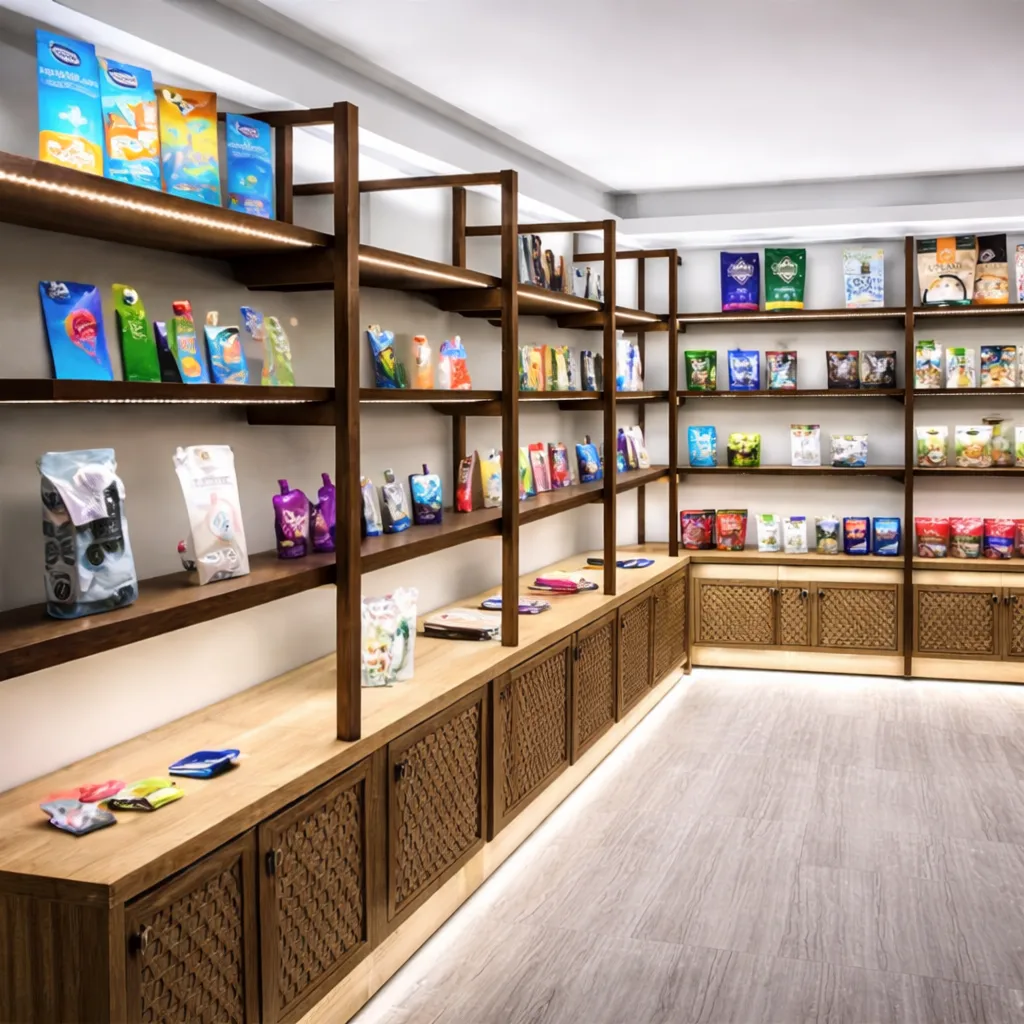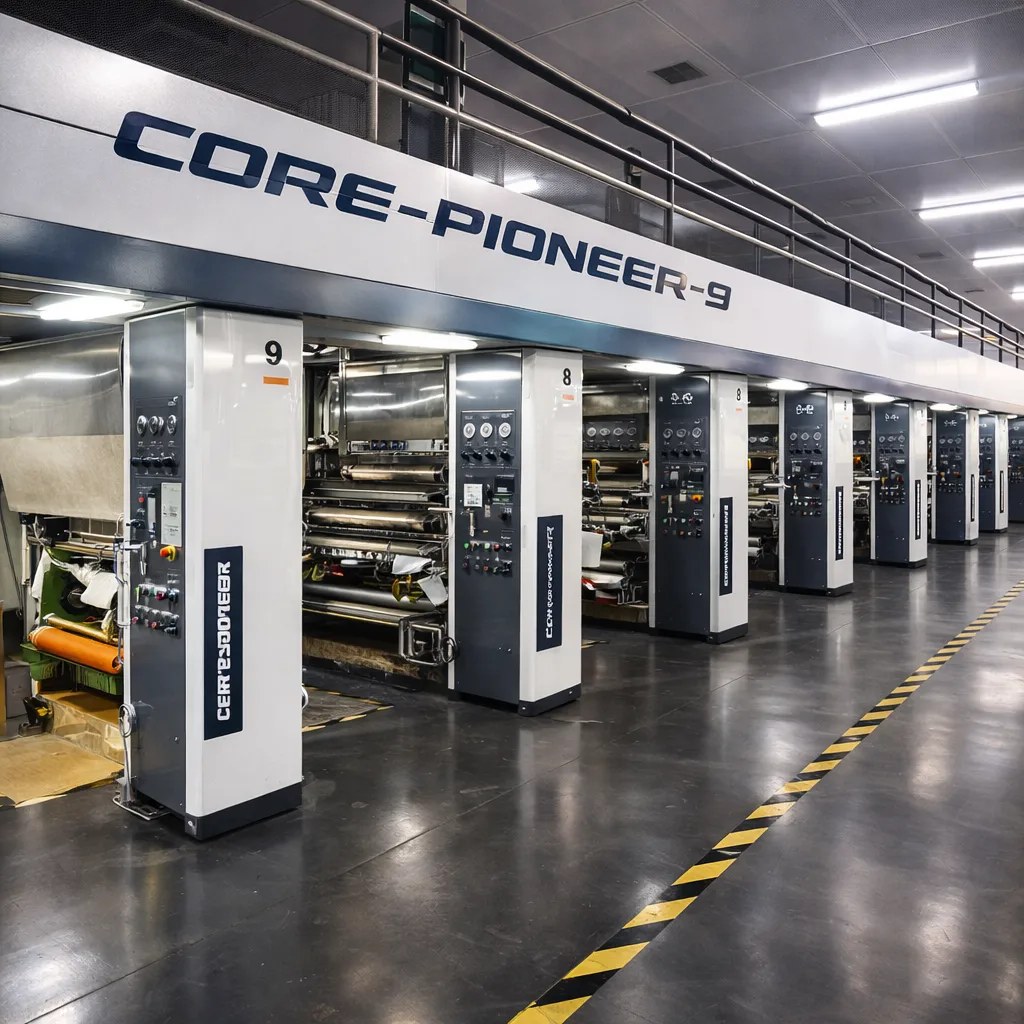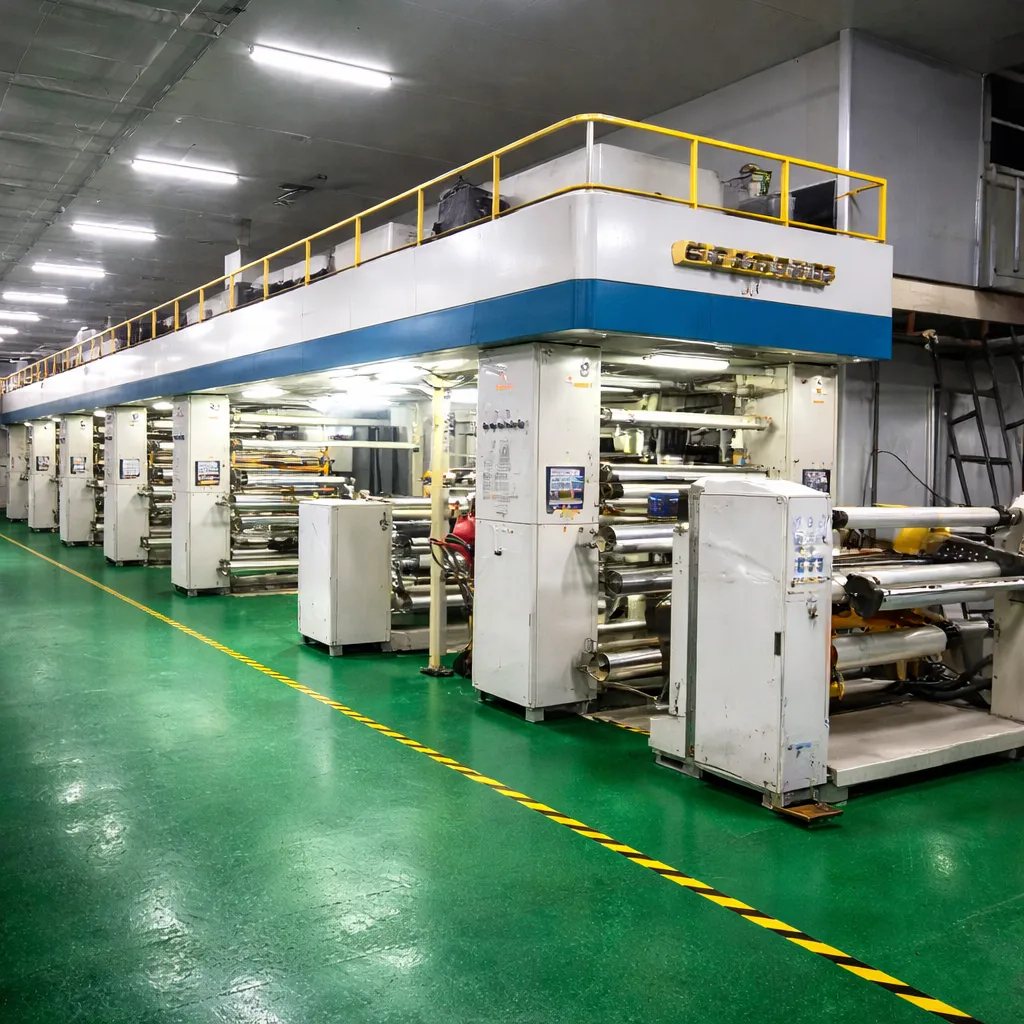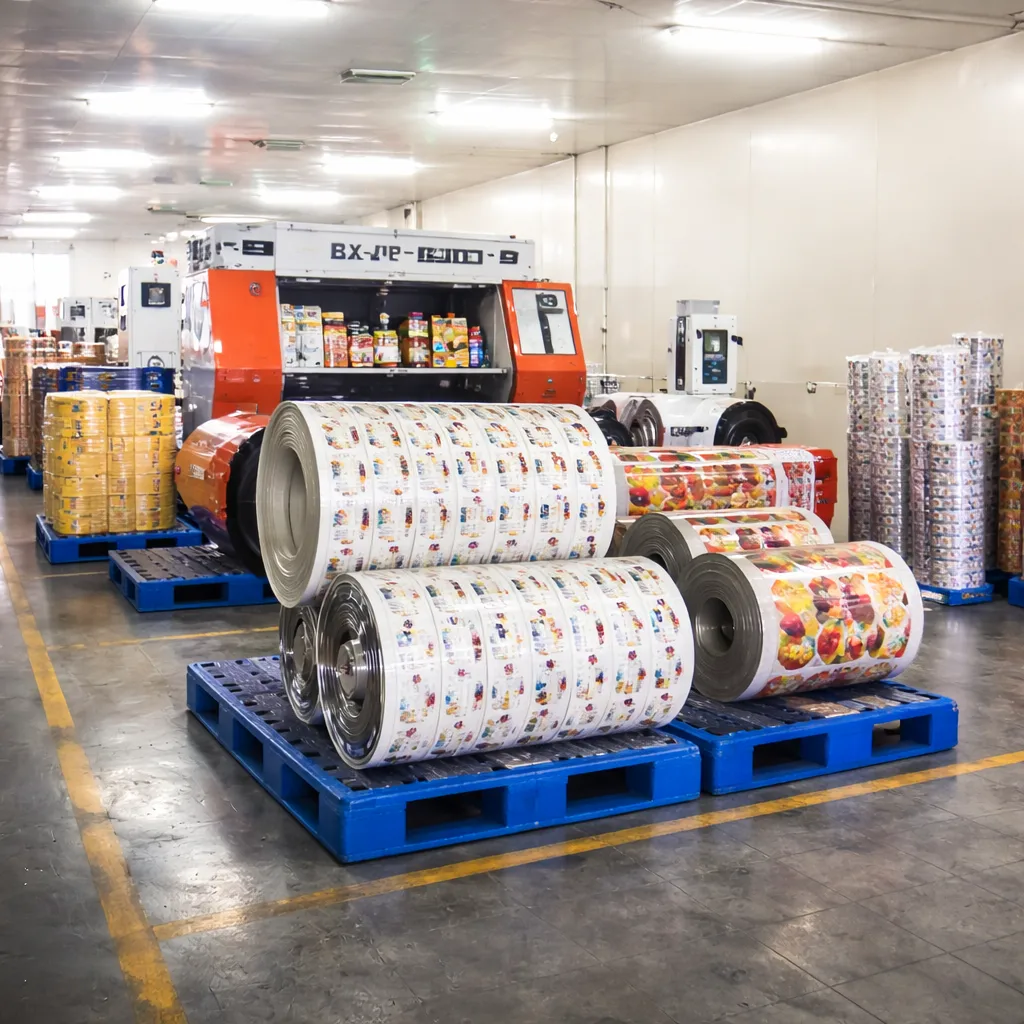


Packagly works with brands across the country that need packaging kids cannot open on the first try. Child proof mylar bags sit at the center of that job, and buyers ask the same question every week: does this pouch actually stop a curious toddler, or does it just look like it does? The answer depends on the closure, the film, and the testing behind it. This guide walks through what makes a bag genuinely child-resistant, what it costs, and how to pick a supplier who gets the details right the first time.
Who actually needs this kind of packaging? Cannabis and hemp brands top the list, since most states require it by law. Pharmacies, supplement makers, and even pet medication companies use the same technology for a simpler reason: a home with small kids is not a controlled environment, and a pouch full of pills or edibles left on a counter is a real risk.
Why families and brands choose child-resistant mylar packaging
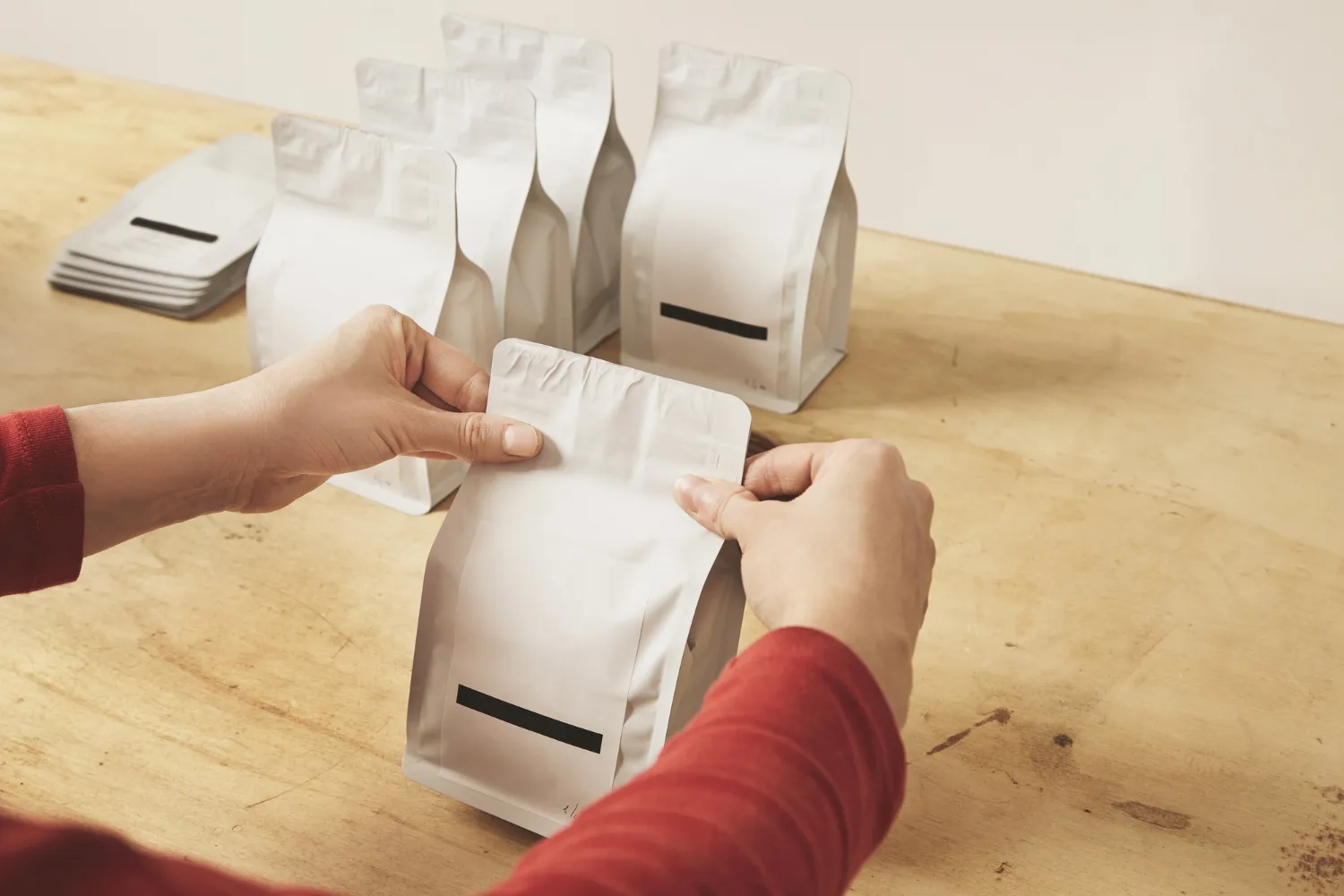
A child proof mylar bag is a flexible pouch built from a multi-layer barrier film with a closure system that is deliberately hard for a young child to work out. The film itself blocks light, oxygen, and moisture, so the product inside stays fresh. The closure is the part that actually earns the "child-resistant" label, and it usually takes a combined action, such as a push-and-slide zipper or a pinch-and-pull mechanism that an adult can manage in seconds but a five-year-old cannot.
Isn't that just a fancy zip-lock bag with a warning printed on it? Not if it is done correctly. A standard zip-lock closure fails child-resistant testing almost every time, because it only asks for a single motion. Federal testing under 16 CFR 1700 requires the package to defeat most young test subjects using a defined protocol, so the closure has to demand a sequence a toddler has not learned yet.
Brands selling cannabis, hemp edibles, or CBD products choose this format because it solves two problems at once. It keeps the product fresh in a lightweight, low-cost pouch, and it satisfies a legal requirement that most states will not waive. Pharmacies and supplement companies pick the same bags for a plainer reason: a house with young kids is unpredictable, and packaging is the last line of defense before a bottle of pills gets opened by the wrong person.
Materials and closure types compared
Not every mylar bag on the market is built the same way, and the closure mechanism matters more than the film thickness in most cases. Here is how the common options stack up.
|
Closure Type |
Typical Cost per Unit |
Child-Resistant Rating |
Best For |
Reseal Strength |
|
Standard zip-lock |
$0.03–$0.06 |
Not certified |
Non-regulated snack or retail packaging |
Weak after repeated use |
|
Push-and-slide CR zipper |
$0.08–$0.14 |
CPSC-certified |
Edibles, flower, hemp gummies |
Strong, holds up over dozens of openings |
|
Pinch-and-pull CR zipper |
$0.09–$0.15 |
CPSC-certified |
Concentrates, pre-measured doses |
Strong |
|
Double-track CR zipper |
$0.10–$0.17 |
CPSC-certified, senior-friendly rated |
High-volume dispensary flower |
Very strong |
|
Heat-seal plus CR zip combo |
$0.12–$0.19 |
CPSC-certified |
Exit bags, secondary packaging |
Very strong |
Prices shift with order volume, printing complexity, and film thickness, so treat this table as a starting point rather than a quote.
How a mylar bag becomes certified child-resistant
Getting the "child-resistant" label onto a package is not a marketing decision. It is a testing process, and skipping steps in it can shut down a product launch in a regulated state.
The manufacturer builds a sample batch using the exact film, closure, and seal method planned for production. A certified lab then runs the federal test protocol, which uses two panels: young children between 42 and 51 months old, and adults between 50 and 70 years old. According to the CPSC test methodology under 16 CFR 1700.20, the package must stop a large share of the child panel from opening it within a set time window, while the adult panel must still be able to open and reclose it without excessive difficulty.
Once a design passes, the lab issues a certification report that ties the result to that specific combination of film, zipper, and seal. Change any one of those three elements later, and the certification no longer applies. A brand that swaps to a thinner film to cut cost, for example, has to retest before selling that new version in a state with cannabis packaging rules.
State rules add a second layer on top of the federal standard. California requires cannabis products to leave the store in an opaque, child-resistant exit bag at the point of sale, on top of whatever primary packaging the product already uses. Newer state programs in places like Minnesota and New Jersey have started requiring the updated ASTM D3475-2024 classification alongside CPSC senior-friendly testing, so a bag that cleared the standard a few years back might need a fresh look before it ships into those markets.
A licensed cannabis packaging compliance consultant we spoke with put it simply: brands lose more time from picking a pouch first and checking compliance later than from any other packaging mistake. Verifying the target state's rules before locking in a closure design saves a redesign down the road.
What drives the cost of child proof mylar bags
Three things move the price of these bags more than anything else: the closure mechanism, the print complexity, and the order volume.
Closure type sets the floor. A basic push-and-slide CR zipper adds a few cents over a standard zip-lock, while a double-track or heat-seal combo pushes the price higher because it needs more material and a more careful seal process. Full-color printing across the whole bag costs more than a single spot color on a clear or matte film, and smaller test runs under 1,000 units carry a per-unit premium that disappears once volume climbs past a few thousand.
Recent shifts in state testing standards have added a real cost consideration too. Industry pricing data from 2026 points to certified compliant packaging running two to nine cents more per unit than older CR formats, though brands that wait to upgrade often face bigger jumps later once a state phases out the older standard entirely.
Picture a small hemp edibles brand ordering its first 2,000-unit run. A push-and-slide CR pouch with two-color printing lands in the middle of the cost range, and the certification report from the film supplier covers the compliance side without extra lab fees. That same brand scaling to 20,000 units later sees the per-unit cost drop enough to fund upgraded printing without raising the retail price.
Choosing the right packaging partner
Not every packaging vendor treats child-resistant compliance the same way, and the gap between a good one and an average one shows up fast once a product ships. A supplier who focuses specifically on regulated packaging, Packagly among them, will already know which states require exit bags, which ones have moved to the newer ASTM classification, and which closure styles hold up under repeated retail handling. That kind of narrow focus tends to beat a general packaging vendor who treats every order the same regardless of the compliance rules attached to it.
Ask any potential supplier for the actual certification report tied to your exact film, zipper, and seal combination, not just a general claim that their bags are child-resistant. Ask how they handle a design change, since even a minor adjustment can trigger a retest requirement. A vendor who answers both questions without hesitation is usually one who has done this work before.
Small batch flexibility matters too, especially for a newer brand still testing which SKUs sell. A supplier locked into massive minimum orders forces a young brand to guess at demand months in advance, which rarely ends well.
If your product needs packaging that actually stops a curious kid and keeps a state regulator satisfied, reach out to Packagly for a sample kit and a rundown of what your specific state requires. There is no pressure to commit before you have seen the closure in person and checked it against your own product line.
Frequently Asked Questions
What makes a mylar bag legally child-resistant instead of just labeled that way?
A bag earns the label only after passing federal testing under 16 CFR 1700, where a certified lab checks that a defined share of a young child test panel cannot open the closure within a set time, while adult testers still can.
Do child proof mylar bags cost more than regular mylar pouches?
Yes. A certified CR closure typically adds several cents per unit over a standard zip-lock pouch, with the exact gap depending on the closure style, film thickness, and order volume.
Are child-resistant mylar bags required by law for cannabis products?
In most states, yes. Federal rules under the Poison Prevention Packaging Act apply to many product categories, and individual states layer on their own cannabis-specific packaging rules on top of that baseline.
Can a standard zip-lock mylar bag pass child-resistant testing?
Rarely. A single-motion zipper almost never meets the federal testing bar, since the protocol is built around closures that require a combined or sequenced action.
How often does child-resistant packaging need to be retested?
Retesting is tied to design changes rather than a fixed calendar. Any change to the film, closure, or seal method used in the certified design typically triggers a new round of testing.
What age groups are used in child-resistant packaging tests?
The federal protocol uses children between 42 and 51 months old and adults between 50 and 70 years old, checking that the package defeats most children while remaining usable for the adult panel.
Does California require anything beyond a child-resistant mylar bag at the point of sale?
Yes. California requires cannabis purchases to leave the store in an opaque, child-resistant exit bag, in addition to whatever child-resistant primary packaging the product already uses.
What is the difference between "child-resistant" and "childproof"?
Regulators use "child-resistant" rather than "childproof," since no package is completely impossible for every child to open. The standard measures how difficult a package is within a defined test, not absolute prevention.
How much do child proof mylar bags typically cost per unit?
Pricing usually runs from around eight cents to nineteen cents per unit depending on closure type, print complexity, and film specification, with larger orders bringing the per-unit price down.
Do child-resistant mylar bags hold up in humid or hot climates?
Quality multi-layer barrier film resists moisture and heat well enough for most US climates, though brands shipping to consistently humid regions should confirm the film's barrier rating with their supplier before a large production run.
Are newer ASTM standards replacing the older CPSC testing method?
Not entirely. Several states have started requiring packaging to meet ASTM D3475-2024 classification alongside CPSC senior-friendly testing, so brands selling in those states need both, not a replacement of one by the other.
Can small brands order child-resistant mylar bags in low quantities?
Many suppliers now offer lower minimum order quantities for CR mylar bags than they did a few years ago, which makes it easier for a newer brand to test a product line before committing to a large production run